Yogi Adityanath at Tech Sangam 2026: Collective fight against deepfakes, cyber fraud needed
Synopsis
At Tech Sangam 2026, Yogi Adityanath did more than warn about deepfakes — he laid out a vision of UP as India's forensic and AI frontier, backed by 150 forensic vans, labs across 18 police ranges, and a 5-gigawatt data centre target. His caution that 'AI must not become the ultimate decision-maker' cuts against the tide of uncritical tech adoption sweeping governance circles.
Key Takeaways
Yogi Adityanath addressed Tech Sangam 2026 at UPSIFS, Lucknow on 25 October 2026 , calling for collective action against deepfakes, cyber fraud, and identity theft.
He warned that over-reliance on AI could turn a tool of empowerment into a challenge, urging structured frameworks for AI use in governance and justice.
UP has deployed more than 150 forensic vans and is building forensic labs in all 18 police ranges — 12 completed , 6 in final stages.
A mafia operative convicted 42 years after his first offence in 1980 was cited as the human cost of poor forensic evidence management.
UP targets 5 gigawatts of data centre capacity by 2030 and aims to establish 5 major data centre clusters .
Adityanath inaugurated the LEXQ Centre of Excellence for quantum forensics and launched the Consent Management Portal and the 'Abhedya' project at the event.
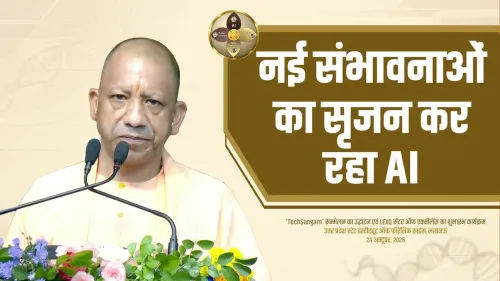
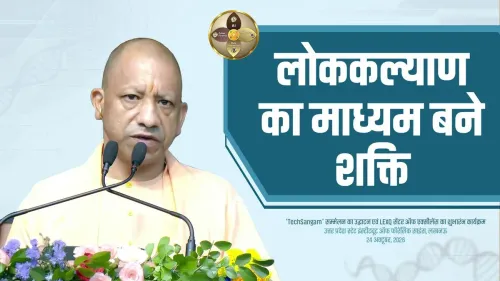
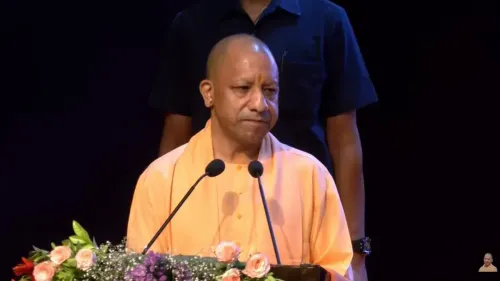
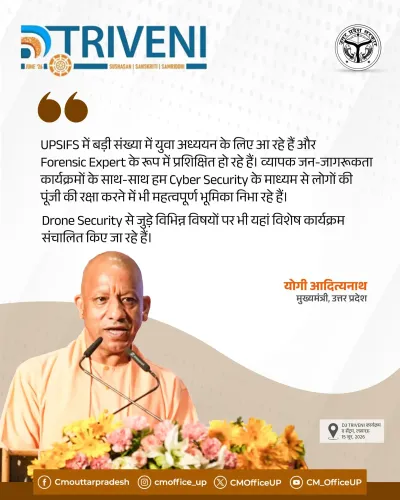
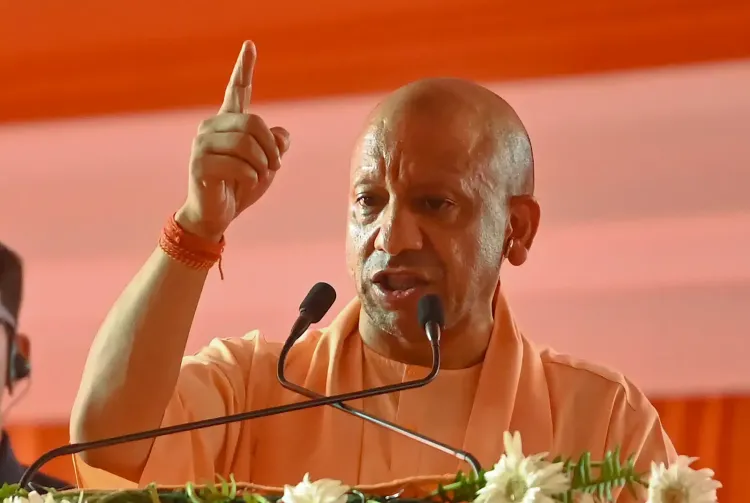
Uttar Pradesh Chief Minister Yogi Adityanath on Saturday, 25 October 2026, called for coordinated collective action to counter mounting cyber threats — including deepfakes, cyber fraud, and identity theft — while stressing the need to preserve the integrity of digital evidence. He was addressing the second day of Tech Sangam 2026, a three-day international conference hosted by the Uttar Pradesh State Institute of Forensic Science (UPSIFS) in Lucknow.
AI as a Tool, Not the Final Word
Chief Minister Adityanath struck a cautionary note on the expanding role of artificial intelligence in governance and justice delivery. 'We should not simply follow AI's reasoning or accept its decisions as the ultimate truth. If we become entirely dependent on AI for everything, the very power that helps us could also become a challenge,' he said.
While acknowledging that AI, digital technology, and emerging quantum computing capabilities have created significant new possibilities for problem-solving, the Chief Minister urged that these tools operate within a structured, accountable framework. He emphasised that the conference brings together perspectives on governance, the economy, national security, and the judicial system.
Forensic Infrastructure and Criminal Justice Reform
Adityanath highlighted that integrating scientific evidence and modern forensic investigation into criminal proceedings can substantially reduce delays in delivering justice. He cited the case of a mafia operative who committed his first offence in 1980 but was convicted only in 2022 — 42 years later — due to a lack of evidence and destroyed DNA samples. He described the case as a stark illustration of the cost of inadequate forensic systems.
Under new criminal laws, he noted, particular emphasis has been placed on collecting forensic evidence in offences carrying a punishment of more than seven years. To support this, forensic laboratories are being developed across all 18 police ranges of the state. Twelve laboratories have already been completed, with six in the final stages of development. The state has also deployed more than 150 forensic vans to enable rapid evidence collection and expedite investigations.
From Land Mafia to World-Class Forensic Institute
The Chief Minister recalled that the nearly 100-acre land on which the UPSIFS now stands was once occupied by a 'major land mafia figure' in Lucknow — a situation so entrenched that, according to Adityanath, even the police were unable to act effectively at the time. After an investigation was ordered in 2017 and two FIRs were registered, the accused surrendered and vacated the land. Today, he said, the institute built on that site is providing direction in scientific investigation, crime detection, and technical education across the state.
This narrative — from criminal occupation to a centre of forensic excellence — was presented by the Chief Minister as emblematic of Uttar Pradesh's broader law-and-order transformation under his administration.
UP as an AI and Data Centre Hub
Adityanath also outlined Uttar Pradesh's technology ambitions, noting that the state has set a target of developing five gigawatts of data centre capacity by 2030 and is working to establish five major data centre clusters. He recalled that Prime Minister Narendra Modi had described data as the 'new oil', and asserted that Uttar Pradesh is positioning itself as a leading hub for AI and data infrastructure.
He further noted that the state now accounts for approximately 60 per cent of India's total expressway network and has five international airports and 17 domestic airports, citing improved infrastructure as a driver of economic growth.
Key Launches at the Event
During the conference, Adityanath inaugurated the LEXQ Centre of Excellence, dedicated to quantum forensics and legal compliance. He also launched a Consent Management Portal, laid the foundation stone for the 'Abhedya' project, and unveiled the book 'AI in Construction'. These launches signal the state government's intent to embed emerging technologies — quantum computing, AI, and data governance — into both law enforcement and administrative infrastructure.
With Tech Sangam 2026 continuing through its final day, the conference is expected to produce a set of recommendations on national cyber-forensic standards and AI governance frameworks that could inform policy beyond Uttar Pradesh's borders.
Point of View
From a land-mafia reclamation to a quantum computing centre. His warning against AI dependency is notable coming from a government that has aggressively embraced surveillance technology; the tension between that embrace and the caution he now articulates remains unresolved. The 42-year conviction anecdote is a powerful argument for forensic investment, but it also implicitly indicts the very state institutions he leads. Whether the 150 forensic vans and 18-range lab network translate into faster justice — or remain headline infrastructure — is the accountability question his administration has not yet answered.
NationPress
24 Oct 2026
Frequently Asked Questions
What is Tech Sangam 2026?
Tech Sangam 2026 is a three-day international conference on technology, forensic science, AI, and quantum computing hosted by the Uttar Pradesh State Institute of Forensic Science (UPSIFS) in Lucknow. It brings together experts to discuss how modern technology can strengthen governance, national security, criminal investigation, and the judicial system.
What did Yogi Adityanath say about AI at Tech Sangam?
Adityanath cautioned that AI should not become the 'ultimate decision-maker' in governance or justice, warning that complete dependence on AI could turn a powerful tool into a challenge. He called for AI to operate within a structured, accountable framework rather than being adopted uncritically.
What forensic infrastructure has Uttar Pradesh built?
UP has deployed more than 150 forensic vans for rapid evidence collection and is developing forensic laboratories across all 18 police ranges in the state. Twelve labs are already operational, with six in the final stages of completion, as mandated under new criminal laws that require forensic evidence in cases carrying sentences of over seven years.
What is the LEXQ Centre of Excellence inaugurated at Tech Sangam?
The LEXQ Centre of Excellence is a facility dedicated to quantum forensics and legal compliance, inaugurated by Chief Minister Adityanath at Tech Sangam 2026. It forms part of UP's broader push to integrate quantum computing capabilities into forensic science and law enforcement.
What is Uttar Pradesh's data centre target?
Uttar Pradesh has set a target of developing five gigawatts of data centre capacity by 2030 and is working to establish five major data centre clusters. The Chief Minister cited this alongside the state's expressway network — approximately 60 per cent of India's total — and its five international airports as evidence of UP's emergence as a leading economic and technology hub.