CM Yogi: Metro runs in 7 UP cities, 700+ e-buses in 17 corporations
Synopsis
Chief Minister Yogi Adityanath's office announced on 12 June 2026 that metro services are running in seven Uttar Pradesh cities and more than 700 electric buses are operating across 17 municipal corporations, marking a significant milestone in the state's urban mass-transit expansion.
Key Takeaways
Metro services are operational in 7 cities across Uttar Pradesh as of 12 June 2026 .
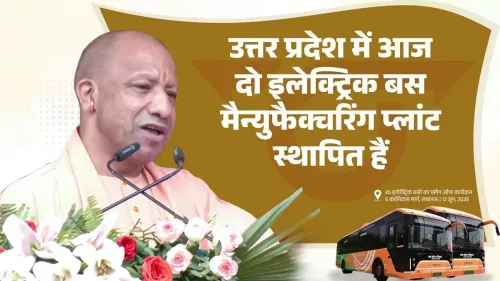
More than 700 electric buses are running across 17 municipal corporations in the state.
Lucknow Metro Phase-1 , launched in 2017 , was the first metro to operate in Uttar Pradesh.
UP's Electric Vehicle Policy (2019) and the central FAME-II scheme underpin the electric-bus rollout.
Cities including Kanpur and Agra received metro approvals between 2019 and 2022 , expanding the network beyond Lucknow.
The expansion supports India's national goals for cleaner urban mobility and reduced vehicular emissions.
The Chief Minister's Office of Uttar Pradesh, citing Chief Minister Yogi Adityanath, announced on Friday, 12 June 2026 that metro services are now operational in seven cities across the state and that more than 700 electric buses are running across 17 municipal corporations today.
Context
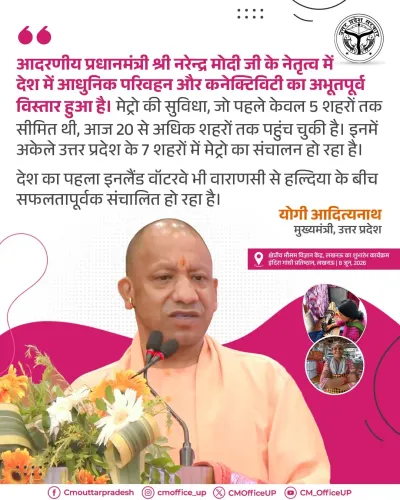
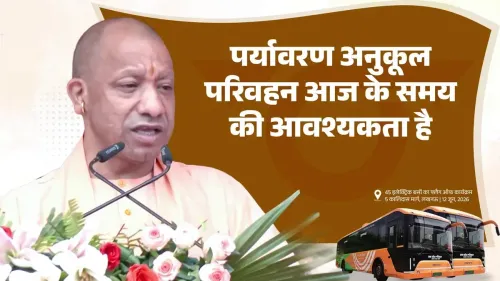
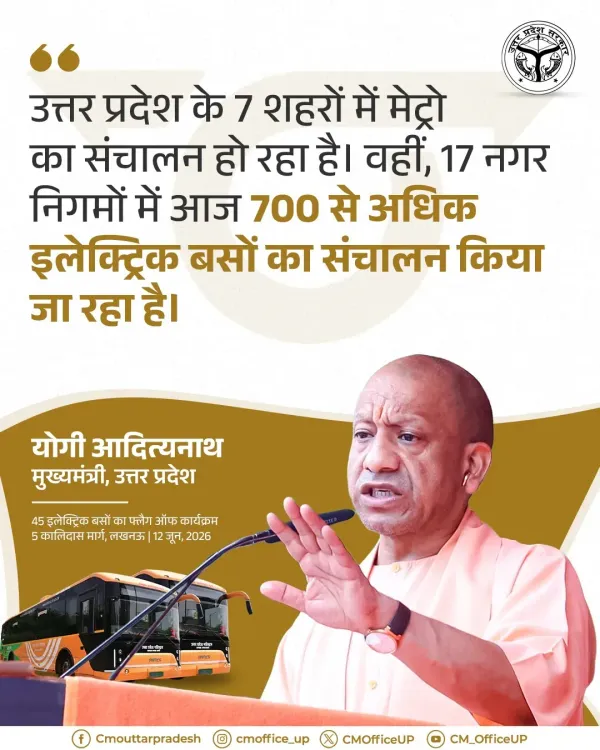
The post, shared from the official CMO account, quotes Chief Minister Adityanath directly: 'उत्तर प्रदेश के 7 शहरों में मेट्रो का संचालन हो रहा है। वहीं, 17 नगर निगमों में आज 700 से अधिक इलेक्ट्रिक बसों का संचालन किया जा रहा है।' ('Metro is operating in 7 cities of Uttar Pradesh. At the same time, more than 700 electric buses are being operated today in 17 municipal corporations.')
The statement positions Uttar Pradesh as one of the most expansive mass-transit markets among Indian states, highlighting simultaneous progress on both rail-based and road-based electric mobility within a single announcement.
Policy Backdrop
Lucknow Metro Phase-1, inaugurated in 2017, was the first metro project to become operational in Uttar Pradesh, setting the template for subsequent expansions. Cities including Kanpur and Agra received in-principle approvals from the central government for metro projects between 2019 and 2022, progressively enlarging the network.
On the electric-bus front, Uttar Pradesh notified its Electric Vehicle Policy in 2019, creating a framework for accelerated fleet deployment. The central government's FAME-II scheme has provided financial support for electric-bus procurement in cities across India, and UP's municipal corporations have drawn on this support to build out their fleets.
The twin push — metro rail and electric buses — reflects a broader national strategy under programmes such as AMRUT and FAME to shift urban commuters away from private vehicles and reduce both congestion and vehicular emissions in rapidly growing cities.
Stakeholders and Impact
Urban commuters across Uttar Pradesh's largest cities stand to benefit most directly. Metro connectivity reduces dependence on overloaded road networks, while electric buses offer a lower-emission, lower-cost alternative for inter-locality travel within municipal limits.
The 17 municipal corporations operating electric buses span a wide geographic footprint, meaning the fleet is not concentrated in a handful of large metros but distributed across the state's urban hierarchy. This breadth is significant for smaller cities that previously had limited access to organised public transit.
Environmental stakeholders and urban planners note that scaling electric fleets directly supports India's national targets for cleaner urban mobility and reduced oil imports — objectives that align with commitments made under international climate frameworks.
What's Next
Observers will watch for further metro corridor inaugurations in additional Uttar Pradesh cities and periodic state disclosures on fleet additions under the EV policy. The Uttar Pradesh Metro Rail Corporation is expected to provide updated ridership and network-expansion timelines as new corridors approach completion.
With the state government signalling these milestones publicly, the announcements are likely to feed into the broader political and policy narrative around urban development ahead of future electoral cycles in Uttar Pradesh.
Point of View
Signalling that the Yogi administration wants urban infrastructure to be read as a coherent, statewide programme rather than a series of isolated projects. Highlighting 17 municipal corporations, not just the largest cities, is a deliberate political choice that broadens the narrative's geographic appeal ahead of future electoral cycles. The emphasis on electric buses also lets the state government align itself with the Centre's clean-mobility agenda, reinforcing a cooperative federalism optic that has been central to UP's infrastructure story since 2017. Together, the figures frame Uttar Pradesh as a pace-setter among large Indian states on urban mass transit — a positioning the administration has consistently cultivated.
NationPress
29 Jul 2026
Frequently Asked Questions
In which cities is metro rail operational in Uttar Pradesh?
As of June 2026, the Chief Minister's Office states that metro services are running in seven cities in Uttar Pradesh. Lucknow was the first, with its Phase-1 inaugurated in 2017, and cities including Kanpur and Agra have since received approvals and seen services added.
How many electric buses are running in Uttar Pradesh in 2026?
More than 700 electric buses are currently operating across 17 municipal corporations in Uttar Pradesh, according to a statement from Chief Minister Yogi Adityanath shared on 12 June 2026.
What is the FAME-II scheme and how does it relate to UP's electric buses?
FAME-II is a central government programme that provides financial support for the procurement and operation of electric buses in Indian cities. Uttar Pradesh's municipal corporations have drawn on FAME-II support to build out their electric-bus fleets alongside the state's own Electric Vehicle Policy of 2019.
Who oversees metro projects in Uttar Pradesh?
The Uttar Pradesh Metro Rail Corporation is the state agency responsible for developing and operating metro systems across multiple UP cities, working in coordination with the central government and municipal bodies.
What is Uttar Pradesh's Electric Vehicle Policy?
Uttar Pradesh notified its Electric Vehicle Policy in 2019 to accelerate the deployment of electric buses and related charging infrastructure across the state, providing the regulatory and financial framework for the current fleet expansion.