African leaders hail India's economic growth under PM Modi at BRICS 2026 summit
Synopsis
At the 18th BRICS summit in New Delhi, Nigerian and Ethiopian business leaders publicly backed India's economic trajectory under PM Modi, predicting the Viksit Bharat 2047 vision could be met early. Their remarks signal growing African confidence in India's economic model — and in BRICS as a platform for South-South engagement under Indian chairmanship.
Key Takeaways
African business leaders at the BRICS 2026 summit praised PM Modi's economic leadership and India's growth trajectory.
Idehai Frederick (DICAN, Nigeria) called India the second-largest employer of Nigerian workers after the Nigerian government.
Daniel Tiruneh (ABN, Ethiopia) said PM Modi's recent Ethiopia visit gave fresh momentum to bilateral ties.
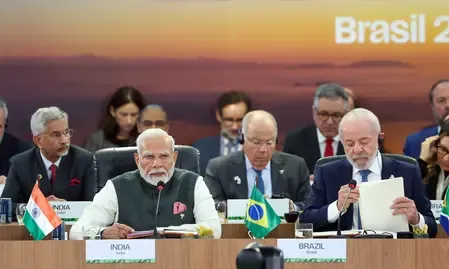
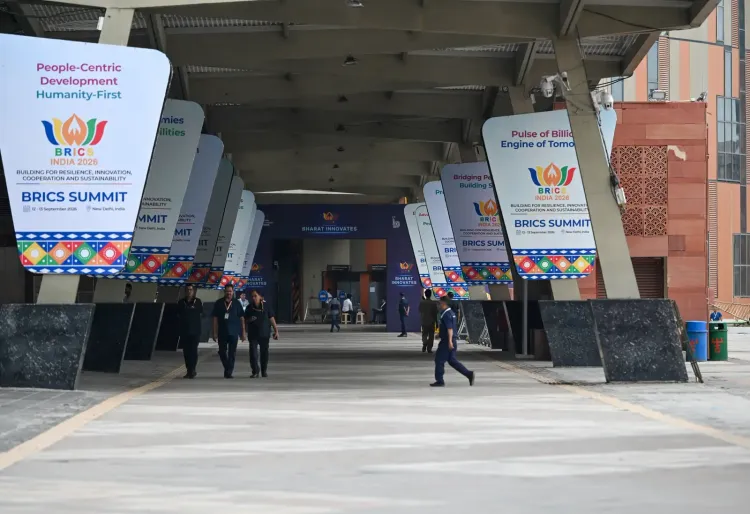
India is hosting the 18th BRICS summit in New Delhi with 11 member and 10 partner countries represented.
Around 15,000 police and 200 paramilitary companies have been deployed for summit security.
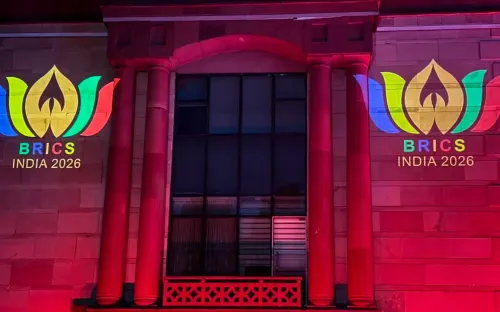
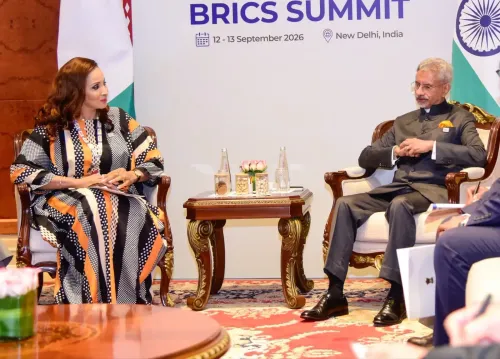
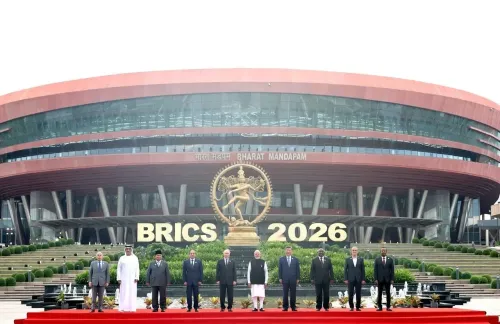
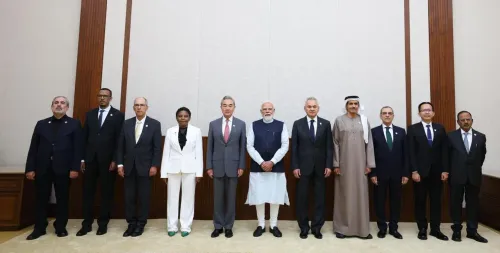
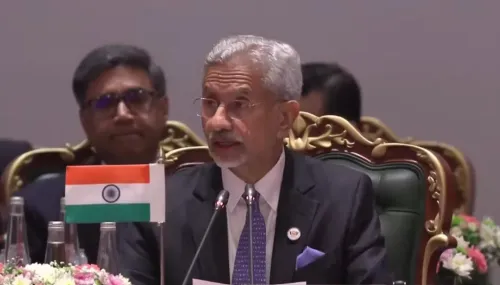
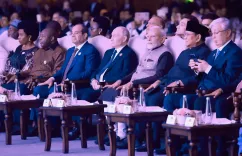
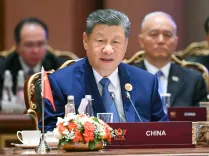
African business leaders attending the 18th BRICS summit in New Delhi on Saturday, 12 September 2026 praised India's economic growth under Prime Minister Narendra Modi's leadership, expressing confidence that the country could achieve its 'Viksit Bharat 2047' vision ahead of schedule. The remarks came on the sidelines of the multilateral gathering, which has drawn heads of state and delegates from 11 member countries and 10 partner nations to the Indian capital.
Nigeria highlights India as major employer
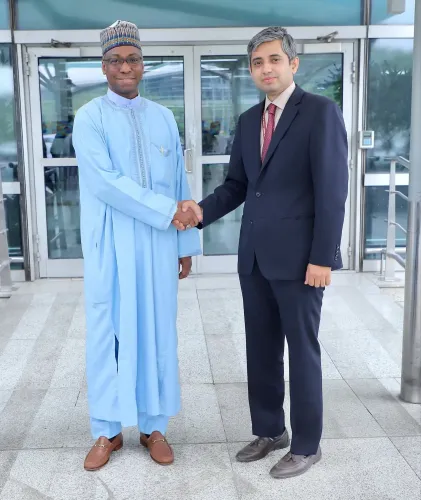
Idehai Frederick, Chairman of the Diplomatic Correspondents Association of Nigeria (DICAN), said that India and Nigeria have enjoyed friendly relations for decades, underpinned by significant economic and trade ties. 'India is the second-largest employer of workers after our government,' Frederick said, adding that he expected bilateral trade and economic cooperation to deepen further.
Frederick praised PM Modi's broad developmental vision, saying, 'I believe India will achieve the vision of Viksit Bharat 2047 ahead of the target.' He noted that the impact of Modi's leadership was visible across India's domestic policies, global partnerships, and its stewardship of the BRICS grouping.
Ethiopia sees fresh momentum in ties
Daniel Tiruneh, Founder and Managing Director of Abyssinia Business Network (ABN), highlighted longstanding relations between India and Ethiopia spanning trade, investment, innovation, and education. Tiruneh noted that PM Modi had visited Ethiopia a few months prior, a trip that reportedly injected fresh momentum into bilateral engagement.
'The impact is also visible in BRICS, which is an important platform for Ethiopia,' Tiruneh said, underscoring the grouping's significance for newer member states seeking a voice in multilateral economic governance.
BRICS 2026 summit context
India is hosting the 2026 BRICS summit at a time when the expanded bloc — which now includes countries such as Ethiopia, Egypt, and the UAE alongside founding members — is seeking to position itself as a counterweight in global economic and diplomatic forums. The summit agenda reportedly covers trade facilitation, technology cooperation, and financial architecture reform.
This is notably India's first time chairing the expanded BRICS, a role that carries both symbolic and strategic weight as New Delhi pushes its 'Global South' leadership credentials.
Tight security across New Delhi
Security arrangements have been significantly scaled up across the capital ahead of the summit. According to reports, around 15,000 police personnel and 200 companies of paramilitary forces have been deployed for security duties. Key arterial roads and diplomatic zones are under multi-layered surveillance as high-profile delegations continue to arrive.
The summit is expected to conclude with a joint declaration outlining shared priorities on trade, technology, and multilateral reform — a document that will be closely watched for signals on BRICS' evolving posture vis-à-vis the G7.
Frequently Asked Questions
What did African business leaders say about India's economy at the BRICS 2026 summit?
African business leaders, including Nigeria's Idehai Frederick and Ethiopia's Daniel Tiruneh, praised India's economic growth under PM Modi. Frederick said he believes India could achieve its Viksit Bharat 2047 vision ahead of the target date.
What is the Viksit Bharat 2047 vision?
Viksit Bharat 2047 is India's long-term development goal aimed at transforming the country into a developed nation by 2047, the centenary of its independence. African leaders at the BRICS summit expressed confidence that this target could be met early.
How many countries are part of BRICS in 2026?
The BRICS grouping currently comprises 11 member countries and 10 partner countries. India is hosting the 18th summit in New Delhi in September 2026.
What security measures are in place for the BRICS 2026 summit?
Around 15,000 police personnel and 200 companies of paramilitary forces have been deployed across New Delhi for the summit. Multi-layered security covers key arterial roads and diplomatic zones.
What are India-Nigeria economic ties like?
India and Nigeria share decades-old friendly relations with significant trade ties. According to DICAN Chairman Idehai Frederick, India is the second-largest employer of Nigerian workers after the Nigerian government.