Sam Altman Backs Open-Source AI Evaluation Harnesses

Synopsis
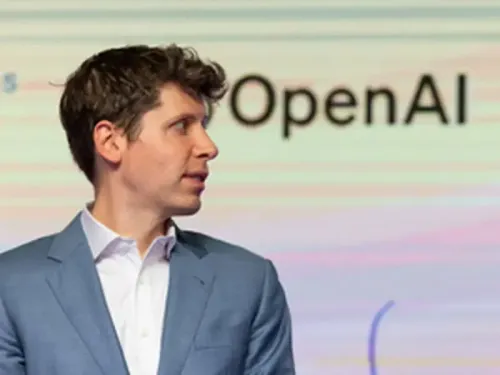
OpenAI CEO Sam Altman on 14 July 2026 endorsed open-source evaluation harnesses on X, marking a notable signal in the industry debate over transparent AI benchmarking versus proprietary testing frameworks.
Key Takeaways
Sam Altman , chief executive of OpenAI , publicly endorsed open-source AI evaluation harnesses in a post on 14 July 2026 .
An AI 'harness' is a standardised benchmarking framework used to test model performance and safety across open and closed systems.
OpenAI has historically released frontier models under restricted conditions since its capped-profit transition in 2019 .
Open evaluation harnesses allow independent researchers to verify safety claims without requiring access to proprietary model weights.
The statement has implications for India's AI research community, which depends on open tools for internationally comparable safety assessments.
Regulators in the EU , US , and India are actively examining transparency obligations for frontier AI, including evaluation infrastructure.
OpenAI chief executive Sam Altman weighed in on the open-source versus proprietary AI debate on Tuesday, 14 July 2026, endorsing open-source evaluation harnesses as a meaningful reason to favour transparency in AI testing infrastructure. The brief but pointed remark, posted on X, adds fresh weight to an ongoing industry conversation about how AI models are benchmarked and audited.
Context
Altman's post — a reply on X — stated plainly: 'also, a reason to favor open-source harnesses.' In AI development, a 'harness' refers to a standardised testing or benchmarking framework used to evaluate model performance and safety across both open and closed systems. The remark signals that even within OpenAI, which has historically guarded its most capable models under restricted release, leadership sees value in open evaluation infrastructure.
The comment is notable because it separates the question of open-sourcing a model itself from open-sourcing the tools used to test it — a distinction that researchers and policy advocates have long pressed the industry to make.
Policy Backdrop
The debate over open versus closed AI development has shadowed OpenAI since its founding in 2015. In 2019, the organisation shifted to a capped-profit structure and began releasing models such as GPT-2 under staged or restricted conditions, citing safety concerns. Critics argued that staged release limited independent auditing; supporters said it reduced misuse risk.
Evaluation harnesses sit at the centre of that tension. If the frameworks used to test models are proprietary, independent researchers cannot verify safety claims. Open harnesses, by contrast, allow the broader scientific community to replicate benchmarks, identify blind spots, and hold labs accountable — without requiring the underlying model weights to be public.
Stakeholders and Impact
AI researchers and model developers stand to be most directly affected by any shift in how evaluation infrastructure is licensed and shared. Academic labs and smaller AI companies, which often lack resources to build bespoke testing frameworks, rely on open tools to benchmark their own models against industry standards.
For India's growing AI research community — spanning institutions such as IITs, IISc, and a rising cohort of AI startups — open evaluation harnesses lower the barrier to credible, internationally comparable safety assessments. A signal from a figure of Altman's stature that open harnesses are worth favouring could influence both lab practices and emerging regulatory thinking globally.
What's Next
The remark invites scrutiny of OpenAI's own evaluation practices and whether the company will move toward publishing or endorsing specific open-source benchmarking frameworks. Regulatory bodies in the European Union, the United States, and increasingly in India are examining what transparency obligations should attach to frontier AI systems — and evaluation infrastructure is a live question in those discussions.
Future model release policies from major labs and any legislative proposals requiring open evaluation tools for AI systems will be the clearest indicators of whether this moment of consensus-building translates into durable industry norms.
Point of View
Where AI governance frameworks are still taking shape, signals from OpenAI leadership carry outsized influence over both domestic lab practices and the expectations regulators bring to the table. The real test will be whether this rhetorical alignment with open evaluation translates into concrete tooling commitments from OpenAI or its peers.
NationPress
13 Oct 2026
Frequently Asked Questions
What did Sam Altman say about open-source AI harnesses?
Sam Altman posted on X on 14 July 2026 that open-source harnesses are 'a reason to favor' them, signalling support for transparent, openly available AI evaluation and benchmarking frameworks.
What is an AI evaluation harness?
An AI evaluation harness is a standardised testing framework used to benchmark the performance and safety of AI models. Open-source harnesses allow independent researchers to verify results without access to proprietary model code.
Why does the open-source versus proprietary AI debate matter for India?
India's growing AI research community at institutions such as IITs and IISc relies on open evaluation tools to conduct credible, internationally comparable safety assessments. Open harnesses lower costs and raise the quality of independent AI auditing in the country.
Has OpenAI released open-source AI models before?
OpenAI released GPT-2 under staged conditions in 2019 citing safety concerns, but has kept its most capable models such as GPT-4 and later systems under restricted or proprietary access.
What are regulators doing about AI evaluation transparency?
Regulators in the European Union, the United States, and India are actively examining what transparency obligations should apply to frontier AI systems, with evaluation infrastructure and benchmarking practices a live area of policy debate.