China wastes clean energy equivalent to France's needs amid Hormuz crisis
Synopsis
China is curtailing enough wind and solar power to meet France's entire electricity needs, even as the Strait of Hormuz crisis exposes the country's dangerous dependence on fossil fuels — a self-inflicted vulnerability, CREA analysis shows.
Key Takeaways
China is wasting wind and solar energy equivalent to the electricity needs of France , according to a June 4, 2026 CREA analysis for Carbon Brief .
Inflexible grid management that prioritises coal baseload power is the primary driver of renewable curtailment.
China's energy demand rose in Q1 2026 , but the gap was filled with fossil fuels rather than available renewable capacity.
The CREA report states curtailment 'left China more exposed to the closure of the Strait of Hormuz ' by raising demand for coal and gas .
The Strait of Hormuz crisis was expected to accelerate China's clean energy pivot, but grid structural issues are limiting that shift.
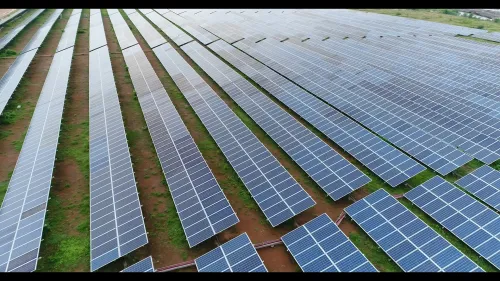
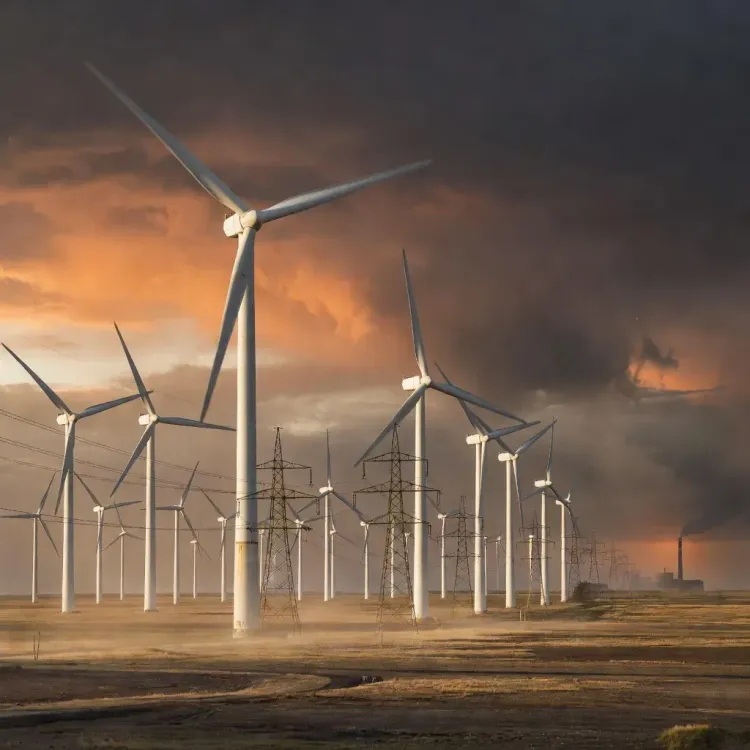
China is curtailing vast quantities of wind and solar energy even as a global energy crunch — triggered by the Strait of Hormuz crisis — tightens supplies worldwide, according to a June 4 analysis by the Centre for Research on Energy and Clean Air (CREA). The wasted renewable output is large enough to power an economy the size of France, yet inflexible grid management keeps coal entrenched as the backbone of China's electricity system.
Why it matters
The CREA analysis, published for climate news site Carbon Brief, found that curtailing wind and solar plants 'left China more exposed to the closure of the Strait of Hormuz by increasing the need for other fuels,' including coal and gas. In other words, the very grid inflexibility that wastes green power simultaneously deepens the fossil-fuel dependency that the Hormuz disruption has made dangerous.
The contradiction is stark: China is the world's largest installer of renewables, yet systemic curtailment means that capacity is not translating into clean generation at the scale the hardware warrants.
The grid management gap
According to the CREA report, China's electricity system continues to rely on coal for baseload power, a structural choice that leaves grid operators little room to absorb variable wind and solar output. When renewable generation peaks, operators curtail it rather than dial back thermal plants locked into long-term dispatch contracts.
China's energy demand rose in the first quarter of 2026, but instead of meeting that incremental demand with its rapidly expanding renewable capacity, the country reportedly reverted to fossil fuels, the analysis noted.
Energy security paradox
'While the Strait of Hormuz crisis has boosted China's focus on energy security — including through clean energy and electrification — its electricity system is failing to keep up,' the CREA analysis stated. The crisis, which has disrupted global oil and gas flows, was widely expected to accelerate China's pivot to domestically produced renewables. The curtailment data suggests that pivot is being hobbled by legacy infrastructure and policy design.
The National Energy Administration has not publicly responded to the CREA findings as of publication.
What's next
The scale of curtailment — framed in terms of France's entire electricity consumption — gives Beijing a concrete policy target: grid reform that enables flexible dispatch of thermal assets and expands inter-regional transmission capacity. Analysts watching China's energy transition will focus on whether the Hormuz shock provides the political urgency to accelerate those reforms, or whether coal-sector interests continue to delay them.
Point of View
An asset class that powerful state-owned utilities have every financial incentive to protect. Mainstream coverage of the Hormuz crisis focuses on oil price shocks and shipping insurance, but the deeper story is how geopolitical supply disruptions are revealing structural weaknesses in even the most ambitious clean-energy build-outs. The curtailment volume — framed at France-scale — is a policy failure hiding inside an investment success story. Until Beijing forces grid operators to absorb variable renewables ahead of thermal dispatch, the capacity numbers will continue to flatter the actual decarbonisation trajectory.
NationPress
21 Oct 2026
Frequently Asked Questions
Why is China wasting wind and solar energy?
China is curtailing wind and solar output because its grid management system still prioritises coal for baseload power, leaving insufficient flexibility to absorb variable renewable generation. According to the CREA analysis, this structural issue is large enough to waste energy equivalent to all of France 's electricity needs.
How does the Strait of Hormuz crisis affect China's energy situation?
The Strait of Hormuz crisis has disrupted global fossil fuel flows, increasing energy security risks for China . CREA found that renewable curtailment made China more vulnerable to this disruption by keeping its dependence on imported coal and gas higher than necessary.
What did CREA find about China's energy demand in early 2026?
China's energy demand rose in the first quarter of 2026 , but the country reportedly filled that gap with fossil fuels rather than its rapidly expanding wind and solar capacity, according to the CREA report published on June 4, 2026 .
What reforms could fix China's renewable curtailment problem?
Grid reform enabling flexible dispatch of thermal assets — allowing coal plants to ramp down when renewables peak — and expanded inter-regional transmission capacity are the most-cited solutions. The Hormuz crisis may provide political urgency, but coal-sector interests have historically slowed such changes.
Who published the China renewable curtailment analysis?
The analysis was conducted by the Centre for Research on Energy and Clean Air (CREA) and published on June 4, 2026 for climate news site Carbon Brief . It examined China's grid management practices and their impact on clean energy utilisation during the Strait of Hormuz crisis.