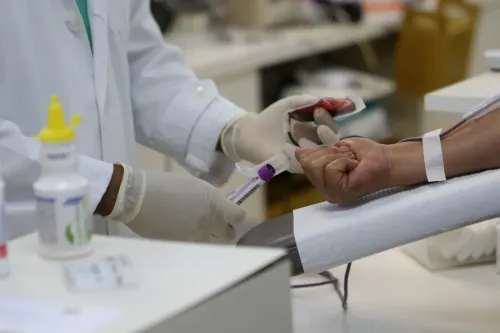
China blood donation crisis: Trust collapse, 55% student drop by 2025
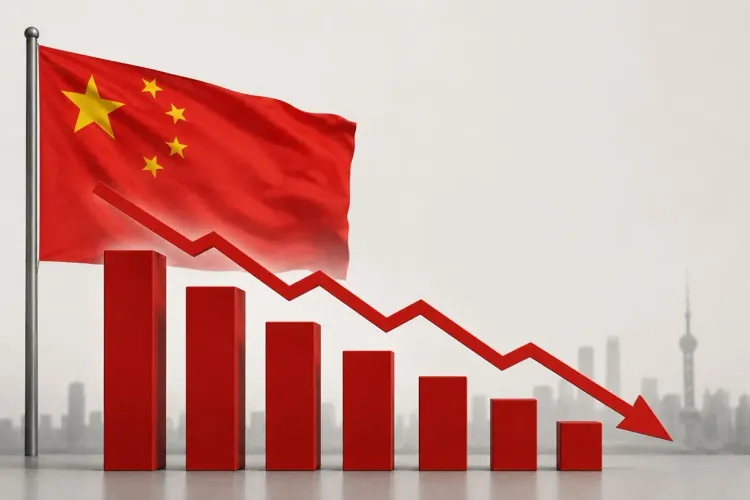
Synopsis
China's blood banks are running critically low — not just because of demographics, but because the public no longer trusts the system. With student donations down 55% in two years and demand growing nine times faster than supply, Beijing's administrative fixes look inadequate against a crisis rooted in broken promises and opaque practices.
Key Takeaways
China's blood donation rate stood at 10.9 per 1,000 people by mid-2026 — barely above the WHO minimum of 10 per 1,000 and far below the high-income country average of 31.5 per 1,000 .
Clinical blood demand is rising at nearly 9 per cent annually , while voluntary donations have grown by only 1.69 per cent over the same period.
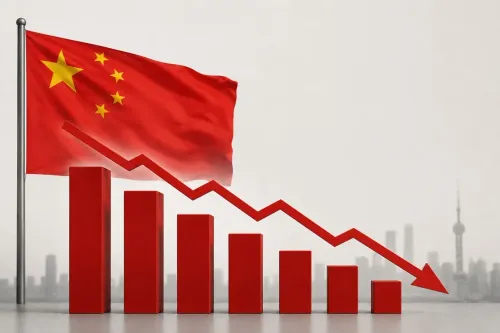
University student donations collapsed 55 per cent , from 2.36 million in 2023 to 1.06 million in 2025 .
A typical 200 ml blood transfusion costs patients around Yuan 1,000 despite blood being donated free — a key driver of public distrust.
Proposed legislative changes would raise the maximum donor age from 55 to 65 and reduce the inter-donation interval, but analysts warn these cannot reverse structural decline.
China is confronting a deepening blood donation crisis, driven by a collapse in public trust and accelerating demographic pressures, according to a new report published in mid-2026. The national donation rate stood at just 10.9 donors per 1,000 people — barely above the World Health Organization's recommended minimum of 10 per 1,000 — and far below the 31.5 per 1,000 average recorded in high-income countries.
The Supply-Demand Imbalance
Clinical demand for blood in China is rising at nearly 9 per cent annually, while voluntary donations have grown by only 1.69 per cent over the same period, according to the report by Myanmar-based publication Mizzima. The gap has forced hospitals to postpone non-urgent surgeries and left patients in vulnerable positions. 'The imbalance is stark: hospitals require thousands of units daily, but donation centres remain empty, forcing postponements of non-urgent surgeries and leaving patients vulnerable,' the publication said.
How Public Trust Eroded
A central grievance is the cost disparity between donation and transfusion. Blood procured free from donors is charged back to patients at steep rates — a typical 200 ml transfusion costs around Yuan 1,000, with platelet transfusions priced even higher. Critics argue this commodification of donated blood has fundamentally undermined the spirit of voluntary giving.
Compounding the distrust, official propaganda had long promised donors and their families lifetime priority access to transfusions. In practice, hospitals reportedly denied blood to donors on the grounds that their donation certificates had 'expired' — a bureaucratic reinterpretation that, according to the report, has 'collapsed' the ruling party's 'promises of reciprocity.'
Separately, China's documented ability to locate compatible organs for transplantation within hours has raised public suspicions that blood donation may feed into a broader organ procurement system — concerns that authorities have not addressed transparently.
The Sharpest Drop: Young and Student Donors
The decline in donation enthusiasm is most acute among younger demographics. University student donations fell 55 per cent — from 2.36 million in 2023 to 1.06 million in 2025 — a collapse that signals a generational withdrawal from the system. China's ageing population and record-low birth rate are simultaneously shrinking the pool of eligible donors, compounding the structural challenge.
Legislative Measures and Their Limits
According to the report, legislative attempts are underway to raise the maximum donation age from 55 to 65 and to shorten the mandatory interval between donations from the current six months. While these measures could provide a temporary supply boost, analysts cited in the report argue they cannot reverse the underlying structural decline in donor availability. The measures are seen as symptomatic of the urgency with which authorities are treating the crisis.
What Comes Next
Without a credible restoration of public trust — including transparent pricing, enforceable donor benefits, and independent oversight — China's blood supply gap is likely to widen as demand continues to outpace voluntary contributions. The structural mismatch between a fast-ageing donor base and rising clinical need presents a long-term public health challenge that administrative fixes alone may not resolve.
Point of View
000 for blood it received for free, and deny transfusions to donors on technicalities. Raising the donor age ceiling to 65 is a band-aid on a wound that requires institutional trust-building, not administrative tinkering. What makes this particularly consequential is the organ transplant dimension: so long as public suspicion persists that donation feeds opaque procurement chains, no campaign or legislation will reverse the structural decline.
NationPress
14 Sept 2026
Frequently Asked Questions
What is causing China's blood donation crisis?
China's blood donation crisis is driven by a collapse in public trust and demographic decline, according to a mid-2026 report by Mizzima. Key grievances include hospitals charging patients Yuan 1,000 per 200 ml transfusion for freely donated blood, denial of promised benefits to donors, and public suspicion linking donation to organ procurement practices.
How severe is the gap between blood supply and demand in China?
Clinical demand for blood is rising at nearly 9 per cent annually in China, while voluntary donations have grown by only 1.69 per cent over the same period. The national donation rate of 10.9 per 1,000 people is barely above the WHO minimum and less than a third of the high-income country average of 31.5 per 1,000.
Why have student blood donations in China dropped so sharply?
University student donations fell 55 per cent — from 2.36 million in 2023 to 1.06 million in 2025 — reflecting a broader erosion of trust among younger demographics. Students are reportedly disillusioned by the commercialisation of donated blood and the failure of authorities to honour promised donor benefits.
What measures is China considering to address the shortage?
According to the report, legislative proposals are underway to raise the maximum donor age from 55 to 65 and reduce the mandatory interval between donations. Analysts, however, warn these steps can only temporarily boost supply and cannot address the structural decline in voluntary donation driven by public distrust.
How does China's donation rate compare internationally?
China's donation rate of 10.9 per 1,000 people barely exceeds the WHO's recommended minimum of 10 per 1,000, and is significantly below the 31.5 per 1,000 average seen in high-income countries, highlighting a substantial gap in voluntary donation culture and systemic trust.