Delhi Next: CM Rekha Gupta launches India's largest civic-tech programme
Synopsis
Delhi's 'Delhi Next' isn't just another hackathon — it's a government-backed pipeline where winning prototypes get departmental mentors, pilot budgets, and a roadmap into the system. With 2.5 lakh registrations and 5,000-plus proposals evaluated, CM Rekha Gupta is betting that civic tech can make Delhi India's most innovation-driven capital.
Key Takeaways
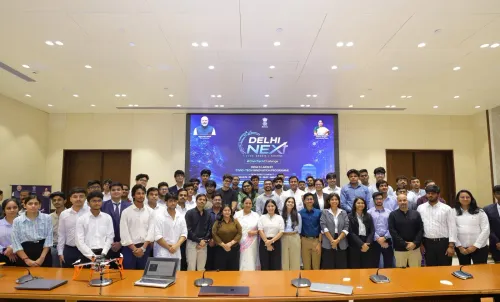
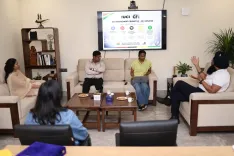
Delhi CM Rekha Gupta chaired 'Delhi Next — Code, Create and Change' at the Delhi Secretariat on 2 July .
The programme is billed as India's largest civic-tech innovation initiative, with over 2.5 lakh youth registered nationwide.
More than 5,000 technical proposals were evaluated; 1,000 participants shortlisted; top 60 teams gave live prototype demos.
Selected teams will receive an MVP, departmental mentor, pilot implementation plan , and a government integration roadmap — not just prizes.
Focus areas include waterlogging, traffic management, air pollution, waste management, EV ecosystem , and digital governance.
The Delhi Government aims to establish the capital as India's civic-tech capital through continuous collaboration between government, startups, and citizens.
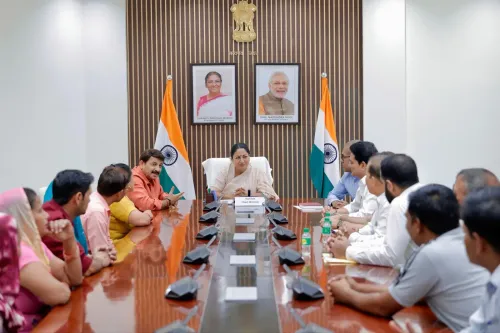
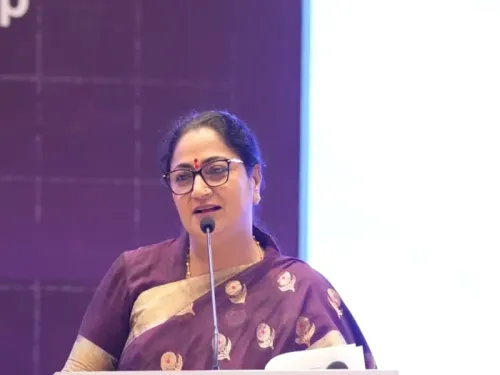
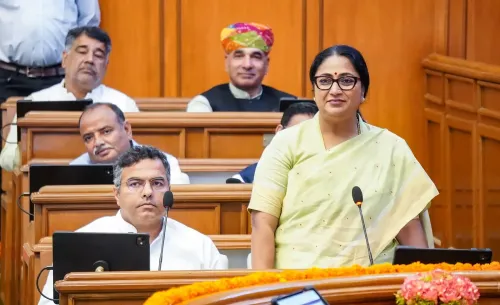
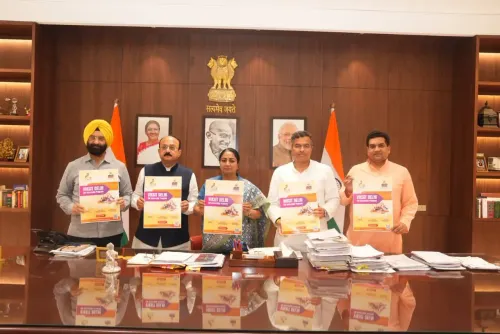
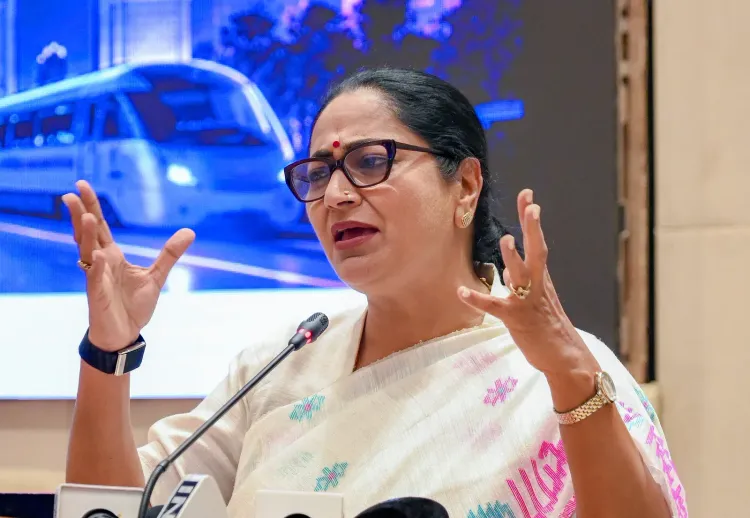
Delhi Chief Minister Rekha Gupta on Thursday, 2 July chaired the inaugural edition of 'Delhi Next — Code, Create and Change' at the Delhi Secretariat, positioning the capital city as India's emerging civic-tech hub. The programme, described as the country's largest civic-tech innovation initiative, brought together startups, researchers, educational institutions, and young innovators to build technology-driven solutions for Delhi's urban challenges.
What Delhi Next Is and How It Works
The initiative is designed as a structured pipeline — not a conventional hackathon — where selected solutions are taken beyond the demonstration stage and piloted as real government projects. Winning teams will receive a working Minimum Viable Product (MVP), a dedicated departmental mentor, a pilot implementation plan, and a clear roadmap for integration into the government system.
Problem areas addressed by participants included urban infrastructure, waterlogging, traffic management, smart parking, air pollution, waste management, the electric vehicle ecosystem, citizen grievance redressal, digital governance, and public services delivery.
Scale and Reach of the Programme
The programme ran in three stages. The awareness campaign in the first stage reached more than 1 crore young people across the country. In the second stage, over 2.5 lakh youth registered. An expert committee then evaluated more than 5,000 technical proposals and shortlisted 1,000 participants for the next round. In the final stage, the top 60 teams gave live demonstrations of working prototypes before Chief Minister Gupta.
What the Chief Minister Said
Addressing participants, Chief Minister Rekha Gupta said governance today cannot remain confined to policymaking alone and that technology, innovation, and public participation are essential to building effective and lasting solutions. She described Delhi Next as 'a bridge between governance and innovation' that connects young minds directly with the government system.
Gupta said the Delhi Government views young people not merely as competition participants but as 'equal partners in good governance,' adding that they are 'not just the future of the country but its brightest present' in the mission to build a 'Viksit Bharat'.
She also stated that governments of the future will deliver more effective, transparent, and accountable governance through data, AI, digital innovation, and citizen participation — moving beyond mere administration.
Roadmap and What Comes Next
Each of the top 60 teams will be linked with a relevant government department and mentored by domain experts. Their solutions will undergo pilot testing before a phased integration into the government system, ensuring citizens receive direct benefits from the innovations. Chief Minister Gupta expressed the ambition of making Delhi a city where the government, startups, industry, educational institutions, and citizens continuously collaborate to create new models of good governance.
With the pilot roadmap now in place, Delhi Next sets a template that other state governments may find difficult to ignore.
Point of View
And a change of political guard can shelve even the most promising prototypes. CM Gupta's framing of youth as 'equal partners in governance' is politically astute, but the credibility of Delhi Next will be measured by how many of those 60 solutions are actually running in production two years from now — not by the scale of the outreach campaign.
NationPress
2 Jul 2026
Frequently Asked Questions
What is Delhi Next — Code, Create and Change?
Delhi Next is India's largest civic-tech innovation programme, launched by Delhi Chief Minister Rekha Gupta on 2 July at the Delhi Secretariat. It brings together startups, researchers, youth, and educational institutions to develop technology-based solutions for Delhi's real urban and civic challenges, with winning prototypes earmarked for actual pilot deployment in government departments.
How many people participated in Delhi Next?
The programme's awareness campaign reached more than 1 crore young people across India. Over 2.5 lakh youth registered, more than 5,000 technical proposals were evaluated by an expert committee, 1,000 participants were shortlisted, and the top 60 teams presented live working prototypes before the Chief Minister.
What do the winning teams receive under Delhi Next?
Unlike conventional hackathons, Delhi Next's top 60 teams will each receive a working Minimum Viable Product (MVP), a dedicated mentor from the relevant government department, a pilot implementation plan, and a clear roadmap for integrating their solution into the government system — ensuring their innovations move beyond demonstrations.
What civic problems does Delhi Next aim to solve?
Participants focused on urban infrastructure, waterlogging, traffic management, smart parking, air pollution, waste management, the electric vehicle ecosystem, citizen grievance redressal, digital governance, and public services delivery — all real challenges faced by Delhi residents.
What is Delhi's goal through the Delhi Next programme?
Chief Minister Rekha Gupta has stated that the Delhi Government aims to establish the capital as India's civic-tech capital, where government, startups, industry, educational institutions, and citizens collaborate continuously to create new models of transparent and accountable governance powered by data, AI, and digital innovation.