Chinese scientists grow living textiles from Cordyceps fungus
Synopsis
Scientists at the Shenzhen Institutes of Advanced Technology have grown wearable, self-cleaning textiles from Cordyceps militaris fungus that fully degrade within 41 days — a potential game-changer for circular fashion and biodegradable packaging.
Key Takeaways
Shenzhen Institutes of Advanced Technology researchers developed textiles from Cordyceps militaris , the caterpillar fungus used in traditional Chinese medicine.
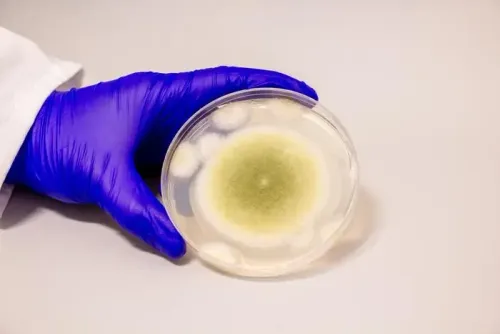
The living fabric self-cleans, regenerates, and can be customised — including for UV radiation protection — using additional microorganisms such as Aspergillus niger .
Environmental assessments confirmed the material degrades within 41 days , meeting a key threshold for circular fashion applications.
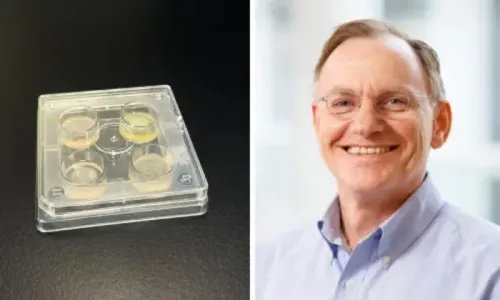
The study was published in the journal Science Advances on 27 July 2026 , with Li Ke among the lead researchers.
The technology addresses a longstanding challenge in engineered living materials ( ELMs ): scaling microscopic living cells into large, durable, functional structures.
Chinese scientists have engineered wearable textiles from Cordyceps militaris — the caterpillar fungus long used in traditional Chinese medicine — creating fabrics capable of self-cleaning, regenerating, and degrading within 41 days. The breakthrough, published in the journal Science Advances on Friday, 27 July 2026, marks a significant step toward circular fashion and biodegradable materials at scale.
What the researchers built
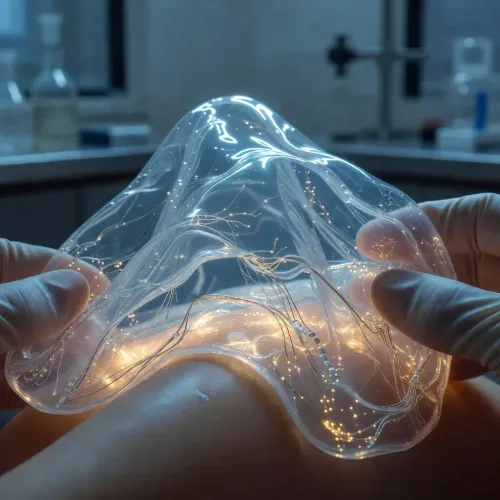
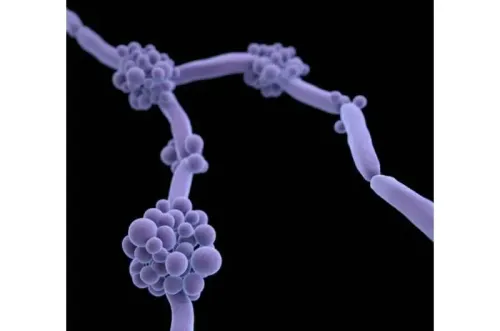
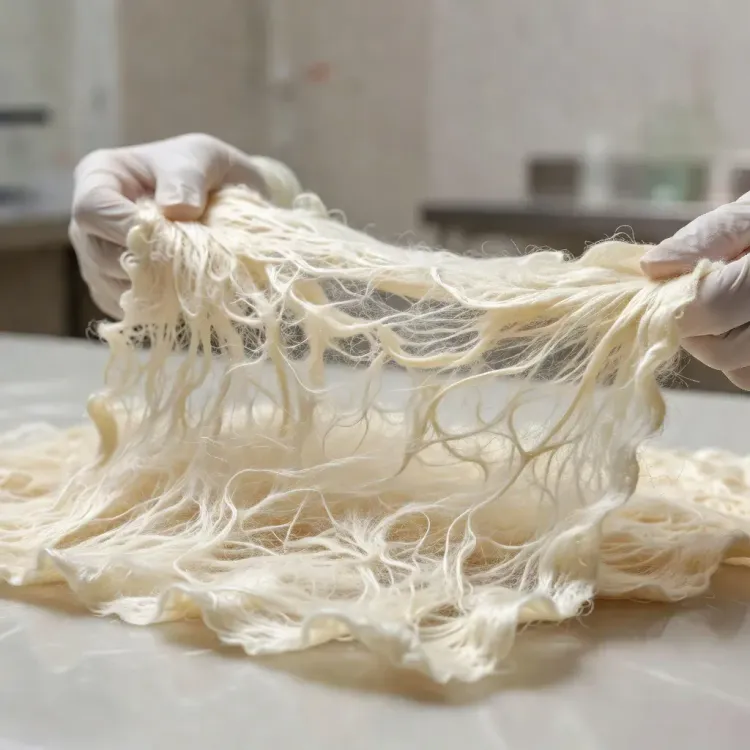
A research team led by the Shenzhen Institutes of Advanced Technology developed a method to fabricate engineered living materials (ELMs) using the threadlike structures — known as hyphae — produced by Cordyceps militaris. The fungus's natural ability to form dense, fibrous networks made it a practical candidate for scaling microscopic living cells into large, durable textile structures, according to the study.
The team also demonstrated that the living fabric could be customised through the introduction of other microorganisms — including Aspergillus niger — to add properties such as colour pigmentation or protection against ultraviolet (UV) radiation.
Why it matters
Scaling living cells into functional, wearable materials has been a persistent bottleneck for the ELM field. Most prior efforts produced samples too fragile or too small for practical use. The Shenzhen-led approach reportedly addresses this by leveraging the structural robustness of fungal hyphae, which self-organise into textile-grade fibre networks without synthetic binders.
Environmental assessments confirmed the material fully degraded within 41 days, a timeline that positions it as a viable input for circular fashion — clothing systems designed for reuse, recycling, or safe composting at end of life.
The competitive backdrop
The living-materials race has drawn academic and commercial interest globally, with startups and university labs in the United States, Europe, and Asia exploring mycelium-based leather and packaging alternatives. What distinguishes the Shenzhen Institutes of Advanced Technology approach is the retention of biological activity — the fabric remains alive and functional post-fabrication, enabling self-repair and programmable surface properties that static bio-based materials cannot replicate.
The use of Cordyceps militaris — a species with an established supply chain in China due to its role in traditional medicine — also offers a potential sourcing advantage over more exotic fungal strains used in Western mycelium-textile programmes.
What's next
The study's authors, led by researcher Li Ke, did not specify a commercialisation timeline, and the technology remains at the laboratory stage. Key open questions include whether the living properties can be preserved through industrial dyeing, cutting, and stitching processes, and whether the 41-day degradation window can be tuned for longer-wear applications. Fashion brands and biodegradable packaging manufacturers are among the sectors most likely to watch this research for licensing or partnership opportunities.
Point of View
Making a 41-day compostable textile commercially compelling — not just academically interesting. What mainstream coverage tends to underplay is the supply-chain edge: Cordyceps militaris is already farmed at scale in China for the traditional medicine market, giving Chinese labs a feedstock advantage that Western mycelium-textile startups lack. The retention of biological activity post-fabrication also opens a programmable-materials frontier — fabrics that respond to environment or wearer — that static bio-based competitors cannot match. The real bottleneck to watch is industrial process compatibility: whether living hyphae networks survive the heat, chemicals, and mechanical stress of conventional garment manufacturing will determine if this stays a lab curiosity or becomes a platform technology.
NationPress
27 Jul 2026
Frequently Asked Questions
What are living textiles made from Cordyceps fungus?
Living textiles made from Cordyceps militaris are fabrics engineered from the fungus's threadlike hyphal structures, which self-organise into fibre networks. Developed by the Shenzhen Institutes of Advanced Technology , the material remains biologically active after fabrication, enabling self-cleaning and regeneration.
How quickly do these fungal textiles biodegrade?
Environmental assessments confirmed the Cordyceps militaris -based fabric degrades within 41 days , according to the study published in Science Advances on 27 July 2026 . This makes it a strong candidate for circular fashion systems designed for composting or recycling at end of life.
Can the living fabric be customised?
Yes. Researchers demonstrated that introducing other microorganisms — including Aspergillus niger — allows the fabric to be customised with colour or UV radiation protection. The modular, microorganism-based approach means additional functional properties could potentially be engineered in future iterations.
Who led the research and where was it published?
The study was led by researcher Li Ke and a team at the Shenzhen Institutes of Advanced Technology in Shenzhen, China . It was published in the peer-reviewed journal Science Advances on Friday, 27 July 2026 .
How does this compare to other mycelium-based textile efforts?
Unlike most mycelium-based materials — which are processed into static, leather-like sheets — the Shenzhen approach retains the fabric's biological activity, enabling self-repair and programmable surface properties. The use of Cordyceps militaris , already farmed at scale in China for traditional medicine, also provides a sourcing advantage over exotic fungal strains used in Western programmes.