India-Afghanistan trade talks: customs, banking, connectivity on agenda
Synopsis
India and Afghanistan held a formal Joint Working Group meeting on trade and investment, agreeing on enhanced customs data-sharing, pharma and agri regulatory cooperation, and improved cargo connectivity — a quiet but significant effort to keep bilateral commerce alive despite the Taliban-era barriers that have complicated direct banking links and overland routes since 2021.
Key Takeaways
The India-Afghanistan Joint Working Group on Trade, Commerce and Investment met virtually on 2 September , confirmed by the Ministry of Commerce and Industry .
Discussions covered customs cooperation , visa facilitation for Afghan traders , banking and financial cooperation , and trade in pharmaceuticals and agricultural products .
Both sides agreed on enhanced customs data-sharing , regulatory alignment in pharma and agriculture , and improved cargo connectivity .
Officials from commerce, industry, customs, regulatory authorities, and diplomatic missions participated from both countries.
Finance Minister Nirmala Sitharaman separately met Valdis Dombrovskis of the European Commission at the G20 FMCBG Meeting in Asheville to discuss the India-EU Economic and Financial Partnership .
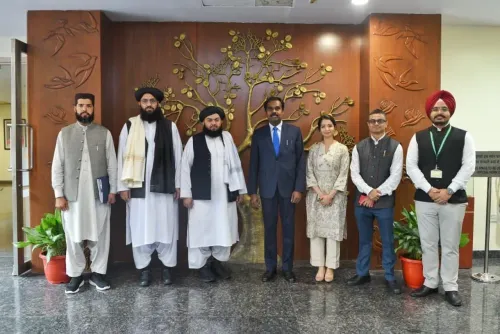
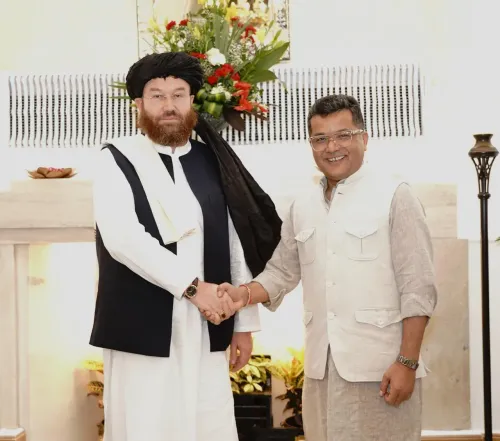
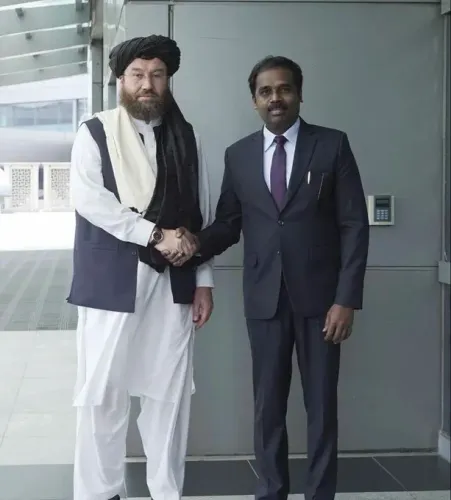
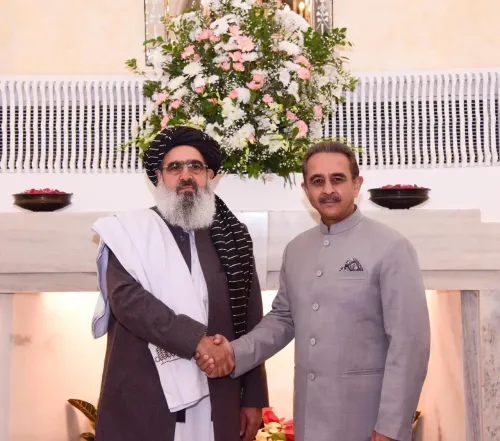
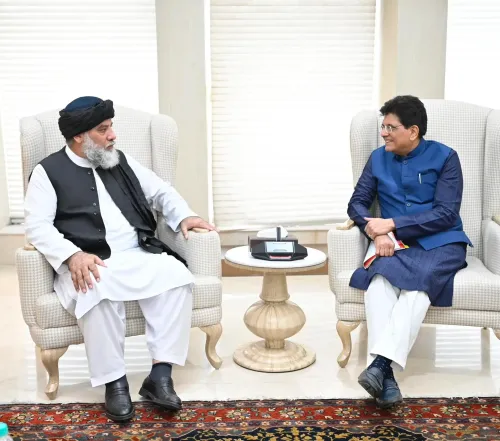
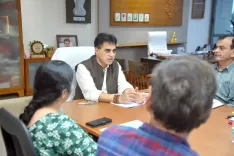
India and Afghanistan convened a virtual meeting of the India-Afghanistan Joint Working Group on Trade, Commerce and Investment on Wednesday, 2 September, reviewing bilateral trade ties and agreeing on concrete steps to deepen commercial engagement between the two countries. The discussions, confirmed through an official statement by the Ministry of Commerce and Industry, covered a broad spectrum of economic priorities at a moment when India-Afghanistan commercial links remain constrained by regional logistics and political complexities.
Key Issues on the Table
Officials from both sides discussed trade facilitation and customs cooperation, visa facilitation for Afghan traders, and banking and financial cooperation — areas that have long been identified as structural bottlenecks in bilateral commerce. Trade in pharmaceuticals and agricultural products also featured prominently, reflecting Afghanistan's dependence on Indian generics and India's interest in Afghan dry fruits and agri-commodities.
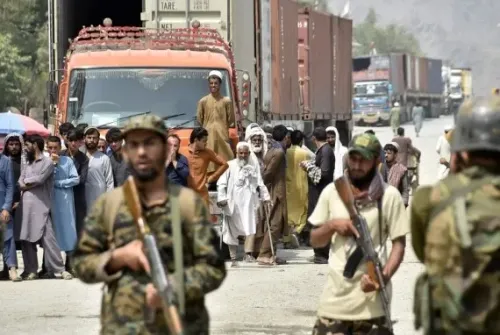
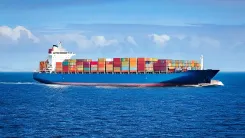
The two sides additionally took up energy cooperation, investment and trade promotion, tariff concessions, and cargo connectivity and port-related issues. The last point is particularly significant given that overland routes through Pakistan remain effectively closed, making air corridors and the Chabahar port route through Iran the primary arteries for bilateral trade.
Agreed Measures and Institutional Follow-Up
Both delegations agreed to strengthen institutional cooperation and pursue follow-up action across the identified areas. Specific measures include enhanced customs and data-sharing cooperation, greater regulatory alignment in pharmaceuticals and agriculture, improved trade connectivity, and promotion of investment and business-to-business engagement. Notably, both sides reaffirmed their commitment to sustaining India-Afghanistan trade, commerce, and investment ties and agreed to maintain continued engagement on the discussed issues.
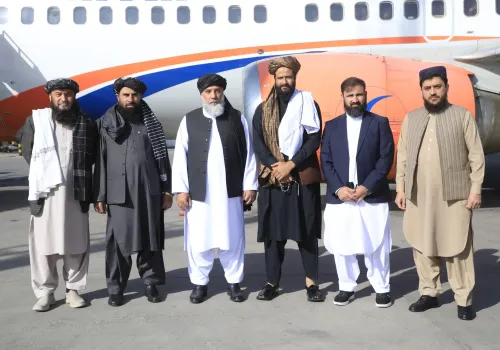
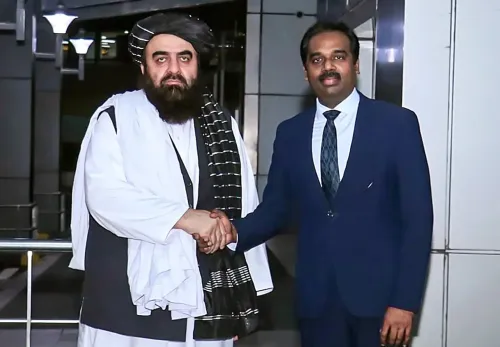
The meeting drew participation from officials representing commerce, industry, customs, regulatory authorities, and diplomatic missions from both countries — signalling that the engagement extends beyond ministerial rhetoric to operational-level coordination.
Sitharaman's G20 Sideline Meetings
Separately, Union Finance Minister Nirmala Sitharaman held bilateral meetings with world leaders on the sidelines of the G20 Finance Ministers and Central Bank Governors (FMCBG) Meeting in Asheville, where discussions centred on the global economic outlook and India's growth trajectory. In her meeting with Valdis Dombrovskis, Commissioner for Economy and Financial Affairs at the European Commission, the two sides discussed further deepening of the India-EU Economic and Financial Partnership, including through the India-EU macroeconomic dialogue and the Trade and Technology Council (TTC).
Why This Engagement Matters
India-Afghanistan bilateral trade has faced persistent headwinds — from the Taliban's return to power in 2021 to the absence of direct banking channels and the closure of the Pakistan land route. Despite these constraints, India has maintained trade engagement, viewing Afghanistan as both a humanitarian priority and a strategic economic partner in the region. This Joint Working Group meeting is part of a broader effort to institutionalise that engagement rather than allow it to atrophy. With connectivity and banking cooperation now formally on the agenda, there is cautious optimism that incremental progress is possible even within a difficult operating environment.
Point of View
No viable overland route through Pakistan, and limited Afghan forex capacity. Agreeing on data-sharing and regulatory cooperation is necessary groundwork, but without a breakthrough on banking connectivity, trade volumes will remain well below potential. India's use of the Chabahar route has shown promise, but it too is hostage to broader Iran-US sanctions dynamics. The optimism embedded in joint communiqués needs to be matched by equally candid acknowledgement of these constraints.
NationPress
2 Sept 2026
Frequently Asked Questions
What was discussed at the India-Afghanistan Joint Working Group meeting?
The meeting, held virtually on 2 September, covered trade facilitation, customs cooperation, visa facilitation for Afghan traders, banking and financial cooperation, and trade in pharmaceuticals and agricultural products. Energy cooperation, tariff concessions, and cargo connectivity were also on the agenda.
What concrete measures did India and Afghanistan agree on?
Both sides agreed on enhanced customs and data-sharing cooperation, greater regulatory alignment in pharmaceuticals and agriculture, improved trade connectivity, and promotion of investment and business-to-business engagement. They also committed to continued institutional follow-up on all discussed issues.
Why is banking cooperation a key issue in India-Afghanistan trade?
Direct banking channels between India and Afghanistan have been severely disrupted since the Taliban's return to power in 2021, making financial transactions for trade difficult. Without functional banking links, Afghan traders struggle to pay for Indian goods and vice versa, limiting overall trade volumes.
What did Finance Minister Nirmala Sitharaman discuss at the G20 meeting in Asheville?
Finance Minister Nirmala Sitharaman met several world leaders on the sidelines of the G20 Finance Ministers and Central Bank Governors meeting in Asheville, discussing the global economic outlook and India's growth trajectory. Her meeting with European Commission official Valdis Dombrovskis focused on deepening the India-EU Economic and Financial Partnership, including through the macroeconomic dialogue and the Trade and Technology Council.
How does cargo connectivity factor into India-Afghanistan trade?
With the overland route through Pakistan effectively closed, India-Afghanistan trade relies primarily on air corridors and the Chabahar port route through Iran. Cargo connectivity and port-related issues were formally discussed at the Joint Working Group meeting as part of efforts to find viable alternatives.