Ayush services: Union Minister Jadhav pushes people-centric delivery at NITI Aayog workshop
Synopsis
With more than 30 states and UTs in the room and NITI Aayog as host, the Hyderabad workshop signals a serious institutional push to move Ayush from the margins of Indian healthcare to its mainstream — backed by digital health integration and evidence-based standards. Whether state governments follow through on the ground will be the real measure.
Key Takeaways
Union Minister Prataprao Jadhav called for coordinated Centre-state action to expand Ayush healthcare reach and quality on 9 September .
The national workshop was organised by NITI Aayog in Hyderabad , with officials from more than 30 states and UTs participating.
Prof (Dr) M Srinivas , NITI Aayog Member (Health), highlighted technology-integrated and evidence-based approaches to integrative healthcare.
Vaidya Rajesh Kotecha , Secretary, Ministry of Ayush, emphasised grassroots delivery and standardised health terminologies for digital ecosystem integration.
Deliberations focused on Ayush healthcare delivery, education, research, capacity building , and integration with the national health system.
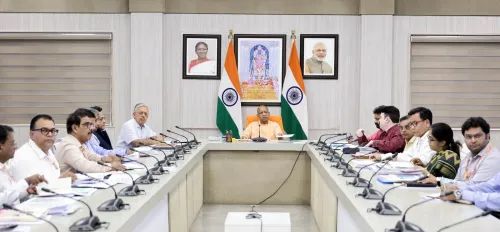
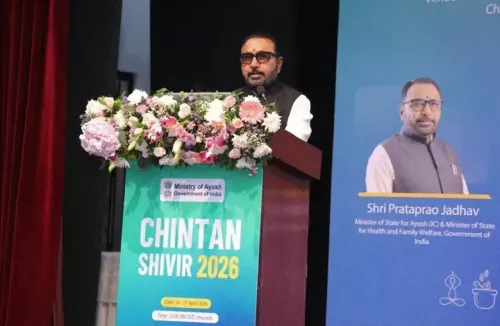
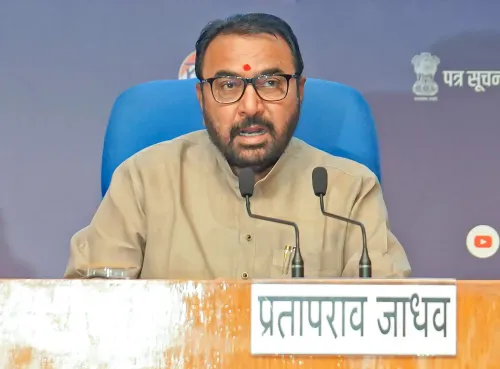
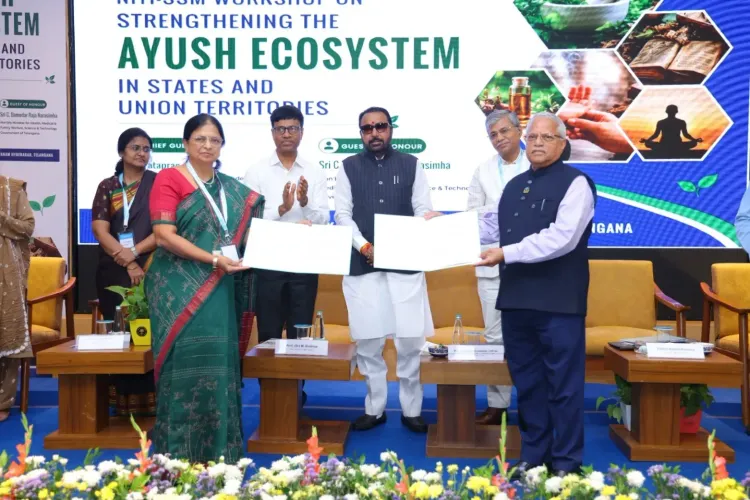
Union Minister Prataprao Jadhav on 9 September called for stronger coordination among the Centre, states, and Union Territories to widen the reach and deepen the impact of Ayush healthcare systems across India, according to an official statement. Speaking at a national workshop organised by NITI Aayog in Hyderabad, Jadhav urged states and UTs to prioritise quality, accessibility, and people-centric delivery of Ayush services to meet the country's evolving health needs.
What the Workshop Covered
The event brought together senior officials from the Central Government, representatives from more than 30 states and Union Territories, and domain experts to deliberate on strengthening the Ayush ecosystem. Participants shared experiences, best practices, and innovative approaches spanning Ayush healthcare delivery, education, research, capacity building, and integration with the broader national healthcare framework.
Key Voices from the Session
Prof (Dr) M Srinivas, Member (Health), NITI Aayog, underscored the importance of technology-integrated and evidence-based approaches to integrative healthcare, noting their potential to improve health outcomes both within India and globally. Vaidya Rajesh Kotecha, Secretary, Ministry of Ayush, stressed the pivotal role of states and UTs in ensuring effective implementation and grassroots delivery of Ayush services. Kotecha has also noted that incorporating standardised health terminologies will ensure Ayush interventions become an integral part of broader digital health ecosystems, aligning with modern health informatics standards.
Why Centre-State Collaboration Matters
The deliberations reaffirmed that without active Centre-State partnership, the vision of holistic and integrated healthcare for all risks remaining aspirational. This comes amid a broader national push to mainstream traditional medicine systems alongside modern healthcare — a priority that has gained institutional momentum since the Ministry of Ayush was accorded independent status. Notably, the involvement of NITI Aayog signals an intent to embed Ayush planning within the country's top-tier policy architecture rather than treat it as a peripheral health vertical.
What Comes Next
The workshop's outcomes are expected to inform state-level action plans aimed at scaling up Ayush service delivery at the grassroots. With digital health integration and evidence-based practice now explicitly on the agenda, the next phase will test whether states can translate workshop commitments into measurable improvements in Ayush access and quality on the ground.
Point of View
Not a supplementary one. Yet the gap between workshop consensus and grassroots delivery has historically been wide in India's health sector. The call for standardised health terminologies and digital integration is the right direction, but without binding state-level targets and independent outcome tracking, these deliberations risk producing yet another set of well-intentioned resolutions. The real test is whether the Ministry of Ayush can shift from advocacy to accountability.
NationPress
24 Oct 2026
Frequently Asked Questions
What did Union Minister Prataprao Jadhav say at the Ayush workshop?
Union Minister Prataprao Jadhav called for coordinated efforts by the Centre, states, and Union Territories to expand the reach and impact of Ayush healthcare systems, with a focus on quality, accessibility, and people-centric service delivery. He was speaking at a national workshop organised by NITI Aayog in Hyderabad on 9 September.
What was the purpose of the NITI Aayog Ayush workshop in Hyderabad?
The workshop brought together senior Central Government officials, representatives from more than 30 states and UTs, and domain experts to deliberate on strengthening the Ayush ecosystem. Key areas of discussion included healthcare delivery, education, research, capacity building, and integration with the broader national healthcare system.
What role did NITI Aayog play in the Ayush workshop?
NITI Aayog organised the national workshop and Prof (Dr) M Srinivas, Member (Health), NITI Aayog, highlighted the importance of technology-integrated and evidence-based approaches to integrative healthcare. The body's involvement signals an intent to embed Ayush planning within India's top-tier policy framework.
What did Ministry of Ayush Secretary Vaidya Rajesh Kotecha emphasise?
Vaidya Rajesh Kotecha stressed the pivotal role of states and UTs in ensuring effective grassroots delivery of Ayush services. He also noted that incorporating standardised health terminologies would help Ayush interventions integrate into broader digital health ecosystems aligned with modern health informatics standards.
Why is Centre-state collaboration important for Ayush healthcare?
Effective delivery of Ayush services depends on states and UTs implementing policies at the grassroots level, which the Centre alone cannot achieve. The workshop reaffirmed that shared experiences and collaborative action between the Centre and states are essential to building an accessible, quality Ayush ecosystem across India.