JC Bose's 89-year-sealed safe in Giridih: Jharkhand HC takes suo motu cognisance
Synopsis
An iron safe locked since 1937 at Jagadish Chandra Bose's memorial home in Giridih has drawn Jharkhand High Court intervention — 89 years after the scientist's death. With a PIL now live and responses sought from state officials, the contents of the safe — possibly rare manuscripts and unpublished research — may finally face daylight under judicial watch.
Key Takeaways
The Jharkhand High Court took suo motu cognisance on 18 November 2026 of the mystery surrounding JC Bose's sealed safe in Giridih , converting it into a PIL.
A bench led by Justice Rongon Mukhopadhyay sought responses from the Tourism Secretary and Giridih Deputy Commissioner .
The iron safe at Shanti Bhavan, Barganda has been locked for 89 years — since Bose's death on 23 November 1937 .
Historians speculate the safe may contain rare manuscripts, unpublished research papers , and significant scientific documents.
An earlier attempt to open the safe — reportedly planned with former President A.P.J.
Abdul Kalam — was shelved approximately five years ago .
The Jagadish Chandra Bose Memorial Science Building was inaugurated on 28 February 1997 by then Bihar Governor A.R.
The Jharkhand High Court has taken suo motu cognisance of the decades-old mystery surrounding a sealed iron safe at the memorial residence of pioneering scientist Jagadish Chandra Bose in Giridih, Jharkhand, converting the matter into a public interest litigation (PIL) on Wednesday, 18 November 2026. The safe has remained locked for 89 years — since Bose's death in 1937 — stoking persistent speculation that it may hold rare manuscripts and unpublished scientific research.
Court Steps In After Media Report
A bench headed by Justice Rongon Mukhopadhyay sought responses from the state's Tourism Secretary and the Giridih Deputy Commissioner, acting on the basis of a media report that brought the long-standing mystery back into public focus. The court's decision to intervene suo motu signals that the preservation of Bose's legacy is now a matter of judicial concern, not merely administrative discretion.
The iron safe is housed at Shanti Bhavan in Barganda, Giridih — the residence where Bose spent his final years and died on 23 November 1937. Its contents have never been officially catalogued or publicly disclosed.
What May Be Inside — and Why It Matters
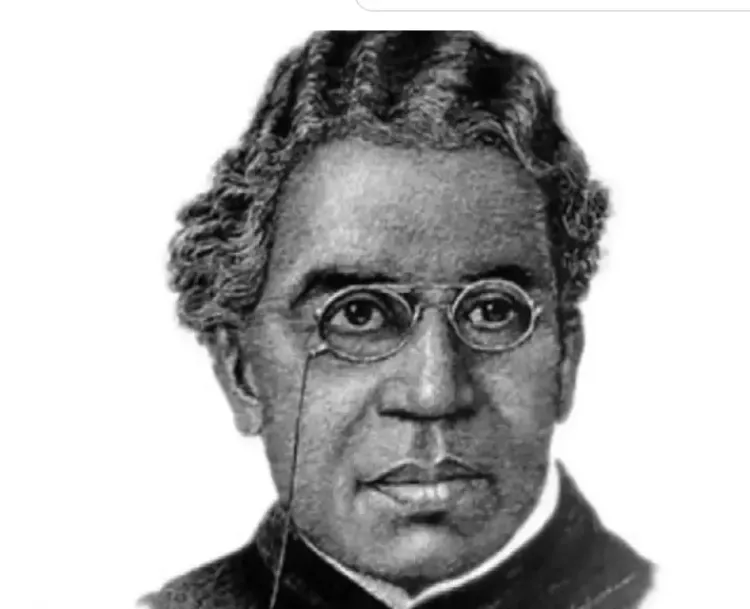
Historians, scientists, and researchers have long speculated that the safe could contain rare scientific manuscripts, unpublished research papers, personal correspondence, and documents related to Bose's groundbreaking contributions to plant physiology and wireless communication. Bose is widely credited as a pioneer in radio science and the inventor of the crescograph, an instrument that measured plant response to stimuli.
Born in 1858 in Mymensingh — now in Bangladesh — Bose chose Giridih, then part of the Bengal Presidency, as a retreat for focused research. The region's dense forests and rich vegetation made it an ideal laboratory for his plant physiology studies. He spent a considerable portion of his later scientific life there in relative seclusion.
The Memorial: History and Neglect
The residence near Giridih's Jhanda Maidan was acquired by the government in 1987 and later renamed the Jagadish Chandra Bose Memorial Science Building. It was formally inaugurated by then Bihar Governor A.R. Kidwai on 28 February 1997. The building today houses photographs, honours conferred on Bose, and working models of inventions including the microwave detector and the crescograph.
Despite its historical significance, conservation efforts at the site have remained limited. The locked safe, in particular, has become a symbol of institutional neglect of Bose's legacy in Jharkhand.
A Failed Attempt Five Years Ago
This is not the first time authorities have considered opening the safe. Approximately five years ago, local officials reportedly explored plans to unlock it and even considered inviting then former President A.P.J. Abdul Kalam to inaugurate the process. The initiative was ultimately shelved after Kalam's proposed visit could not be arranged.
The High Court's suo motu intervention now revives those hopes with a measure of legal urgency that earlier administrative proposals lacked.
What Happens Next
With responses now sought from the Tourism Secretary and the Giridih Deputy Commissioner, the state government is under judicial scrutiny to explain both the state of the safe and the broader preservation condition of the memorial. Scholars and heritage advocates argue that any opening must be conducted under controlled archival conditions to protect whatever documents may remain inside. The next hearing date is yet to be announced, but the court's involvement suggests the matter will not quietly fade again.
Point of View
Yet his final residence has languished with a sealed safe that no administration thought urgent enough to open under proper archival conditions. The failed Kalam episode five years ago was emblematic of performative intent without institutional follow-through. The real test now is not whether the safe gets opened, but whether its contents — if they exist — are handled by trained archivists rather than bureaucrats staging a media moment.
NationPress
18 Nov 2026
Frequently Asked Questions
What is the mystery of JC Bose's sealed safe in Giridih?
An iron safe at Shanti Bhavan in Barganda, Giridih — the memorial residence of scientist Jagadish Chandra Bose — has remained locked for 89 years since his death on 23 November 1937. Historians and researchers believe it may contain rare manuscripts, unpublished scientific papers, and significant documents related to Bose's work in plant physiology and wireless communication.
Why has the Jharkhand High Court intervened in the matter?
The Jharkhand High Court took suo motu cognisance of the issue on 18 November 2026 after a media report highlighted the long-standing neglect of the sealed safe and Bose's memorial. The court converted the matter into a public interest litigation and sought responses from the state's Tourism Secretary and the Giridih Deputy Commissioner.
Has there been any previous attempt to open the safe?
Yes. Approximately five years ago, local authorities reportedly explored opening the safe and considered inviting former President A.P.J. Abdul Kalam to inaugurate the process. The initiative was shelved after his proposed visit could not be arranged.
Where is the JC Bose memorial located and what does it contain?
The Jagadish Chandra Bose Memorial Science Building is located near Jhanda Maidan in Giridih, Jharkhand. It houses photographs, honours awarded to Bose, and models of his inventions including the microwave detector and the crescograph. The government acquired the residence in 1987 and formally inaugurated the memorial on 28 February 1997.
Who was Jagadish Chandra Bose and what was his connection to Giridih?
Jagadish Chandra Bose, born in 1858 in Mymensingh (now Bangladesh), was a pioneering scientist credited with foundational work in radio science and plant physiology. He chose Giridih — then part of the Bengal Presidency — as a retreat for focused research, drawn by its forests and vegetation, and spent his final years there before his death in 1937.