WFH mandate for IT sector not on table, govt sources clarify

Synopsis
Government sources have firmly ruled out a mandatory WFH directive for India's IT sector — even as PM Modi appeals for voluntary fuel conservation and the RBI Governor warns that a retail fuel price hike is 'a matter of time.' With Brent crude projected at $90–95 per barrel in FY27, the gap between voluntary appeal and policy compulsion may be narrowing fast.
Key Takeaways
Government sources confirmed on 13 May that no proposal to mandate work-from-home for the IT sector is under consideration.
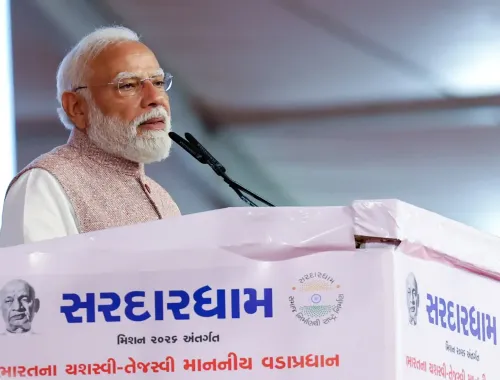
PM Modi had appealed to citizens to conserve fuel, revive WFH practices, and avoid overseas travel amid rising global energy prices.
RBI Governor Sanjay Malhotra warned that a retail fuel price hike is 'a matter of time' if the West Asia conflict continues.
The RBI's next monetary policy meeting is scheduled for 5 June , with key interest rates currently unchanged.
Crisil Ratings projects Brent crude to average $90–95 per barrel in FY27 — roughly 32% higher year-on-year.
No proposal is currently under consideration to make work-from-home mandatory for India's IT sector, government sources clarified on 13 May, pushing back against speculation that followed Prime Minister Narendra Modi's public appeal for reduced fuel consumption amid rising global energy prices. The clarification, attributed to official sources, comes as India grapples with the economic fallout of ongoing geopolitical tensions in West Asia.
What the Government Said
According to reports, government sources stated that the IT industry has largely transitioned to hybrid work models since the pandemic, making a formal directive unnecessary. Policy decisions on mandatory remote working fall under the purview of the Labour Ministry, sources noted, adding that 'nothing is in the works currently.'
The clarification is significant because it draws a clear line between a voluntary public appeal by the Prime Minister and a potential policy intervention — two very different instruments of governance.
Why Modi Urged Fuel Conservation
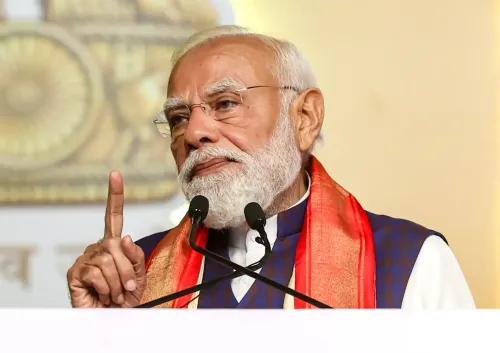
PM Modi had appealed to citizens to conserve fuel, revive work-from-home practices, limit non-essential purchases, and avoid overseas vacations as part of a broader effort to help India navigate economic pressures stemming from geopolitical tensions. Highlighting India's dependence on imported crude, Modi stressed that cutting fuel consumption would protect the country's foreign exchange reserves at a time when global energy prices are rising sharply.
The Prime Minister also urged citizens to avoid destination weddings and overseas holidays, encouraging domestic tourism and celebrations within the country instead.
RBI's Warning on Fuel Prices
Reserve Bank of India (RBI) Governor Sanjay Malhotra cautioned that if the Middle East conflict persists, India may be compelled to raise petrol and diesel prices due to soaring crude costs in the global market. The Governor said rising energy prices stemming from the Iran war are testing India's flexible inflation targeting framework and may necessitate policy intervention.
Malhotra indicated that a retail fuel price hike is 'a matter of time' if the West Asia crisis continues — a move that would push up transportation costs and feed into broader inflation. The RBI's next monetary policy meeting is scheduled for 5 June, when the central bank will decide on key interest rates, which it has so far kept unchanged to support economic growth.
Crude Oil Outlook and Inflation Risk
A report by Crisil Ratings projected that Brent crude is expected to average $90–95 per barrel in FY27, roughly 32% higher year-on-year. This trajectory, if sustained, would significantly strain India's import bill and complicate the RBI's inflation management calculus.
This is not the first time India has faced an energy-driven inflation test — the 2022 Ukraine conflict triggered a similar surge in crude prices, prompting fuel excise cuts. Whether the government reaches for the same lever this time will likely depend on how long the West Asia crisis endures and how much pressure builds on the fiscal account ahead of the 5 June policy review.
Point of View
Which is the right constitutional instinct. But the underlying pressure is real: with Crisil projecting crude at $90–95 in FY27 and the RBI Governor openly signalling a fuel price hike, the voluntary conservation pitch may have a short shelf life. India's IT sector, which has already normalised hybrid work, is an unlikely lever for energy savings at scale. The more consequential question is whether the Centre will absorb crude costs through excise cuts — as it did in 2022 — or pass them on to consumers ahead of the June policy review. That choice will define the inflation story for the rest of the fiscal year.
NationPress
29 Sept 2026
Frequently Asked Questions
Is a work-from-home mandate being considered for the IT sector in India?
No. Government sources clarified on 13 May that no proposal to mandate WFH for the IT sector is currently under consideration. The IT industry has largely adopted hybrid models since the pandemic, and any such policy would fall under the Labour Ministry, which has confirmed nothing is in the works.
Why did PM Modi appeal for work-from-home and fuel conservation?
PM Modi urged citizens to conserve fuel, revive WFH practices, and avoid overseas travel to help India manage economic pressures from ongoing geopolitical tensions in West Asia. He stressed that reducing fuel imports would protect India's foreign exchange reserves as global energy prices rise sharply.
What did the RBI Governor say about fuel prices?
RBI Governor Sanjay Malhotra warned that India may be forced to raise petrol and diesel prices if the Middle East conflict continues, calling a hike 'a matter of time.' He noted that rising energy costs are testing India's flexible inflation targeting framework and may require policy intervention at the central bank's next meeting on 5 June.
What is the crude oil price outlook for India in FY27?
Crisil Ratings projects Brent crude to average $90–95 per barrel in FY27, approximately 32% higher year-on-year. This would significantly increase India's import bill and add to inflationary pressures.
When is the RBI's next monetary policy meeting?
The Reserve Bank of India's next monetary policy meeting is scheduled for 5 June, when the central bank will decide on key interest rates. The RBI has kept rates unchanged so far to support economic growth.