Nvidia Backs Wave Energy Startup With AI Digital Twins
Synopsis
Chip giant Nvidia has spotlighted Eco Wave Power, a member of its Inception startup programme, which uses Nvidia Omniverse digital twins and accelerated computing to simulate ocean wave conditions and generate clean electricity — positioning AI tools as both a driver of energy demand and a solution to it.
Key Takeaways
Nvidia on 24 June 2026 highlighted Eco Wave Power as an Nvidia Inception programme member using AI for wave energy generation.
Eco Wave Power uses Nvidia Omniverse digital twins to simulate ocean wave conditions before physical deployment of its converters.
Nvidia Inception , launched in 2016 , provides AI hardware, software, and mentorship to early-stage startups globally.
The spotlight reflects growing industry focus on AI tools as a response to surging data-centre power demand.
Ocean wave energy remains a niche but expanding segment within global clean-energy diversification efforts.
Further Nvidia Inception announcements in renewable energy simulation are anticipated as the energy-AI nexus intensifies.
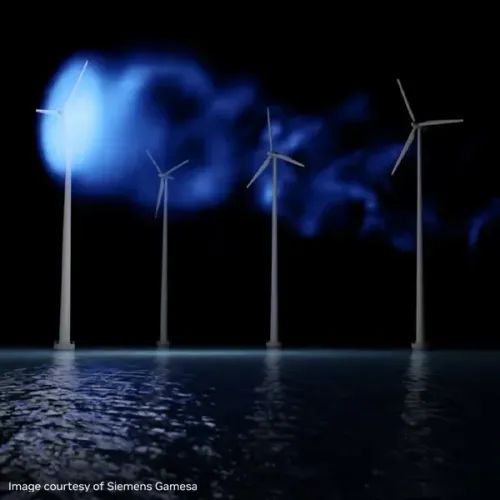
Chip giant Nvidia on Wednesday, 24 June 2026 spotlighted Eco Wave Power, a member of its Nvidia Inception startup programme, highlighting how the company is using Nvidia Omniverse digital twins and accelerated computing to simulate ocean wave conditions and advance onshore wave energy conversion technology.
Context
In its post, Nvidia stated: 'The next era of AI will be defined by energy — how we scale it and where we get it from.' The company framed Eco Wave Power as a direct answer to that challenge, noting the firm 'has found a solution in the sea.' Eco Wave Power develops onshore wave energy conversion systems that generate electricity from ocean waves, positioning it within the fast-growing segment of marine renewables.
The collaboration centres on Nvidia Omniverse, Nvidia's platform for building real-time digital twins using accelerated computing and simulation. By running virtual models of wave behaviour before physical deployment, Eco Wave Power can reduce engineering risk and optimise the placement and design of its energy converters.
Policy Backdrop
Nvidia Inception, launched in 2016, is the company's global accelerator programme providing AI hardware, software resources, and mentorship to early-stage companies. The programme has grown to encompass thousands of startups across sectors, with energy simulation now emerging as a prominent use case as AI-driven power demand at data centres climbs sharply.
Major technology firms have accelerated investment in energy-related simulation tools precisely because data-centre electricity consumption has become a strategic concern. Digital-twin technology is increasingly being applied across the renewables spectrum — wind, solar, and now ocean wave — to model variable natural resources before costly physical infrastructure is committed.
Stakeholders and Impact
The announcement is significant for renewable energy startups seeking to leverage enterprise-grade AI infrastructure without bearing its full cost. Nvidia Inception membership provides access to Omniverse and accelerated computing at preferential terms, effectively lowering the barrier for capital-light clean-energy innovators to run high-fidelity simulations.
For AI data-centre operators and policymakers tracking the energy-AI nexus, the Eco Wave Power case represents a model where AI tools simultaneously consume power and help discover new sources of it. Ocean energy remains a niche but expanding segment within broader national clean-energy diversification strategies globally, including India's own push under its National Action Plan on Climate Change.
What's Next
Nvidia's public highlighting of an Inception member focused on wave energy signals the company is actively curating its startup ecosystem around the energy supply challenge — a theme Jensen Huang has repeatedly emphasised as central to AI's long-term scalability. Observers will watch for additional Inception spotlights in wave, wind, and solar simulation, as well as any related government ocean-energy permitting reforms that could accelerate commercial deployment.
As AI infrastructure demand continues to strain conventional power grids, the intersection of accelerated computing and alternative energy sourcing is likely to become a defining policy and investment frontier through the remainder of the decade.
Point of View
Where the government is aggressively courting AI investment while simultaneously expanding its renewable energy targets, the signal is relevant — AI infrastructure and clean energy are increasingly co-dependent. The broader pattern suggests that chip and platform companies will play an unexpectedly prominent role in shaping the next generation of energy policy debates.
NationPress
25 Jun 2026
Frequently Asked Questions
What is Nvidia Inception and how does it help startups?
Nvidia Inception is a global accelerator programme launched in 2016 that provides early-stage companies with access to Nvidia AI hardware, software tools including Omniverse, and mentorship — helping startups build and scale AI-powered products without bearing the full infrastructure cost.
What does Eco Wave Power do?
Eco Wave Power develops onshore wave energy conversion systems that capture energy from ocean waves and convert it into electricity, representing a niche but growing segment of marine renewable energy.
How is Nvidia Omniverse used in renewable energy?
Nvidia Omniverse is a platform for building real-time digital twins using accelerated computing. In renewable energy, it allows companies like Eco Wave Power to simulate variable natural conditions — such as wave behaviour — virtually before committing to expensive physical infrastructure.
Why is Nvidia interested in energy solutions?
As AI workloads drive soaring electricity demand at data centres, Nvidia has a strategic interest in supporting technologies that expand energy supply. The company has framed the 'next era of AI' as being defined by how the industry scales energy and where it sources power from.
What is wave energy and is it relevant to India?
Wave energy converts the kinetic and potential energy of ocean waves into electricity. India, with a long coastline and ambitious renewable energy targets under its National Action Plan on Climate Change , has growing policy interest in diversifying beyond solar and wind into marine energy sources.