Nvidia Brings AI Agents to Telecom Ops at DTW Ignite
Synopsis
Chip giant Nvidia unveiled a data, model, simulation, and secure runtime stack at DTW Ignite on 23 June 2026, enabling telecom operators to deploy trusted, round-the-clock AI agents for autonomous network management — a move that deepens its push into critical communications infrastructure globally.
Key Takeaways
Nvidia announced a full AI stack — data, models, simulation, and secure runtime — for telecom operators at DTW Ignite on 23 June 2026 .
The stack is designed to enable agentic AI workflows that operate autonomously, 24/7 , across telecom networks.
A secure runtime component addresses cybersecurity and compliance requirements central to deploying AI in critical communications infrastructure.
The announcement was made alongside an ecosystem of partners, though specific partner names were not detailed in the post.
Indian telcos managing 4G and 5G rollouts are among the global operators who could adopt such automation technology.
The move intensifies competition among AI and GPU providers targeting the growing telco automation market segment.
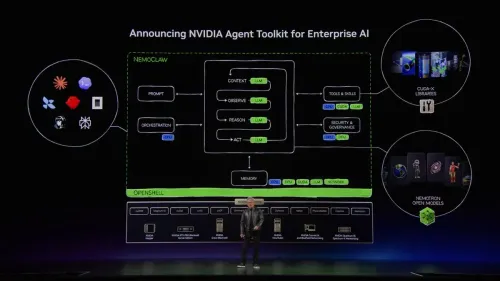
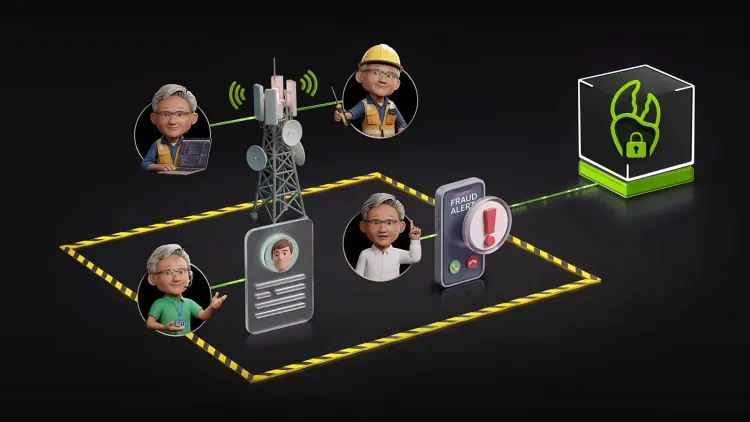
Chip giant Nvidia announced on Tuesday, 23 June 2026 that it is showcasing a full stack — spanning data, models, simulation, and secure runtime — designed to help telecommunications operators build trusted, around-the-clock AI agents capable of running autonomous network operations, at the industry event DTW Ignite.
In its post on X, Nvidia described the initiative as enabling telcos to 'build more secure agentic workflows across autonomous networks and operations,' with the stack developed alongside an ecosystem of partners. The announcement positions Nvidia squarely at the intersection of AI infrastructure and next-generation telecom automation.
Context
The unveiling comes at DTW Ignite, one of the telecom industry's leading forums for digital transformation and network innovation. Nvidia has steadily expanded its footprint in the telecom sector over recent years, extending its GPU and AI Enterprise platforms to address 5G and edge-computing use cases. The latest showcase represents a step further — moving from AI-assisted operations to fully agentic, self-governing network workflows.
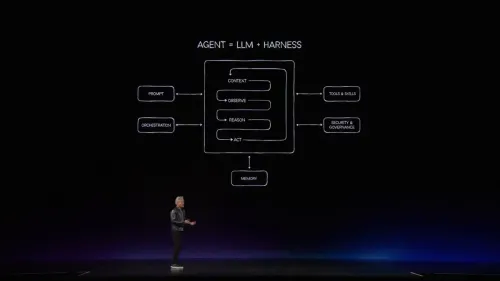
Agentic AI refers to systems that can plan, decide, and act with minimal human intervention, operating continuously rather than responding to discrete queries. For telecom operators managing sprawling, complex networks, the promise is near-zero-touch automation: networks that monitor, diagnose, and heal themselves in real time.
Policy Backdrop
Globally, regulators and standards bodies have begun framing guidelines around AI deployment in critical communications infrastructure, with cybersecurity and reliability at the centre of those discussions. Nvidia's explicit emphasis on a 'secure runtime stack' signals awareness of these compliance demands — telecom networks carry sensitive citizen and enterprise data, and any AI agent operating within them must meet stringent security benchmarks.
India's own telecom regulator and the Department of Telecommunications have been actively encouraging network automation and indigenous AI adoption as part of the country's broader digital infrastructure push, making international developments in this space directly relevant to Indian operators and policymakers.
Stakeholders and Impact
The primary beneficiaries of Nvidia's telecom AI stack are telecommunications operators — companies running mobile, broadband, and enterprise connectivity networks — as well as the network equipment vendors that supply and integrate the underlying hardware. For these players, agentic AI offers the prospect of dramatically lower operational costs and faster fault resolution.
Indian telcos, which are simultaneously managing the tail-end of 4G rollouts and early 5G deployments across a geographically diverse and densely populated market, stand to be significant consumers of such technology. The simulation component of Nvidia's stack is particularly relevant: operators can model network behaviour in virtual environments before deploying changes on live infrastructure, reducing the risk of outages.
The announcement also intensifies competition among GPU and software providers seeking to capture lucrative telco AI workloads, a market segment that analysts expect to grow sharply as carriers accelerate automation investments through the decade.
What's Next
Industry watchers will now track whether major carriers — including Indian operators — announce integration milestones or pilot programmes built on Nvidia's telecom AI stack. Broader adoption signals are likely to surface at upcoming industry gatherings and through carrier earnings disclosures. The evolution of international standards for AI agents in telecom, and how regulators in markets such as India respond, will shape the pace at which these tools move from showcase to commercial deployment.
As 6G research accelerates worldwide, the frameworks being laid today for agentic AI in 5G networks are expected to serve as the architectural foundation for the next generation of communications infrastructure — making Nvidia's current positioning a long-term strategic bet on the future of global connectivity.
Point of View
Nvidia is pre-empting the compliance scrutiny that regulators in the European Union, India, and elsewhere are beginning to apply to AI in critical infrastructure. This positions the company not merely as a hardware vendor but as an end-to-end platform provider in a sector where switching costs are high and long-term contracts are the norm. For Indian policymakers pushing domestic 5G adoption and AI-led network modernisation, the global direction being set at forums like DTW Ignite will inevitably shape the technology choices of Indian carriers.
NationPress
22 Sept 2026
Frequently Asked Questions
What did Nvidia announce at DTW Ignite 2026?
Nvidia announced a comprehensive AI stack — covering data, models, simulation, and secure runtime — to help telecom operators deploy trusted, 24/7 AI agents for autonomous network and operations management.
What is agentic AI in telecom?
Agentic AI refers to artificial intelligence systems that can plan, decide, and act autonomously with minimal human input, enabling near-zero-touch management of telecom networks — from fault detection to self-healing operations.
Why is secure runtime important for AI in telecom?
Telecom networks carry sensitive citizen and enterprise data, so any AI agent operating within them must meet strict cybersecurity and regulatory standards; a secure runtime environment ensures AI actions remain auditable, contained, and compliant.
How does this affect Indian telecom operators?
Indian telcos managing large-scale 4G and 5G deployments could adopt Nvidia's agentic AI stack to automate network operations, reduce costs, and improve reliability, particularly relevant as India accelerates its 5G rollout.