Nvidia highlights open protein dataset in reply to Google DeepMind
Synopsis
Nvidia pointed Google DeepMind followers to a new open protein dataset blog post on 24 September 2026, reinforcing the growing alignment between GPU infrastructure leaders and AI-driven open biology research following DeepMind's landmark AlphaFold2 release in 2021.
Key Takeaways
Nvidia replied to Google DeepMind on 24 September 2026 , linking to a new post on an open protein dataset at blogs.nvidia.com/blog/open-protein-dataset/ .
Google DeepMind revolutionised structural biology with AlphaFold2 in 2021 , opening large protein-structure databases to global researchers.
Nvidia supplies the GPU hardware essential for training and running large-scale protein-folding AI models.
Technology firms increasingly release open biological datasets to accelerate AI-driven life-sciences research — a trend Nvidia is now visibly joining.
For Indian AI and biotech researchers, richer GPU-optimised open protein data could lower barriers to drug-discovery and protein-engineering work.
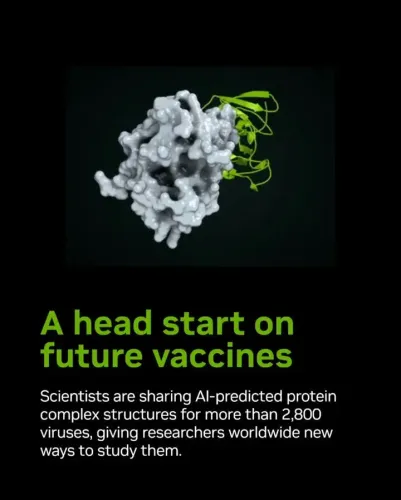
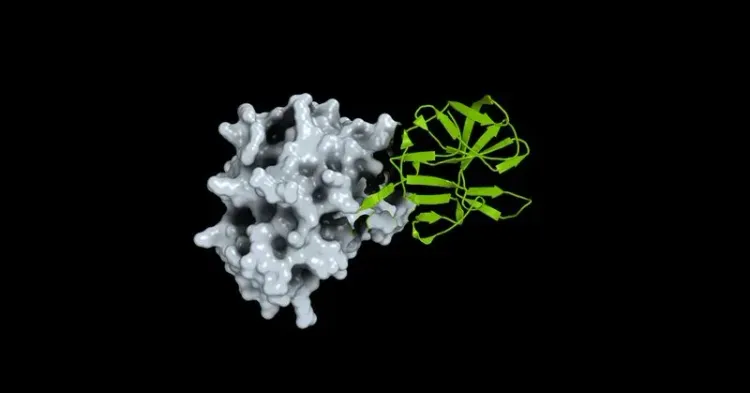
Where biology meets raw compute power, a quiet but consequential signal just landed. Chip giant Nvidia replied to Google DeepMind on X on Thursday, 24 September 2026, pointing followers to a new blog post on an open protein dataset — a move that underscores how GPU makers are stepping directly into the open-science arena alongside AI research labs.
Nvidia's GPU muscle meets protein science
Nvidia's post was spare — just a nudge: 'Read the story' with a link to blogs.nvidia.com/blog/open-protein-dataset/. But the context it lands in is anything but quiet. Google DeepMind reshaped structural biology when it released AlphaFold2 in 2021, unleashing large-scale protein structure predictions that had eluded scientists for decades. The move eventually opened related databases to researchers worldwide and set a gold standard for AI-driven open science.
Nvidia sits at the hardware layer that makes all of it possible. Training and running large protein-folding models demands massive parallel compute — precisely what Nvidia's GPUs deliver. By amplifying a DeepMind thread and directing audiences to its own blog on a protein dataset, the company is signalling that it is not merely a supplier to this revolution; it wants a visible role in shaping how open biological data flows through the research community.
The open-dataset momentum in AI biology
The exchange fits a fast-moving pattern: technology firms are increasingly releasing or spotlighting open datasets to accelerate AI-driven biology. Earlier efforts — from the Protein Data Bank's curated structural archives to DeepMind's AlphaFold database — created a compounding open-science stack that independent labs, pharmaceutical researchers, and university groups now build on daily.
Nvidia's entry into this conversation, even as an amplifier, matters because it signals that the hardware ecosystem is aligning around open biological data as a strategic priority — not just a side project. When the company that supplies the GPUs starts publishing and promoting protein datasets, the feedback loop between compute infrastructure and life-sciences research tightens further.
What researchers and biologists should watch next
The immediate question is what the linked dataset contains and how it complements or extends existing open protein repositories. Subsequent dataset releases, and any joint AI-biology tools emerging from hardware vendors and research labs together, will reveal how deep this alignment runs. For Indian AI and biotech researchers — a community that has leaned heavily on open AlphaFold data for drug-discovery pipelines — a richer, GPU-optimised open protein corpus could meaningfully lower the barrier to entry for next-generation protein engineering work.
Open datasets are only as powerful as the compute available to process them. And right now, the company that controls much of that compute is telling you: this dataset is worth your time.
Point of View
Where infrastructure vendors bundled datasets and frameworks to deepen developer lock-in. The key question is whether Nvidia's dataset is genuinely differentiated — offering GPU-optimised formats or novel protein structures — or primarily a brand-positioning exercise riding DeepMind's scientific credibility.
NationPress
24 Sept 2026
Frequently Asked Questions
What is the Nvidia open protein dataset?
Nvidia published details of an open protein dataset on its official blog, highlighted in a reply to Google DeepMind on 24 September 2026. The dataset is designed to support AI-driven biology and protein research, though the exact contents of the blog post have not been independently verified beyond the link shared.
What is Google DeepMind's AlphaFold and why does it matter?
Google DeepMind's AlphaFold2, released in 2021, used AI to predict protein structures with near-experimental accuracy — a problem that had stumped biologists for 50 years. DeepMind subsequently opened related databases to researchers worldwide, dramatically accelerating drug discovery and molecular biology.
Why is Nvidia involved in protein science research?
Nvidia's GPUs provide the massive parallel computing power needed to train and run large protein-folding AI models. By releasing and promoting open protein datasets, Nvidia is positioning itself as an active participant in AI-driven biology, not just a hardware supplier.
How can Indian researchers benefit from open protein datasets?
Indian AI and biotech research communities have actively used open data like the AlphaFold database for drug-discovery pipelines. A GPU-optimised open protein dataset from Nvidia could lower compute barriers and expand the scope of protein engineering projects in Indian labs and startups.
Is there a formal partnership between Nvidia and Google DeepMind on this dataset?
No formal partnership has been announced. Nvidia's post was a reply to Google DeepMind on X, directing users to Nvidia's own blog. It signals alignment around open-science goals but does not confirm a joint collaboration based on currently available information.