Rabi Conference 2026: Centre-State farm coordination on agenda Sep 28–29
Synopsis
India's agriculture establishment convenes in New Delhi on 28–29 September for the National Rabi Campaign Conference 2026 — with pulse self-sufficiency, digital farming tools, and climate-resilient agriculture at the top of the agenda, as the critical sowing window approaches.
Key Takeaways
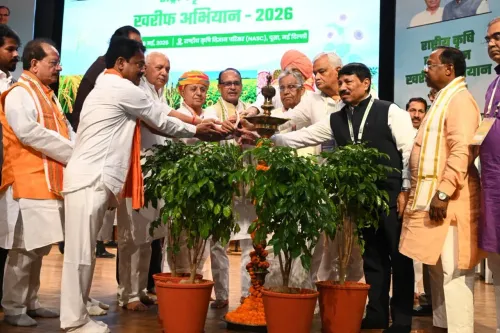
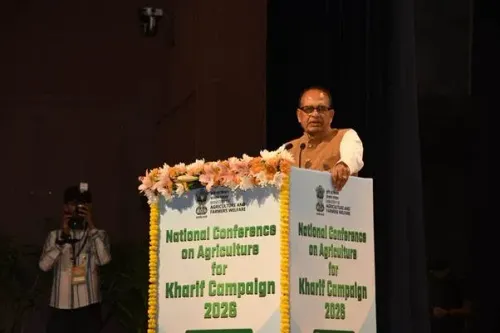
The National Conference on Agriculture for Rabi Campaign 2026 will be held in New Delhi on 28–29 September 2026 .
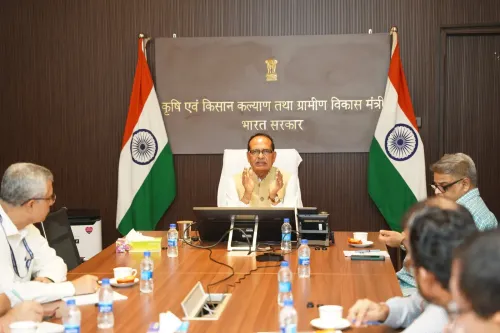
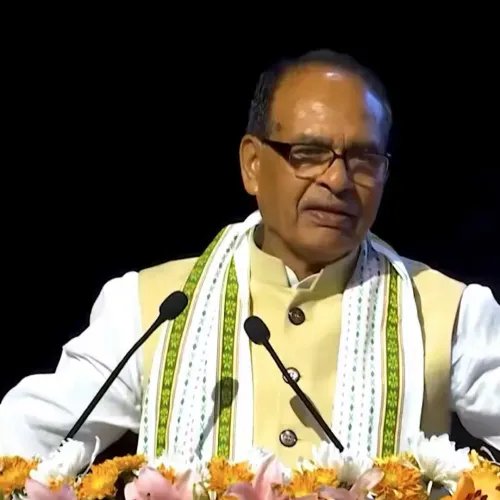
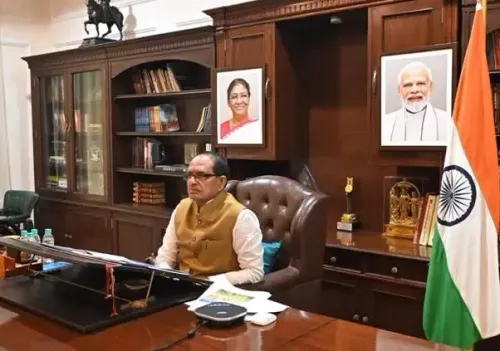
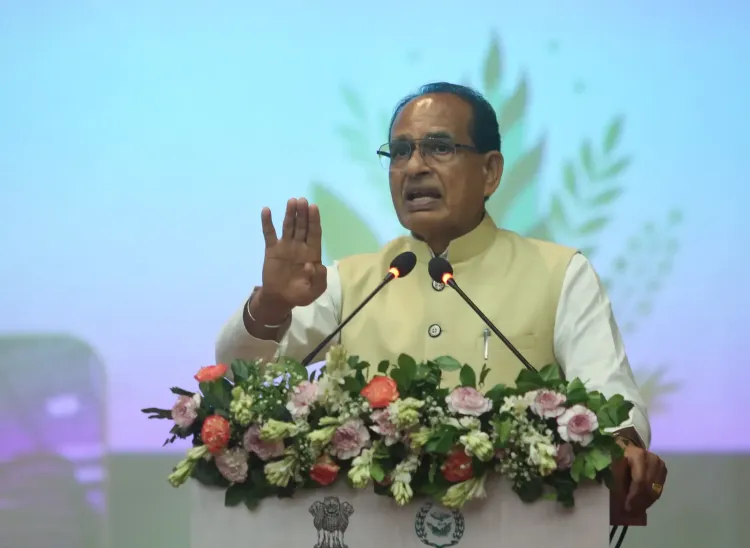
Agriculture Minister Shivraj Singh Chouhan will inaugurate the conference, which brings together state agriculture ministers, ICAR officials, and central government representatives.
Day One covers thematic discussions on Atmanirbharta in Pulses , climate-resilient agriculture, digital agriculture, and farm financing.
Day Two addresses Rabi weather outlook , fertiliser availability, Digital Agriculture Mission , AgriStack , and National Mission on Edible Oils .
The conference will build on learnings from recently held Zonal Conferences on Agriculture to shape a coordinated national Rabi strategy.
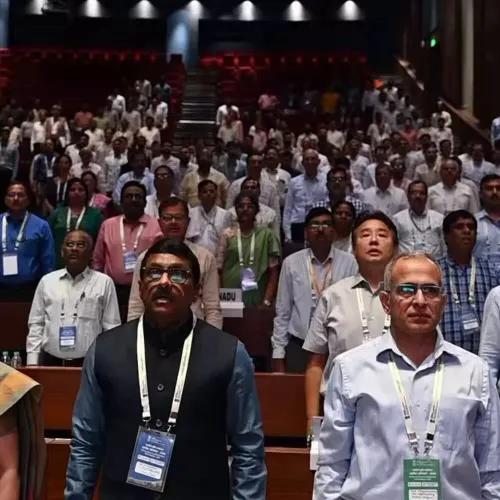
The Department of Agriculture and Farmers' Welfare will host the 'National Conference on Agriculture for Rabi Campaign 2026' in New Delhi on 28–29 September 2026, bringing together state agriculture ministers, senior central and state government officials, the Indian Council of Agricultural Research (ICAR), and other stakeholders to chart a coordinated strategy for the upcoming Rabi season.
What the Conference Sets Out to Achieve
According to an official statement, the two-day meet will focus on strengthening Centre–State coordination and evolving an outcome-oriented approach to boosting agricultural production, productivity, sustainability, and farmers' incomes. The deliberations will also build on key learnings from recently concluded Zonal Conferences on Agriculture.
The conference will be inaugurated by Agriculture Minister Shivraj Singh Chouhan, who is expected to set the agenda for Rabi preparedness across the country.
Day One: Thematic Group Discussions
The first day will feature three rounds of parallel thematic group discussions covering three broad areas: Atmanirbharta, Diversification and Production Growth; Sustainability and Climate-Resilient Agriculture; and Digital Agriculture, Infrastructure, Financing and Risk Management.
Key topics on the table include the Mission for Aatmanirbharta in Pulses, oilseeds and oil palm, horticulture, cotton, seed availability and value-chain reforms, natural farming, soil health, farm mechanisation, FPO financing, marketing reforms, PM Dhan-Dhaanya Krishi Yojana, Kisan Credit Card coverage, Digital Agriculture, PM Fasal Bima Yojana, plant protection, and agricultural statistics.
Day Two: Weather Outlook, Inputs and State Priorities
The second day will consolidate the outcomes of Day One and focus on actionable Rabi-season preparedness. The agenda includes the Rabi season weather outlook, fertiliser availability and balanced use of fertilisers, the Digital Agriculture Mission, Farmer Registry, Digital Crop Survey, AgriStack, the National Mission on Edible Oils, crop and seed status, varietal adoption, and preparation of Agriculture Plans through ATMA and KVKs.
State Agriculture Ministers will also be given a dedicated platform to share their experiences, state-level priorities, and suggestions for agricultural development and Rabi season preparedness — a format designed to ensure ground-level realities inform national planning.
Why This Conference Matters
Rabi crops — primarily wheat, mustard, chickpea, and lentils — are sown in the October–November window and harvested in spring. Adequate preparation in terms of seed supply, fertiliser availability, credit access, and weather advisories can significantly influence yields. India's self-sufficiency in pulses and edible oils remains a persistent policy challenge; the conference's heavy focus on the Mission for Aatmanirbharta in Pulses and the National Mission on Edible Oils reflects the government's push to reduce import dependence in both categories.
With digital tools such as AgriStack and the Digital Crop Survey now being mainstreamed, this edition of the national Rabi conference represents an attempt to integrate technology-led monitoring with traditional extension systems like KVKs and ATMA, ahead of the critical sowing season.
Point of View
And past missions on these fronts have delivered mixed results. The integration of AgriStack and Digital Crop Survey into this year's agenda signals an intent to build a real-time data layer over agricultural planning, but the gap between pilot and scale remains wide. The real test of Centre–State coordination is not the conference itself but whether state-level agriculture plans generated through ATMA and KVKs are resourced and monitored post-event. Without accountability mechanisms, such conferences risk becoming well-attended policy exercises with limited on-ground follow-through.
NationPress
27 Sept 2026
Frequently Asked Questions
What is the National Conference on Agriculture for Rabi Campaign 2026?
It is a two-day national conference organised by the Department of Agriculture and Farmers' Welfare in New Delhi on 28–29 September 2026 to plan for the upcoming Rabi crop season. The conference brings together state agriculture ministers, central government officials, ICAR, and other stakeholders to align on production, sustainability, and farmers' income goals.
Who is inaugurating the Rabi Conference 2026?
Agriculture Minister Shivraj Singh Chouhan will inaugurate the conference on 28 September 2026. State Agriculture Ministers and senior officials from both central and state governments are expected to participate.
What key agricultural missions will be discussed at the conference?
Key discussions will cover the Mission for Aatmanirbharta in Pulses, the National Mission on Edible Oils, PM Dhan-Dhaanya Krishi Yojana, PM Fasal Bima Yojana, the Digital Agriculture Mission, and the Kisan Credit Card scheme, among others.
What is the significance of the Rabi season for Indian agriculture?
Rabi crops — including wheat, mustard, chickpea, and lentils — are sown in October–November and harvested in spring. Adequate pre-season planning on seeds, fertilisers, credit, and weather advisories is critical to ensuring food security and farmers' incomes.
What is AgriStack and why is it on the conference agenda?
AgriStack is India's digital public infrastructure for agriculture, comprising tools like the Farmer Registry and Digital Crop Survey. It is being mainstreamed to improve data accuracy, targeting of subsidies, and real-time crop monitoring — making it a central element of the government's digital agriculture push for Rabi 2026.