Russia-China youth space camp targets Southeast Asia, set for Penang in 2027
Synopsis
A Russian astronaut trainer from the Yuri Gagarin Cosmonaut Training Centre, China's Shanghai Science and Technology Museum, and a Malaysian collaborator are jointly building a youth space camp in Penang's rainforest — framing grassroots science diplomacy as an alternative to state-led space rivalry.
Key Takeaways
Timofey Egorov , a trainer at the Yuri Gagarin Cosmonaut Training Centre near Moscow , is co-leading the camp alongside the Shanghai Science and Technology Museum and Malaysian initiator Winfred Khoo .
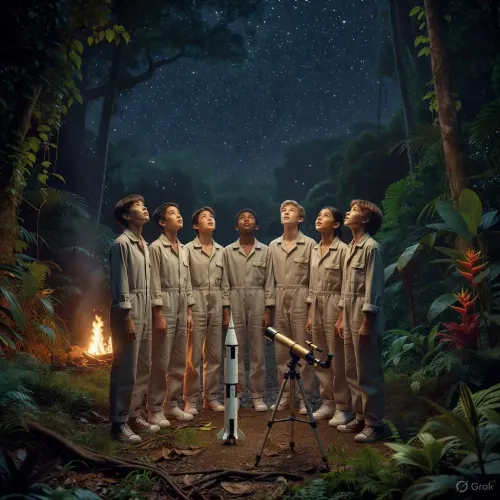
The week-long camp is planned for a rainforest eco-park in Penang, Malaysia , with an opening no earlier than late 2027 .
The programme targets children aged seven to 17 from across Southeast Asia , combining space science, physical training, and ethical education.
Egorov described the initiative as 'people's diplomacy' — a citizen-led model distinct from official state space programmes.
The project was publicly presented at the Commonwealth of World Chinatowns conference in Penang in September 2026 .
The camp exists alongside major state space projects including China's Tiangong space station and the planned International Lunar Research Station .
A trilateral initiative bringing together Russian, Chinese, and Malaysian collaborators is developing an international youth space camp targeting participants from across Southeast Asia, with the programme slated to launch in Penang, Malaysia, no earlier than late 2027. The week-long residential camp will welcome children aged seven to 17 and is designed to cultivate the next generation of scientists, spacefarers, and globally minded citizens.
What the programme involves
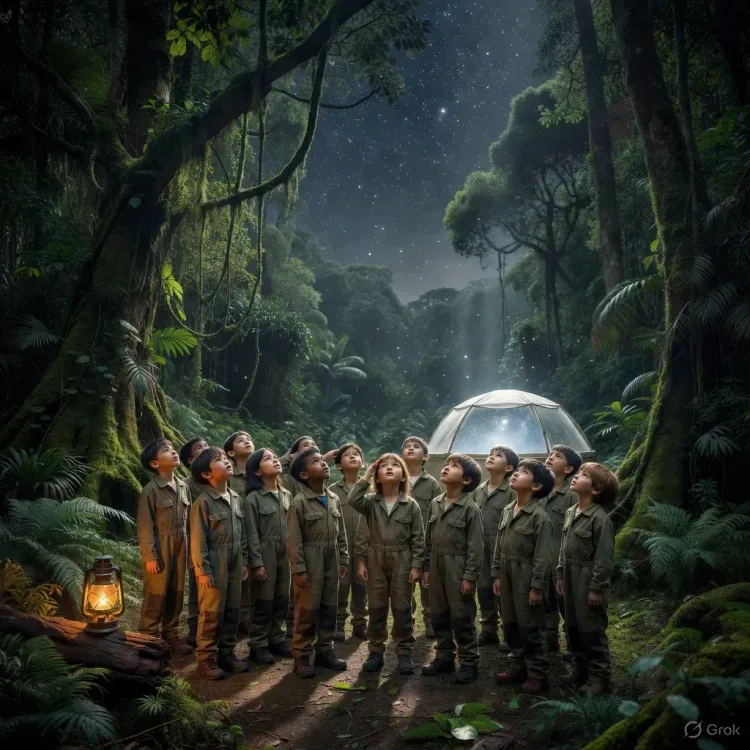
The camp will be hosted at a rainforest eco-park in Penang and will combine physical exercises, immersive instruction in space and natural sciences, and ethical education aimed at building positive personality traits. The curriculum has been co-developed by Russian astronaut trainer Timofey Egorov, the Shanghai Science and Technology Museum, and Malaysian project initiator Winfred Khoo. The format draws on Russia's established tradition of nature-based youth space camps, according to Egorov.
Who is behind it
Timofey Egorov is attached to the Yuri Gagarin Cosmonaut Training Centre, located just outside Moscow, one of the world's most storied astronaut preparation facilities. He characterised the initiative as an exercise in 'people's diplomacy' — a citizen-led, non-governmental approach to international cooperation distinct from state-directed space programmes. Egorov presented the project at the Commonwealth of World Chinatowns conference held in Penang in September 2026.
Why it matters
The camp arrives as major powers accelerate militarised and state-led space ventures, including the International Space Station, China's Tiangong space station, and the jointly planned International Lunar Research Station. Against that backdrop, a grassroots trilateral programme focused on youth education represents an unconventional diplomatic channel. Penang, a Malaysian state recognised for its multicultural heritage, provides a symbolically apt venue for a project bridging Russian, Chinese, and Southeast Asian communities.
The competitive backdrop
The initiative emerges at a moment when both Russia and China are deepening space cooperation through official bilateral frameworks, including joint lunar exploration planning. A people-to-people programme anchored in Southeast Asia — a region courted by multiple great powers — adds a soft-power dimension that operates below the level of formal treaties. The involvement of the Shanghai Science and Technology Museum, a major Chinese public science institution, signals institutional backing even within an ostensibly grassroots format.
What's next
Organisers have not announced a firm date beyond 'late 2027 at the earliest', leaving the timeline contingent on logistical and funding milestones. Whether the camp scales beyond a pilot cohort — and which Southeast Asian nations send participants — will be the key indicators of the programme's long-term viability. The project's progress is likely to be closely watched as a barometer of informal Russia-China-ASEAN cooperation in science education.
Point of View
The organisers sidestep the geopolitical scrutiny that formal bilateral space agreements attract. What mainstream coverage tends to underplay is the institutional weight behind the 'grassroots' label — the Shanghai Science and Technology Museum is a state-affiliated body, and the Yuri Gagarin Cosmonaut Training Centre is a federal Russian facility. Southeast Asia is a primary arena for great-power influence competition, and science education pipelines have historically served as durable long-term engagement tools. The real story is not the camp itself but whether it seeds a broader Russia-China-ASEAN science diplomacy architecture that outlasts any single programme.
NationPress
24 Sept 2026
Frequently Asked Questions
What is the Russia-China youth space camp in Malaysia?
It is a planned week-long international youth space camp to be held in a rainforest eco-park in Penang, Malaysia , targeting children aged seven to 17 from across Southeast Asia . The programme was co-developed by Russian astronaut trainer Timofey Egorov , the Shanghai Science and Technology Museum , and Malaysian initiator Winfred Khoo .
When will the Penang youth space camp take place?
The camp is scheduled to open no earlier than late 2027 , according to the organisers. No firm date has been confirmed, and the timeline depends on logistical and funding milestones being met.
Who is Timofey Egorov?
Timofey Egorov is a Russian astronaut trainer based at the Yuri Gagarin Cosmonaut Training Centre , located just outside Moscow . He co-developed the Penang youth space camp curriculum and presented the project at the Commonwealth of World Chinatowns conference in Penang in September 2026 .
Why is the space camp being held in Penang, Malaysia?
Penang was chosen as the host location, with the camp set inside a rainforest eco-park that supports the programme's blend of space science and nature-based education. The Malaysian state is also recognised for its multicultural heritage, making it a symbolically fitting venue for a trilateral Russia-China-Malaysia initiative.
How does this camp relate to broader Russia-China space cooperation?
The camp is a people-to-people initiative rather than an official state programme, though it involves institutions with government affiliations in both Russia and China . It runs parallel to formal bilateral space projects such as the planned International Lunar Research Station and China's Tiangong space station , adding a soft-power, education-focused dimension to the broader Russia-China space partnership.