Seoni Jumbo Custard Apple gets GI Tag, a win for 3,000 tribal farmers in MP
Synopsis
Seoni's oversized Sitafal — weighing up to a kilogram — has just earned a GI tag after three years of documentation and scrutiny. For 3,000 tribal families in Madhya Pradesh's forested Chhapara block, this is more than a certification: it is a legal shield against imitation and a direct ticket to premium national and international markets.
Key Takeaways
The Seoni Jumbo Custard Apple (Sitafal) has been awarded the GI tag by the Geographical Indications Registry, Chennai , in June 2025 .
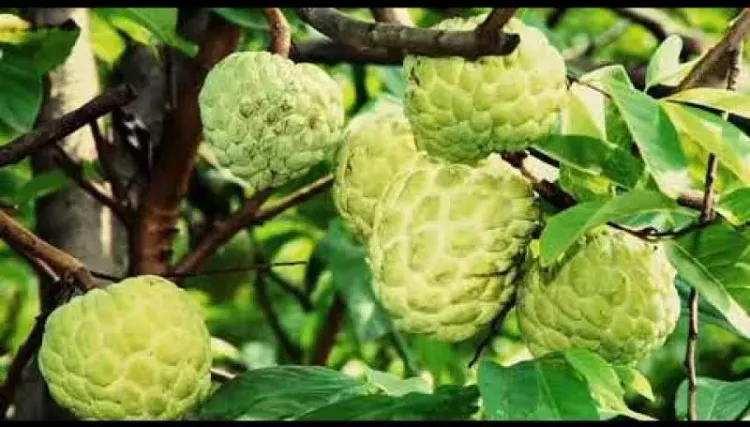
The fruit, grown in the Bhutbandhani area, Chhapara block , weighs between 200 grams and 1 kilogram and is prized for its sweetness and creamy texture.
The application was filed in 2023 by the Bhutbandhani FPO with support from the state Horticulture Department , following three years of scrutiny.
Approximately 3,000 tribal families in Seoni are expected to benefit through better pricing, exports, and branding opportunities.
The GI tag is distinct from Seoni Malwa in Narmadapuram district, resolving earlier geographical confusion.
Madhya Pradesh's GI portfolio also includes the Indori Malwi potato and Ratlam Garadu .
The Jumbo Custard Apple (Sitafal) from Seoni district in Madhya Pradesh has been officially awarded the Geographical Indication (GI) tag by the Geographical Indications Registry in Chennai, in a landmark recognition for the region's horticultural heritage. The certification, issued in June 2025, is expected to transform the economic prospects of roughly 3,000 tribal farming families who cultivate this prized fruit.
What Makes Seoni's Sitafal Unique
The Seoni Jumbo Custard Apple is cultivated primarily in the wild and natural tracts of the Bhutbandhani area within the Chhapara block of Seoni. These fruits are distinguished by their exceptional size — typically weighing between 200 grams and up to 1 kilogram — along with superior sweetness, a creamy texture, and a rich nutritional profile.
The region's distinctive soil composition, microclimate, and generations-old farming practices in forested tracts are credited for the fruit's larger dimensions and unique flavour, setting it apart from custard apple varieties grown elsewhere in the country. Notably, the GI tag is specific to Seoni and does not extend to Seoni Malwa in Narmadapuram (Hoshangabad) district — a clarification that eliminates earlier geographical confusion.
How the GI Tag Was Secured
The application for the GI tag was filed in 2023 by representatives of the Bhutbandhani Farmer Producer Organisation (FPO), including Sadam Singh Barkade and Rajkumar Bhalavi, in collaboration with the state Horticulture Department. The process involved three years of rigorous scrutiny, detailed documentation of geographical specificity, and verification of quality parameters before the Registry granted approval.
The GI certification now provides legal protection against imitation products and establishes a framework for enhancing the fruit's market value at both national and international levels.
Impact on Tribal Farmers and Local Economy
For the approximately 3,000 tribal families engaged in custard apple cultivation around Seoni, the GI tag opens concrete pathways to better pricing, export opportunities, organised branding, and agri-tourism. Officials from the Horticulture Department indicated the tag will empower FPOs, promote sustainable farming practices, and help preserve traditional knowledge associated with the crop.
The Seoni Jumbo Sitafal is now positioned to compete as a premium product alongside other GI-tagged fruits such as the Beed Custard Apple from Maharashtra. Industry observers note that GI status typically delivers a measurable price premium at wholesale and retail levels within two to three seasons of recognition.
Madhya Pradesh's Growing GI Portfolio
This recognition arrives as Madhya Pradesh actively expands its GI portfolio. Recent additions include the Indori Malwi potato and Ratlam Garadu, signalling a broader state push to protect and monetise indigenous agricultural produce. Officials say the strategy aims to link institutional support with rural livelihoods, using GI certification as a tool for both economic upliftment and biodiversity conservation.
With export channels and premium branding now within reach, the Seoni Jumbo Custard Apple's GI recognition marks a significant step toward integrating tribal agricultural communities into higher-value market ecosystems.
Point of View
But the harder work begins now. India's GI registry has over 600 certified products, yet a large share remain commercially invisible because branding, logistics, and export linkages were never built out after certification. The Bhutbandhani FPO and the Madhya Pradesh Horticulture Department must move quickly to establish a traceable supply chain, set quality grading standards, and connect tribal growers to organised buyers — otherwise the tag risks becoming a plaque on the wall rather than a price premium in the market. The comparison with Beed Custard Apple from Maharashtra is instructive: GI status alone did not drive scale there either; it required sustained procurement and retail partnerships.
NationPress
29 Jun 2026
Frequently Asked Questions
What is the GI tag awarded to Seoni's Jumbo Custard Apple?
The Geographical Indication (GI) tag is a certification issued by the Geographical Indications Registry in Chennai that legally recognises the Seoni Jumbo Custard Apple as a product uniquely linked to its place of origin. It protects the fruit from imitation and helps establish it as a premium product in national and international markets.
Which area in Seoni is specifically covered by the GI tag?
The GI tag covers custard apples grown in the Bhutbandhani area within the Chhapara block of Seoni district, Madhya Pradesh. It does not extend to Seoni Malwa in Narmadapuram (Hoshangabad) district, resolving earlier geographical confusion.
Who applied for the GI tag and how long did it take?
The application was filed in 2023 by Sadam Singh Barkade and Rajkumar Bhalavi of the Bhutbandhani Farmer Producer Organisation, in collaboration with the Madhya Pradesh Horticulture Department. The Registry granted approval after three years of rigorous scrutiny and documentation.
How will the GI tag benefit farmers in Seoni?
Around 3,000 tribal farming families involved in custard apple cultivation are expected to gain access to better pricing, export opportunities, organised branding, and agri-tourism. The tag also provides legal protection against counterfeit products using the Seoni name.
How does Seoni's GI tag fit into Madhya Pradesh's broader strategy?
Madhya Pradesh has been actively expanding its GI portfolio, with recent certifications including the Indori Malwi potato and Ratlam Garadu. The state is using GI recognition as a tool to protect indigenous agricultural produce and improve rural livelihoods through institutional support.