SpaceX delays 2026 Starship launch over hydraulic pin fault
Synopsis
SpaceX scrubbed its first Starship test launch of 2026 after a hydraulic pin failed to retract on the launch tower arm. CEO Elon Musk confirmed the fault on X and said a 24-hour turnaround fix could put the rocket back on the pad the following day — keeping the program's 2026 momentum on a knife's edge.
Key Takeaways
SpaceX postponed the first Starship test launch of 2026 on Thursday evening due to a last-minute mechanical fault.
CEO Elon Musk confirmed on X that a 'hydraulic pin holding the tower arm in place did not retract' , causing the scrub.
SpaceX said it would attempt to fix the problem overnight and retry the launch the following day if repairs succeed.
Starship is SpaceX 's fully reusable spacecraft selected by NASA for the Artemis III crewed lunar landing mission.
The program has logged incremental milestones since its first integrated flight test in April 2023 , including booster catch attempts in 2024 .
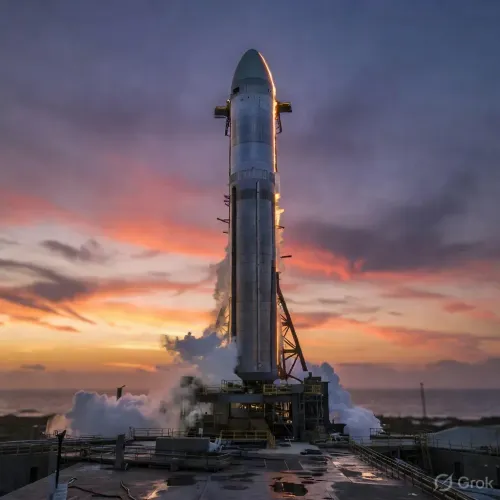
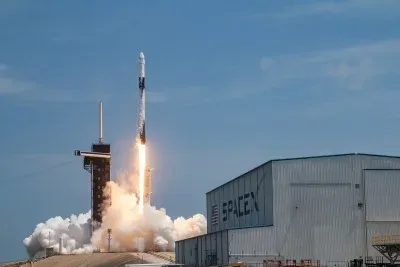
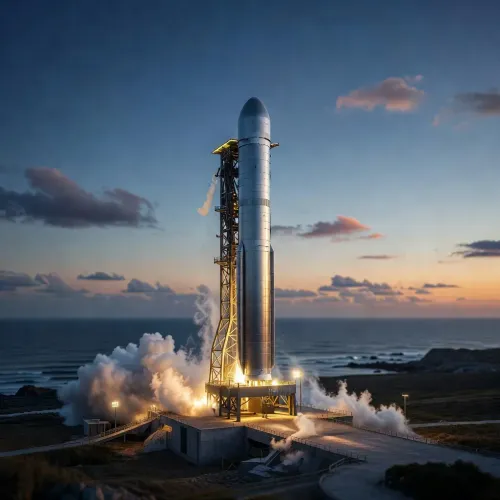
SpaceX postponed its first Starship test launch of 2026 on Thursday evening after a last-minute mechanical fault grounded the rocket at the launch pad. CEO Elon Musk confirmed the delay, citing a hydraulic pin failure that prevented a critical tower arm from retracting as planned.
What went wrong
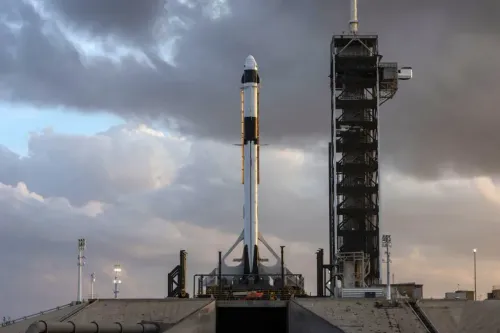
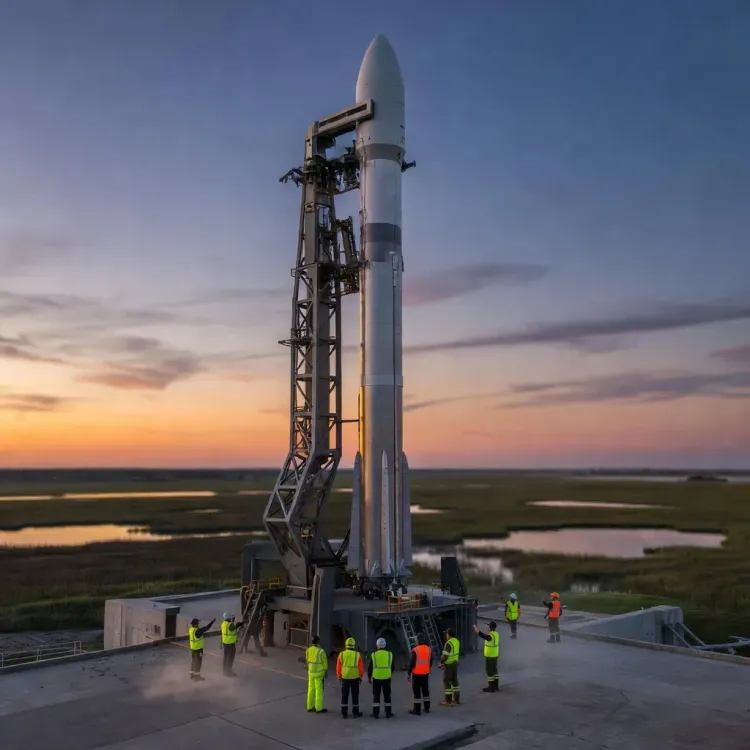
According to Musk, writing on X, the 'hydraulic pin holding the tower arm in place did not retract' — a fault detected during the final pre-launch sequence. The company said it would attempt to fix the problem overnight and launch the following day if repairs are successful.
Why it matters
The scrubbed attempt was set to be the first integrated Starship test of the year, making it a closely watched milestone for the commercial space sector. Starship — SpaceX's fully reusable spacecraft and Super Heavy booster system — is central to the company's ambitions for crewed lunar and Mars missions, and has been selected by NASA for the Artemis III human lunar landing mission.
Each test flight builds on incremental progress logged through 2023 and 2024, when the program demonstrated milestones including hot-staging separation and booster catch attempts. A successful 2026 flight would mark a significant step toward operational readiness.
The competitive backdrop
The delay arrives as the broader commercial launch sector accelerates investment in large, reusable heavy-lift vehicles. Multiple private operators are competing for NASA and DoD contracts tied to satellite deployment and deep-space exploration — markets where launch cadence and vehicle reliability carry outsized commercial weight.
Regulatory oversight from agencies such as the FAA also continues to shape the pace at which vehicles can advance from test flights to operational profiles, adding another layer of complexity to SpaceX's schedule.
What's next
SpaceX engineers were working overnight to resolve the hydraulic fault, with Musk indicating a launch attempt could follow within 24 hours if the fix holds. The outcome of that attempt will determine whether the program maintains its 2026 momentum — and how quickly Starship moves toward the orbital cadence NASA's lunar timeline demands.
Point of View
But the pattern of late-stage scrubs signals that the gap between spectacular test milestones and routine, schedulable launch operations is wider than the company's public cadence targets imply. With NASA's Artemis III timeline carrying political and budgetary weight, every slip in Starship's test cadence quietly amplifies pressure on the agency's lunar schedule. Mainstream coverage tends to focus on the spectacle of the rocket itself; the harder story is whether SpaceX can industrialise launch operations fast enough to meet the contractual commitments stacking up around Starship.
NationPress
20 Oct 2026
Frequently Asked Questions
Why was the SpaceX Starship launch delayed?
SpaceX delayed the launch because a hydraulic pin holding the launch tower arm in place failed to retract during the pre-launch sequence. CEO Elon Musk disclosed the fault on X , saying the team would attempt an overnight fix.
When will SpaceX attempt the Starship launch again?
Musk said SpaceX would launch the rocket the following day if engineers can resolve the hydraulic fault overnight. No revised launch window beyond that 24-hour target was confirmed at the time of the announcement.
What is Starship and why is this test important?
Starship is SpaceX 's fully reusable spacecraft and Super Heavy booster designed for crewed lunar, Mars, and orbital missions. This attempt was to be the first integrated test of 2026 , a milestone year for the programme given its role in NASA 's Artemis III lunar landing mission.
What is a hydraulic pin and how does it affect a rocket launch?
A hydraulic pin is a mechanical fastener used in launch infrastructure to secure or release structural arms at precise moments. If the pin holding the tower arm fails to retract, the arm cannot clear the vehicle safely, making a launch attempt impossible until the fault is corrected.
How has the Starship programme progressed so far?
SpaceX conducted its first integrated Starship flight test in April 2023 , followed by a series of tests through 2024 that demonstrated hot-staging separation and booster catch attempts. Each flight has incrementally advanced the vehicle toward the operational readiness required for NASA and commercial missions.