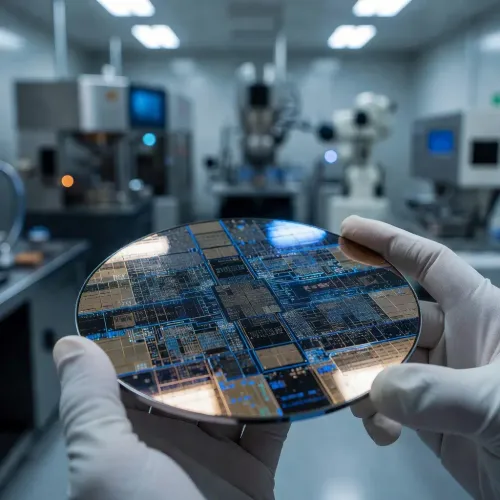
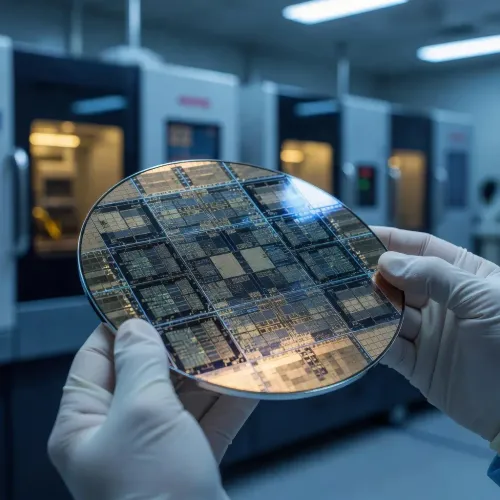
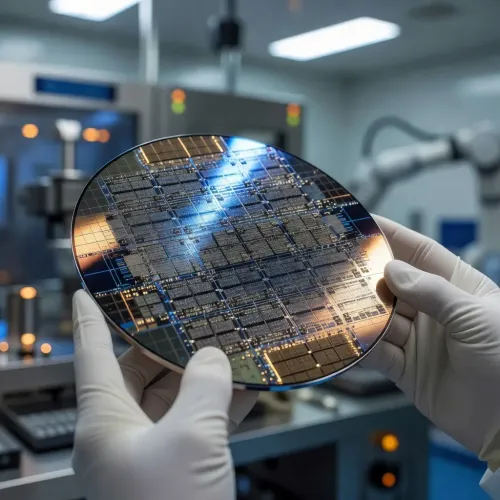
TSMC 3nm researcher Da Bo returns to China, joins USTC faculty
Synopsis
Da Bo, the Chinese researcher whose work underpins TSMC's 3nm chip line in Japan, has returned to China as a USTC chair professor — bringing an entire team of USTC graduates with him in a move that could accelerate China's push for semiconductor self-sufficiency.
Key Takeaways
Da Bo is now listed as a chair professor at the University of Science and Technology of China (USTC) 's School of Engineering Science .
His research underpins TSMC 's 3-nanometre chip production line in Japan .
Da joined Japan 's National Institute for Materials Science (NIMS) in 2013 and became its youngest-ever independent principal investigator.
Since 2022 , he was one of the few Chinese researchers with front-line involvement in advanced international semiconductor projects.
He returned with a pre-assembled team of fellow USTC graduates recruited while still at NIMS .
His stated goal is to bring China 's semiconductor equipment, materials, and components up to international standards.
Da Bo, the Chinese semiconductor researcher whose work underpins TSMC's 3-nanometre chip production line in Japan, has returned to China and joined the University of Science and Technology of China (USTC) as a chair professor at its School of Engineering Science. The move, confirmed by his listing on the USTC website, marks one of the most significant talent homecomings in China's ongoing push to close the gap in semiconductor equipment, materials, and components.
Who is Da Bo?
Da Bo joined Japan's National Institute for Materials Science (NIMS) in 2013 as a postdoctoral researcher after completing his PhD at USTC. He rose to become the youngest independent principal investigator in NIMS' history and, since 2022, was among the very few Chinese researchers with deep, front-line involvement in international semiconductor industry projects at the cutting edge of advanced node production.
The strategic return
In an interview published on May 20 by Deeptech — a Chinese news website affiliated with MIT Technology Review — Da said his goal was unambiguous. 'If he could bring China's semiconductor equipment, materials and components up to international standards, 'I believe my lifelong efforts will be worthwhile,' he told the outlet. Crucially, Da did not return alone: before leaving, he had assembled a team at NIMS composed largely of fellow USTC graduates, with a deliberate plan to bring them back to China as a cohesive unit.
Why it matters
The return of a researcher with direct, hands-on experience in TSMC's most advanced fabrication processes is a notable development in the global semiconductor talent race. China's ability to develop indigenous chip-making equipment and materials — the layers of the supply chain most constrained by export controls — depends heavily on researchers with exactly this kind of front-line exposure. Da's focus on semiconductor equipment, materials, and components places him at the precise intersection where China's self-sufficiency drive is most urgent.
The competitive backdrop
The move comes as US-led export restrictions continue to limit China's access to advanced chipmaking tools from companies such as Lam Research and Dutch lithography giant ASML. Against that backdrop, luring back researchers with institutional knowledge of leading-edge fabs has become a pillar of China's semiconductor strategy. Da's base at USTC in Hefei, Anhui province — a city that has emerged as a key node in China's tech investment corridor — positions his team within a well-funded domestic research ecosystem.
What's next
Whether Da Bo's team can translate experience gained on TSMC's 3nm line into practical advances for domestic Chinese fabs remains the central question. Industry analysts will be watching whether USTC or affiliated state-backed programmes announce new funding or partnerships linked to his research agenda. His trajectory will also be closely scrutinised by policymakers in Washington, Tokyo, and Seoul as a test case for how effectively advanced semiconductor knowledge can migrate across geopolitical boundaries.
Point of View
Not merely studying them from the outside. The chip war's most consequential front has always been materials and equipment — the layers that export controls target most aggressively — and that is precisely where Da's expertise sits. What mainstream coverage often misses is the team dimension: by returning as a cohesive unit of USTC-trained researchers, Da sidesteps the usual ramp-up lag, effectively transplanting an intact research culture rather than rebuilding from scratch. Washington and Tokyo will need to decide whether institutional knowledge of this kind falls within the spirit, if not the letter, of existing technology-transfer restrictions.
NationPress
9 Oct 2026
Frequently Asked Questions
Who is Da Bo and why is his return significant?
Da Bo is a Chinese semiconductor researcher whose work underpins TSMC's 3-nanometre chip production line in Japan. His return to China as a USTC chair professor is significant because he brings direct, front-line experience from the world's most advanced fabrication process, along with an intact team of fellow researchers.
Where has Da Bo joined after returning to China?
Da Bo has joined the University of Science and Technology of China (USTC) as a chair professor at the School of Engineering Science, located in Hefei, Anhui province. His listing on the USTC website confirmed the appointment.
What was Da Bo doing in Japan before returning?
Da Bo joined Japan's National Institute for Materials Science (NIMS) in 2013 as a postdoctoral researcher and became the youngest independent principal investigator in NIMS' history. Since 2022, he was among the few Chinese researchers with deep involvement in front-line international semiconductor industry projects.
How does Da Bo's return affect China's chip ambitions?
Da Bo's focus on semiconductor equipment, materials, and components — the areas most constrained by US-led export controls — directly addresses China's most critical self-sufficiency gaps. His team's institutional knowledge of TSMC's 3nm processes could accelerate domestic Chinese research in these areas.
Did Da Bo return to China alone?
No. Da Bo returned with a pre-assembled team of fellow USTC graduates whom he had recruited while still at NIMS, with the deliberate plan of bringing them back to China as a unit. This cohesive team structure is expected to reduce the typical ramp-up time for new research programmes.