India's Ambitious 30 GW Renewable Energy Park in Gujarat
Synopsis
India is on the verge of launching the largest renewable energy project in the world at the Rann of Kutch. This bold initiative aims to reshape the energy landscape while promoting sustainability and job creation.
Key Takeaways
The Khavda Renewable Energy Park aims to be the largest of its kind globally.
It is expected to power 18 million homes with a hybrid design of solar and wind energy.
Inaugurated in 2020, the project is part of India's ambitious clean energy goals.
Public and private sectors are collaborating on this transformative initiative.
Challenges include environmental concerns and energy production stability.
New Delhi, March 24 (NationPress) India is set to convert the expansive salt flats of the Rann of Kutch into the largest single-site renewable energy project worldwide, highlighting its commitment to clean energy and enhancing energy security.
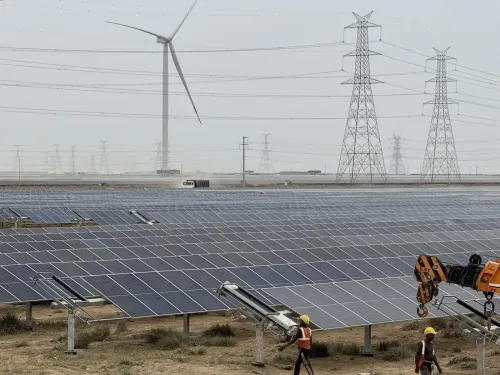
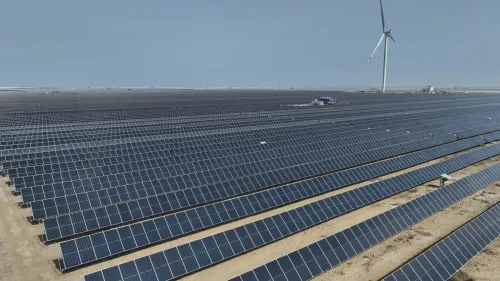
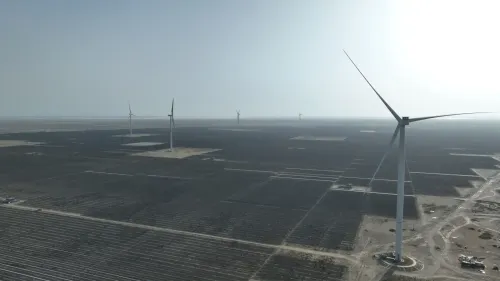
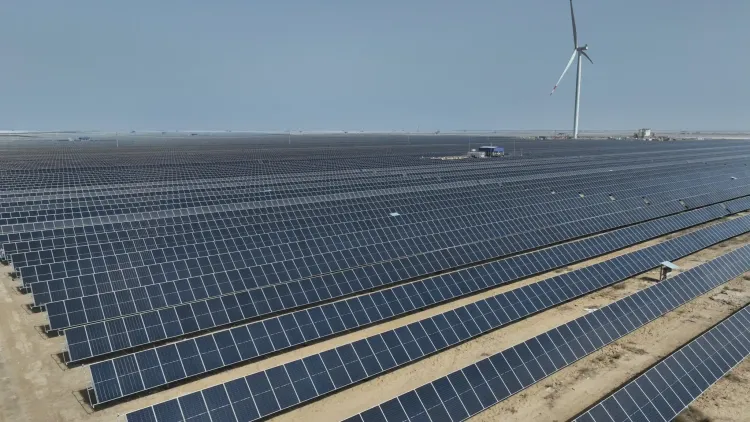
Covering over 72,000 hectares in Gujarat, the 30 GW Khavda Renewable Energy Park, also known as the Gujarat Hybrid Renewable Energy Park, is being constructed as a significant solar-wind facility that will have the capability to power close to 18 million households upon its completion.
This groundbreaking project combines approximately 20 GW of solar power with 10 GW of wind energy, creating a hybrid system that aims to provide more reliable power generation by synchronizing daytime solar production with continuous wind energy.
A collaboration of both public and private entities is bringing this project to life, including Adani Green Energy, NTPC, the Gujarat State Electricity Corporation Limited, and the Gujarat Industrial Power Company Limited, with Adani Green securing the largest stake of about 9.5 GW of capacity.
The Solar Energy Corporation of India has also been designated a substantial share for wind-only developments.
Inaugurated in 2020 by Prime Minister Narendra Modi, the project has already achieved over 1 GW in operational capacity, with the full potential expected to be realized in stages over the upcoming years.
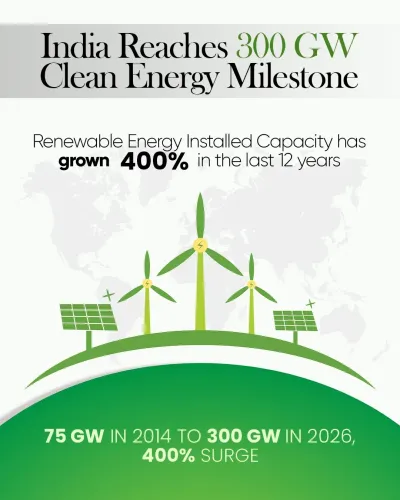
Seen as a crucial component of India’s objective to reach 500 GW of non-fossil fuel capacity by 2030, this initiative is transforming barren land into a significant energy hub, while also generating employment opportunities and diminishing reliance on coal.
However, the initiative faces challenges such as harsh working conditions, the variability of renewable energy without sufficient storage solutions, and concerns regarding the vulnerable desert ecosystem.
Despite these issues, the Khavda project is a significant milestone in India’s transition towards clean energy, showcasing how underutilized land can be effectively repurposed for large-scale sustainable energy production.
Point of View
It is evident that India's initiative to establish the Khavda Renewable Energy Park marks a pivotal moment in the country's energy strategy. By leveraging renewable resources, India aims to enhance its energy independence while facing inherent challenges, including environmental concerns and operational feasibility.
NationPress
22 Sept 2026
Frequently Asked Questions
What is the capacity of the Khavda Renewable Energy Park?
The Khavda Renewable Energy Park is designed to have a total capacity of 30 GW, combining 20 GW of solar power and 10 GW of wind energy.
When was the project inaugurated?
The project was inaugurated in 2020 by Prime Minister Narendra Modi.
How many homes can the park power?
Upon completion, the park is expected to power nearly 18 million homes.
Who are the key players involved in the project?
The project involves several stakeholders, including Adani Green Energy, NTPC, the Gujarat State Electricity Corporation Limited, and the Gujarat Industrial Power Company Limited.
What are the challenges faced by the project?
Challenges include harsh working conditions, the intermittency of renewable energy, and concerns over the fragile desert ecosystem.