VAR must stay, but offside rules need feet-first focus: Bhaichung Bhutia
Synopsis
Bhaichung Bhutia's call to judge offside by a player's feet — not body parts — cuts to the heart of football's biggest officiating debate at the 2026 World Cup. With Croatia's equaliser wiped out by a sensor-detected touch inside a smart match ball, the line between technological precision and sporting common sense has never felt thinner.
Key Takeaways
Former India captain Bhaichung Bhutia has backed VAR but called for offside decisions to prioritise a player's feet over other body parts.
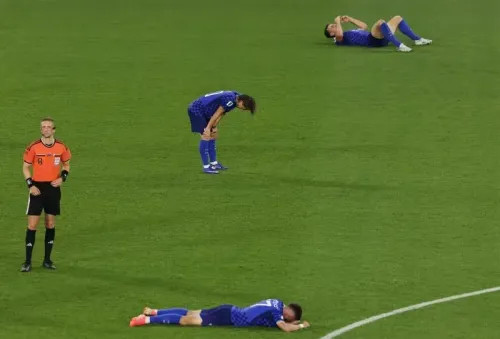
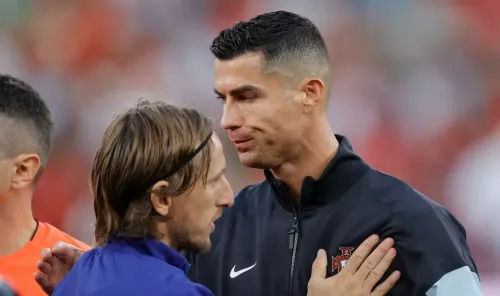
Croatia's equaliser against Portugal in the 103rd minute of their FIFA World Cup 2026 Round of 32 match was disallowed via VAR for offside.
FIFA confirmed the offside touch by Igor Matanovic was detected using Connected Ball Technology and IMU sensors inside the official Trionda ball.
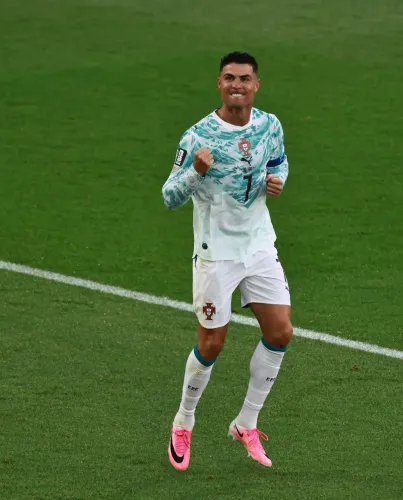
Portugal won 2-1 , with goals from Cristiano Ronaldo and Goncalo Ramos .
Bhutia also welcomed hydration breaks at the tournament, calling them especially relevant for players in warm-weather conditions.
Former India football captain Bhaichung Bhutia has endorsed the continued use of the Video Assistant Referee (VAR) system in football, while calling for a shift in how offside decisions are interpreted — arguing that a player's feet, not other body parts, should be the primary reference point. His remarks follow one of the most contested moments of the FIFA World Cup 2026 Round of 32.
The Incident That Sparked the Debate
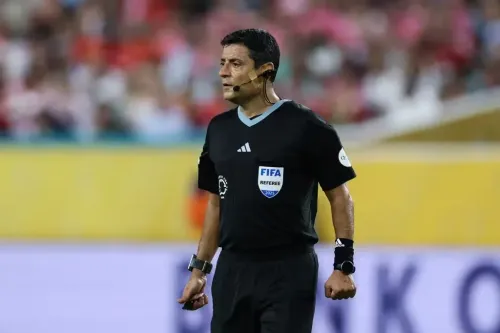
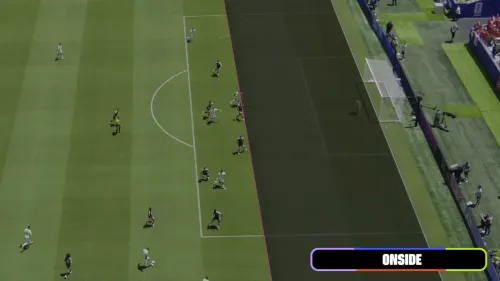
The controversy centred on Croatia's dramatic late equaliser against Portugal, which was disallowed after a VAR review in the 103rd minute. Josko Gvardiol had tapped the ball home after Mario Pasalic squared it across the goal, but VAR determined that Croatian forward Igor Matanovic had made a slight touch on the ball before it reached Pasalic — rendering the goal offside.
FIFA later confirmed the touch was detected using Connected Ball Technology and IMU sensors embedded inside the official Trionda match ball. The decision proved decisive: Portugal held on for a 2-1 victory, with Cristiano Ronaldo scoring an equaliser and Goncalo Ramos netting the late winner.
What Bhutia Said About VAR
Speaking as part of the expert panel for ZEE5's FIFA World Cup 2026 coverage, Bhutia maintained that VAR remains indispensable despite recurring controversies. 'I think VAR has to stay because there will be more controversy without VAR. VAR as well, there are controversies, but lesser ones. So I think VAR has to stay, and I think it's good for the game,' he said.
However, the former striker argued that the current technical interpretation of offside has grown overly complex. 'I think offside law in VAR, we should try to see the feet of the player where it is positioned rather than the body,' he added — a view that resonates with a growing section of football fans and analysts who feel marginal body-part calls undermine the spirit of the game.
Technology at the Centre of World Cup Officiating
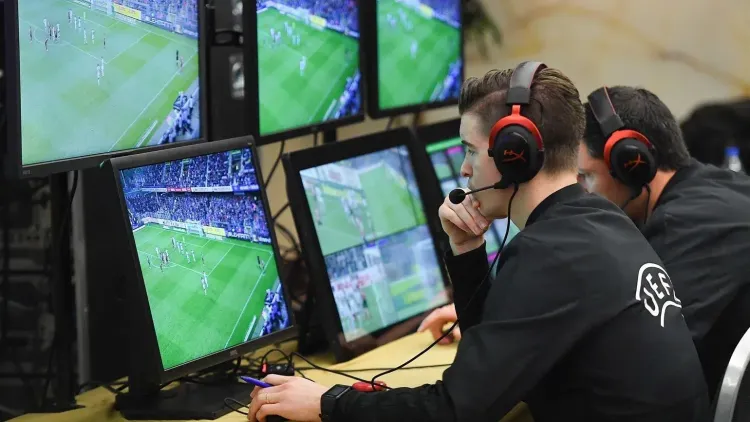
The FIFA World Cup 2026 has deployed semi-automated offside technology and connected ball data extensively to assist match officials. Supporters of the system argue it delivers unprecedented accuracy; critics contend that marginal calls — particularly those involving non-playing body parts — continue to generate as much debate as the incidents they are meant to resolve. The Croatia-Portugal episode is the latest in a series of such moments at this tournament.
Bhutia Welcomes Hydration Breaks
Beyond VAR, Bhutia also praised the introduction of hydration breaks at the World Cup, describing them as a welcome relief for players competing in demanding weather conditions. 'I think it's a very welcome move. Especially for India, in an Indian climate, a hydration break is very important,' he said.
He acknowledged that European leagues may not require such breaks given their weather, but stressed that conditions in other parts of the world make them necessary. 'There are other parts of the world where the weather also plays a big role. So I think that's a welcome move,' Bhutia added.
As the FIFA World Cup 2026 progresses beyond the Round of 32, debates around VAR, semi-automated offside, and connected ball technology are likely to intensify — with each marginal decision adding fresh fuel to the conversation about how the laws of the game should evolve.
Point of View
But the feet-first offside argument is not new — it has circulated among coaches and fans for years without gaining traction in FIFA's law-making body, the IFAB. The deeper issue is that semi-automated technology now detects touches invisible to the human eye, raising the question of whether laws written for human referees are fit for sensor-driven enforcement. Croatia's disallowed goal is a symptom of a structural mismatch: the technology has outpaced the philosophical consensus on what offside is meant to prevent. Until FIFA and IFAB revisit that foundational question, no amount of sensor precision will end the controversy.
NationPress
2 Oct 2026
Frequently Asked Questions
What did Bhaichung Bhutia say about VAR at the FIFA World Cup 2026?
Bhaichung Bhutia said VAR should remain in football because it reduces controversy overall, even if it does not eliminate it entirely. He added that offside decisions under VAR should focus on where a player's feet are positioned rather than other body parts.
Why was Croatia's goal against Portugal disallowed at the 2026 World Cup?
Croatia's equaliser in the 103rd minute was ruled out after VAR determined that Igor Matanovic made a slight touch on the ball before it reached Mario Pasalic, placing Matanovic in an offside position. FIFA confirmed the touch was detected by Connected Ball Technology and IMU sensors inside the official Trionda match ball.
What is Connected Ball Technology and how does it work?
Connected Ball Technology uses IMU (Inertial Measurement Unit) sensors embedded inside the official match ball to detect touches at a granular level, including those invisible to the naked eye or standard cameras. At the FIFA World Cup 2026, it is used alongside semi-automated offside technology to assist match officials in making precise calls.
What was the final result of the Croatia vs Portugal FIFA World Cup 2026 match?
Portugal won 2-1, with Cristiano Ronaldo scoring an equaliser and Goncalo Ramos netting the late winner. Croatia's disallowed goal in the 103rd minute, overturned by VAR, proved decisive.
What did Bhutia say about hydration breaks at the World Cup?
Bhutia welcomed the introduction of hydration breaks, saying they provide important relief for players competing in demanding weather conditions. He noted they are especially relevant in warm climates like India's, while acknowledging European leagues may not require them.