CWG 2026: IOA medical team keeps India's Glasgow campaign fighting fit
Synopsis
Away from the medal tallies at Glasgow 2026, the IOA's medical team — led by Dr Dinshaw Pardiwala — is running a three-hotel operation with no central Athletes' Village, covering disciplines from swimming to gymnastics that travel without their own medical staff. It is a logistical feat that rarely makes headlines but underpins every Indian performance at these Games.
Key Takeaways
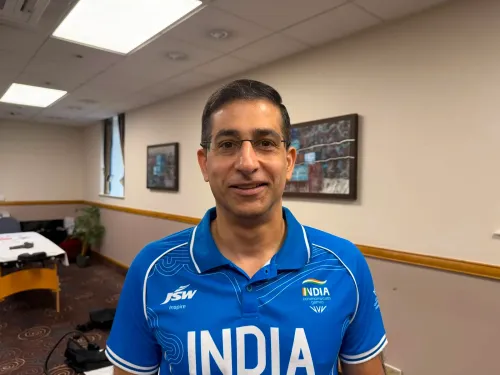
The IOA medical team at CWG 2026 is headed by orthopaedic surgeon Dr Dinshaw Pardiwala , with physiotherapists Sumansh Sivalanka , Chris Pedra , and Debashish Das .
Glasgow 2026 has no central Athletes' Village; India's contingent is spread across three hotels , with the primary treatment centre at the Mercure Hotel .
The IOA unit provides medical cover for disciplines including swimming and gymnastics that do not travel with dedicated doctors or physiotherapists.
The medical team has been embedded with athletes since before the Games began , covering training, competition, and recovery phases.
The IOA's approach reflects a broader shift in Indian elite sport toward integrating sports science and recovery protocols as core performance tools.
The Indian Olympic Association (IOA) medical team, led by celebrated orthopaedic surgeon Dr Dinshaw Pardiwala, has been operating round the clock at the 2026 Commonwealth Games in Glasgow to keep India's contingent healthy, injury-free and competition-ready since the squad arrived in Scotland. While athletes chase medals on the field, this behind-the-scenes unit is quietly shaping India's overall campaign.
The Medical Unit Behind the Medals
Alongside Dr Pardiwala, the IOA's medical setup includes physiotherapists Sumansh Sivalanka, Chris Pedra, and Debashish Das, who have been embedded with athletes from the pre-Games training phase itself. Their remit covers physiotherapy, injury management, rehabilitation, and recovery support throughout the multi-day event.
'It is a wonderful journey as my team comprising Sumansh Sivalanka, Chris Pedra and Debashish Das are working with the athletes even before the Games began. For me, personally, it is reassuring when team managers come and tell me our presence is reassuring and adds value,' Dr Pardiwala said.
A Logistical Challenge Unlike Previous Games
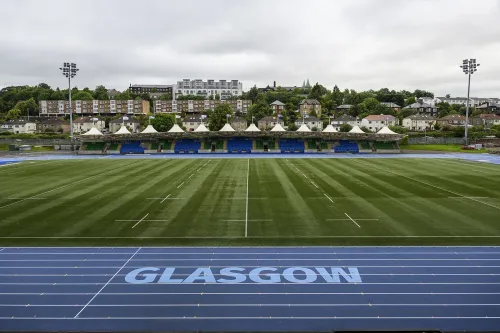
Unlike most major multi-sport events, Glasgow 2026 does not feature a central Athletes' Village. India's contingent is spread across three different hotels, creating a logistical complexity that the IOA has addressed by establishing its primary treatment centre at the Mercure Hotel while deploying medical personnel at all accommodation sites. This ensures athletes have access to immediate medical attention at any hour.
Notably, this decentralised model is a departure from the centralised medical setups at past Commonwealth Games, and the IOA's ability to adapt speaks to the growing professionalisation of Indian sports administration.
Filling the Gaps for Smaller Contingents
The IOA medical team also serves as a crucial safety net for disciplines that do not travel with dedicated medical staff. While larger squads such as athletics bring their own doctors and physiotherapists, teams in swimming and gymnastics, among others, rely entirely on the IOA's central unit for treatment, rehabilitation, and recovery during the Games.
This gap-filling role is significant: in a contingent spanning multiple sports and disciplines, uniform access to quality medical care can be the difference between an athlete competing through discomfort and one forced to withdraw.
The Human Side of Elite Sport
Dr Pardiwala reflected on what drives the support staff. 'To see the smile on the faces of athletes is a joy, for they have had a hard day at work,' he said. The IOA has underlined that modern elite sport extends well beyond training and competition — recovery protocols, physiotherapy, and sports science now play an equally critical role in sustaining peak performance across a multi-day schedule.
India's Athlete-First Approach
Behind every Indian athlete at Glasgow 2026 stands a wider ecosystem of coaches, doctors, physiotherapists, nutrition experts, team managers, and logistics staff, all aligned to a single objective: allowing athletes to focus solely on performance. As India's Commonwealth Games campaign gathers momentum, the IOA's comprehensive medical support framework is expected to remain a key pillar of the contingent's overall effort.
Point of View
While also absorbing disciplines that travel without their own medical staff, points to a maturing support infrastructure. The harder question is whether this model is being documented and institutionalised, or whether it depends on the individuals currently in place. India's sporting ambitions at the 2028 Olympics will demand that the former is true.
NationPress
25 Jul 2026
Frequently Asked Questions
Who is leading the IOA medical team at CWG 2026?
The IOA medical team at the 2026 Commonwealth Games in Glasgow is led by renowned orthopaedic surgeon Dr Dinshaw Pardiwala. He is supported by physiotherapists Sumansh Sivalanka, Chris Pedra, and Debashish Das.
Why is the IOA medical setup at Glasgow 2026 different from previous Games?
Glasgow 2026 does not have a central Athletes' Village, so India's contingent is housed across three separate hotels. The IOA established its primary treatment centre at the Mercure Hotel and deployed medical staff at all accommodation sites to ensure uninterrupted access to care.
Which sports does the IOA medical team support at CWG 2026?
The IOA team provides medical cover for all Indian athletes, but particularly serves disciplines such as swimming and gymnastics that do not travel with dedicated doctors or physiotherapists. Larger squads like athletics have their own medical staff.
When did the IOA medical team begin working with athletes at CWG 2026?
The medical team began working with athletes before the Games officially started, supporting them through the pre-competition training phase as well as during competition and recovery.
Why does medical support matter at a multi-day event like the Commonwealth Games?
At a multi-day event, athletes face cumulative physical stress from repeated training and competition. Recovery protocols, physiotherapy, and injury management directly affect whether an athlete can perform at peak level across multiple rounds or disciplines, making medical support as important as coaching.