Will GPKL Season Two Showcase International Kabaddi Stars from Europe, Africa, and Asia?

Synopsis
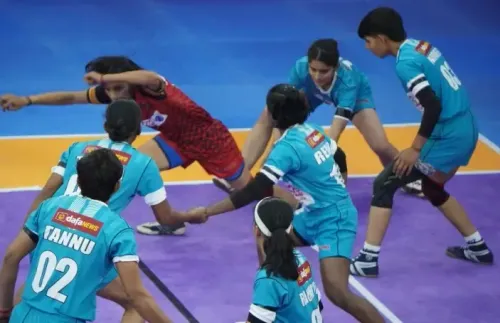
Get ready for an exciting season of the Global Pravasi Kabaddi League as international stars from Europe, Africa, and Asia join the fray! This season promises thrilling matches and a showcase of talent in kabaddi, bridging traditional roots with a global outlook.
Key Takeaways
International Participation: Players from Europe, Africa, and Asia will join the league.
Gender Diversity: Both male and female athletes will compete.
Global Reach: GPKL aims to bridge traditional kabaddi with global interests.
Structured Development: Focus on creating competitive pathways for players.
Growing Popularity: Kabaddi is witnessing increased global interest.
New Delhi, Feb 21 (NationPress) The Global Pravasi Kabaddi League (GPKL) has officially announced the inclusion of international athletes from diverse continents for its forthcoming second season.
This season is anticipated to showcase both male and female competitors hailing from Europe, Africa, and Asia, further enhancing GPKL’s role as a vital link between India’s kabaddi roots and the developing worldwide landscape of the sport. Kabaddi players from these regions are set to electrify GPKL Season 2.
International representation for this season is expected from European countries such as England, the Netherlands, Poland, Hungary, the Czech Republic, and Germany. Additionally, African nations including Tanzania, Kenya, and Cameroon are also anticipated to contribute — areas where kabaddi has seen consistent grassroots progress in recent years.
Moreover, Asian involvement will broaden with players from Hong Kong and Taiwan joining the talent roster for Season 2.
The addition of athletes from these regions underscores a wider trend of increasing enthusiasm for kabaddi outside of its traditional strongholds and highlights the growing significance of well-organized competitive frameworks in promoting the sport's global advancement.
“Crucially, Season 2 will maintain its focus on featuring both male and female competitors. The league’s dedication to gender diversity remains integral to its long-term vision of inclusive development and international collaboration,” stated the tournament organizers.
The engagement of international players also aligns with ongoing initiatives aimed at creating viable pathways for overseas kabaddi athletes through exposure to structured competition, quality coaching environments, and interaction with seasoned Indian players.
Transitioning from its inaugural season as GIPKL, the league is now evolving into the Global Pravasi Kabaddi League with a more pronounced global perspective and a heightened emphasis on structured growth.
As kabaddi continues to extend its international reach, platforms that facilitate cross-border participation are expected to be pivotal in enhancing the sport’s global competitiveness and ensuring its long-term institutional development.
Point of View
The Global Pravasi Kabaddi League is taking significant strides toward inclusivity and international collaboration. The participation of international players not only enriches the league but also reflects the sport's expanding footprint beyond its traditional borders. This development is a testament to the potential of kabaddi as a unifying force in sports.
NationPress
26 Sept 2026
Frequently Asked Questions
What is the Global Pravasi Kabaddi League ?
The Global Pravasi Kabaddi League (GPKL) is an international kabaddi league that features players from various countries, promoting the sport globally.
Which countries will participate in Season 2?
Season 2 will feature players from Europe, Africa, and Asia , including countries like England, Germany, Kenya, and Taiwan .
Is there a focus on gender diversity in the league?
Yes, the league emphasizes inclusivity, featuring both male and female athletes to promote gender diversity in kabaddi.
How does GPKL contribute to the growth of kabaddi?
GPKL creates competitive opportunities for international players, fostering the development of kabaddi on a global scale.
What changes have been made since the league's inception?
The league has evolved from GIPKL to GPKL, enhancing its global outlook and focusing on structured development of the sport.