Golf can boost India's tourism and investment, says PGTI CEO Amandeep Johl
Synopsis
PGTI CEO Amandeep Singh Johl used a multi-sport panel in New Delhi to make an economic and cultural case for golf — arguing that India needs more courses, better access, and a mindset shift that treats the game as a family activity and tourism driver, not just a path to producing champions.
Key Takeaways
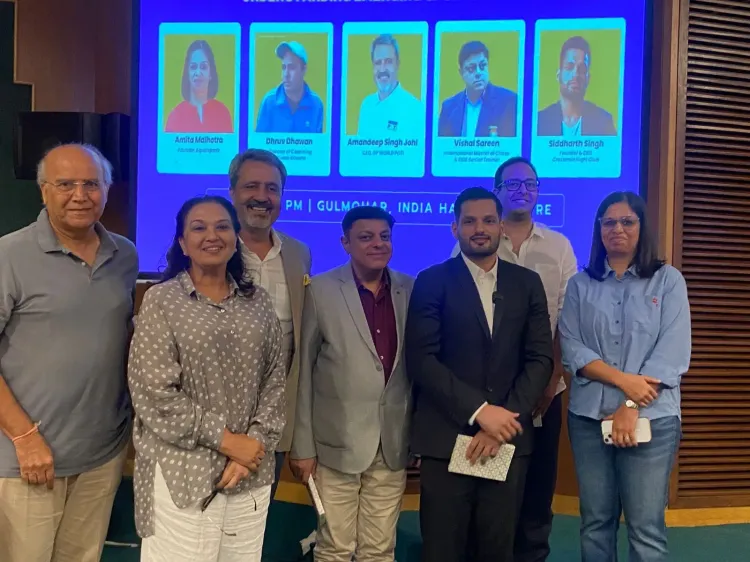
PGTI CEO Amandeep Singh Johl spoke at the Raising An Athlete Sports Talk Series hosted by Equalsportz in New Delhi on 20 June .
Johl called golf a potential driver of tourism, real estate, investment, and economic activity in India.
He urged parents to introduce children to golf without pressure to become champions, describing it as one of India's greatest family sports .
The panel also featured experts in chess, MMA, and squash , covering coaching, athlete welfare, and long-term development.
Johl cited the need for more golf courses and greater accessibility to unlock the sport's economic potential.
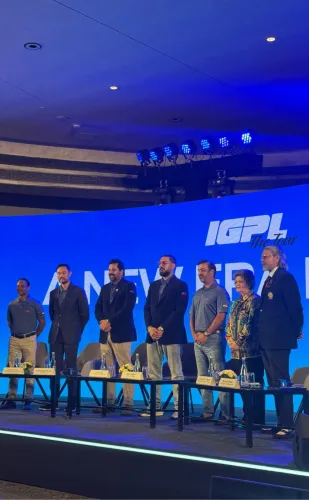
Professional Golf Tour of India (PGTI) CEO Amandeep Singh Johl on 20 June said golf holds significant untapped potential to drive tourism, investment, and broader economic activity in India — and that it deserves recognition as a family sport, not merely an elite competitive pursuit. Johl made the remarks at the Raising An Athlete Sports Talk Series hosted by Equalsportz in New Delhi, during a session titled 'Understanding Emerging Sports in India'.
Golf as more than a competitive sport
Johl, who has been associated with golf since the age of seven, called for a fundamental shift in how Indian parents perceive the game. 'Don't teach anyone golf only to become a champion. Introduce them to the game and let them get to where they can get to,' he said. He positioned golf as one of the few sports where multiple generations — grandparents, parents, and children — can actively participate together, making it a vehicle for family bonding rather than just athletic ambition.
On the values the sport instils, Johl described integrity as golf's defining lesson. 'Golf is one of the games closest to life. You get good breaks and bad breaks, but you still have to play the ball as it lies,' he said.
The economic case for golf in India
Johl made a pointed case for golf's economic multiplier effect, arguing that its impact extends well beyond the sporting arena. 'India needs more golf courses, more access, and more awareness. Golf can support tourism, real estate, investment, and economic activity. The potential is huge,' he said. He called for stronger infrastructure and wider accessibility as prerequisites for unlocking that potential. This comes amid growing global recognition of golf tourism as a high-yield segment, with destinations such as Scotland, Portugal, and Thailand generating substantial revenue from the sport.
The broader panel and discussion
The session brought together experts from four sporting disciplines — golf, chess, mixed martial arts, and squash. Other panellists included International Master and FIDE Senior Trainer Vishal Sareen, Crosstrain Fight Club founder and CEO Siddharth Singh, and squash coach Dhruv Dhawan. The panel examined India's evolving sports ecosystem, covering parental support, coaching standards, financial challenges, athlete welfare, competition structures, and long-term development pathways.
Notably, the discussion reflected a wider push to encourage Indian families to look beyond traditional sporting choices — cricket, in particular — and explore disciplines gaining prominence through international competitions, professional leagues, and structured development systems.
What the Raising An Athlete series aims to do
The Raising An Athlete Sports Talk Series is designed to give parents, athletes, coaches, and domain experts a platform for informed dialogue on sporting careers. Its stated goal is to help families make better-informed decisions while nurturing the next generation of Indian athletes across a range of disciplines. As India's sports infrastructure continues to expand and non-cricket sports attract greater investment, forums such as this are increasingly shaping the conversation around athlete development at the grassroots level.
Point of View
But the infrastructure gap he identifies is stark — India has fewer than 250 golf courses for a population of 1.4 billion, compared with over 16,000 in the United States. The economic argument for golf tourism is well-established globally, yet India has struggled to translate course development into destination appeal. The more interesting intervention here is the cultural one: reframing golf as a family sport rather than a corporate or elite pursuit could meaningfully expand its base — but that shift requires accessible pricing and public courses, neither of which Johl's remarks addressed in detail. The conversation is necessary; the policy follow-through is what's missing.
NationPress
19 Sept 2026
Frequently Asked Questions
What did PGTI CEO Amandeep Singh Johl say about golf in India?
Johl said golf has the potential to drive tourism, investment, real estate, and economic activity in India, and called for more golf courses and greater accessibility. He also urged parents to treat golf as a family sport rather than a path solely to competitive success.
What is the Raising An Athlete Sports Talk Series?
It is a forum hosted by Equalsportz that brings together parents, athletes, coaches, and experts to discuss sporting careers and help families make informed decisions about supporting young athletes across various disciplines.
Who else participated in the Equalsportz sports talk panel?
The panel included International Master and FIDE Senior Trainer Vishal Sareen (chess), Crosstrain Fight Club founder and CEO Siddharth Singh (MMA), and squash coach Dhruv Dhawan, alongside PGTI CEO Amandeep Singh Johl.
Why does Johl say India needs more golf courses?
Johl argues that expanded golf infrastructure is essential to unlock the sport's potential as a driver of tourism, real estate, and economic activity. He also cited the need for greater awareness and accessibility to grow participation at the grassroots level.
What values does Amandeep Johl associate with golf?
Johl described integrity as golf's greatest lesson, saying the sport mirrors life in that players must 'play the ball as it lies' regardless of circumstances. He has been involved with golf since the age of seven and views it as a social, professional, and personal development tool.