French Open 2026: Vallejo fined $65,000 for sexist remarks on umpire
Synopsis
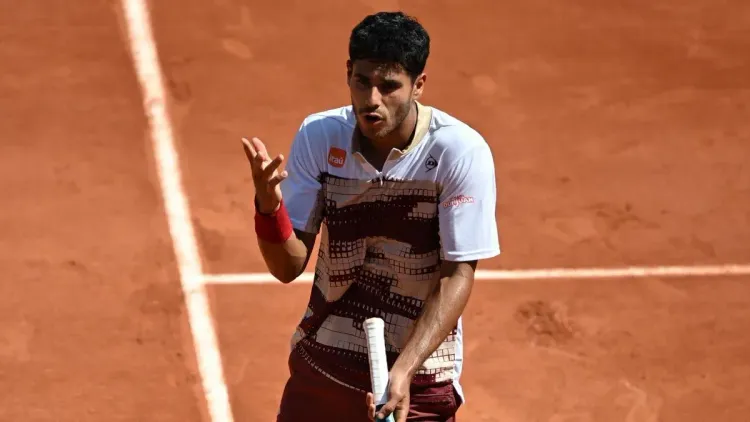
A $65,000 fine — nearly half his prize money — has been handed to Paraguayan World No. 71 Adolfo Vallejo at Roland Garros 2026 after he suggested a match of that importance should have been handled by a male umpire. Tournament director Amelie Mauresmo called the remarks unacceptable, making this one of the largest conduct fines in Grand Slam history.
Key Takeaways
Adolfo Daniel Vallejo , World No.
71 from Paraguay, was fined $65,000 (£48,300) by French Open organisers at Roland Garros 2026 .
Vallejo told Clay magazine that Brazilian chair umpire Ana Carvalho was too weak to manage the crowd, and suggested a man should have officiated the match.
The fine represents nearly half of his €130,000 second-round prize money, confirmed by tournament director Amelie Mauresmo .
Grand Slam rules permit fines of up to $100,000 for unsportsmanlike conduct; Vallejo's penalty ranks among the largest in major tournament history.
Vallejo issued a public apology on Instagram , citing emotions after a five-hour match.
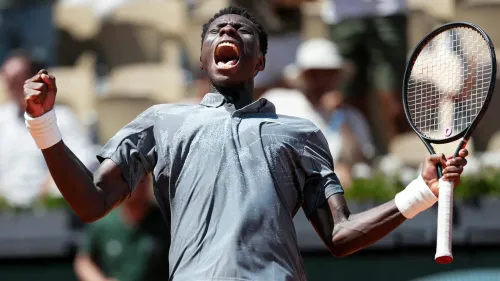
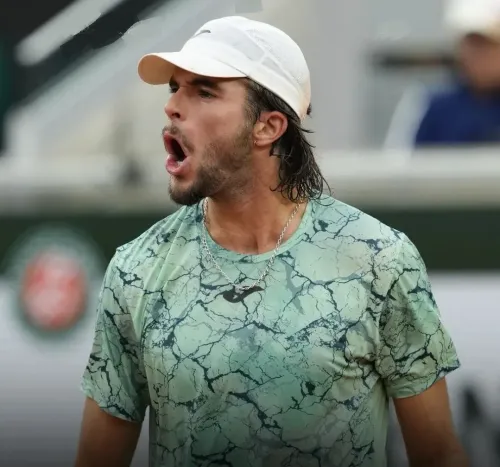
Paraguayan tennis player Adolfo Daniel Vallejo has been fined $65,000 (£48,300) by French Open organisers at Roland Garros after making what tournament officials called “unacceptable” sexist remarks about a female chair umpire following his second-round exit. The 22-year-old World No. 71 made the comments in an interview with Clay magazine after losing to French teenager Moise Kouame.
What Vallejo Said
In the interview, Vallejo questioned the ability of Brazilian chair umpire Ana Carvalho to manage the atmosphere generated by a partisan home crowd. He suggested that a match of that magnitude should have been handled by a male official — remarks that drew immediate and widespread condemnation from the tennis community.
Tournament's Response
French Open tournament director Amelie Mauresmo confirmed the disciplinary action and its scale. “It is roughly half of his prize money,” Mauresmo said. “Clearly, this is something we do not accept as a tournament. Words like this should not be used in this arena.” Organisers stated they “strongly condemn all sexist remarks.”
Scale of the Fine
Players reaching the second round of the men's singles draw at the French Open receive €130,000 ($151,000 or £112,000) in prize money. Vallejo's $65,000 penalty therefore accounts for nearly half his earnings from this year's tournament. Under the Grand Slam rulebook, players can be fined up to $100,000 (£74,200) for unsportsmanlike conduct, making this one of the most severe penalties in Grand Slam history — short of the maximum but ranking among the largest ever imposed at a major.
Vallejo's Apology
Following the announcement of disciplinary action, Vallejo issued a public apology via Instagram. “I have respect for the umpires, and for the job they do. After a five-hour battle, I was very heated and felt a lot of emotions. I apologise,” he wrote. The apology did not reverse the fine, which organisers confirmed stood.
Broader Impact on Tennis
The incident has reignited debate about respect for match officials — particularly female umpires — in professional tennis. This comes amid a broader reckoning in sport over gender equity in officiating roles. Notably, female umpires have worked the highest-profile matches at Grand Slams for years, yet incidents questioning their authority on gendered grounds continue to surface. The controversy has overshadowed what was otherwise a notable second-round run for the young Paraguayan at one of clay court tennis's most prestigious stages.
Point of View
Not merely symbolic. But the more telling detail is how routine these incidents remain: female umpires have officiated Grand Slam finals for years, yet the idea that a woman cannot control a crowd still surfaces in post-match interviews. The real question is whether steep fines change behaviour or simply price it. Mauresmo's public confirmation of the penalty, by name and quantum, suggests the tournament is deliberately using transparency as deterrent — a sharper tool than the quiet reprimands of past editions.
NationPress
28 Sept 2026
Frequently Asked Questions
Why was Adolfo Vallejo fined at the French Open 2026?
Vallejo was fined $65,000 by French Open organisers after he told Clay magazine that Brazilian chair umpire Ana Carvalho was too weak to manage the crowd and suggested the match should have been officiated by a man. Tournament director Amelie Mauresmo confirmed the fine and called the remarks unacceptable.
How large is the $65,000 fine relative to Vallejo's prize money?
Second-round losers in the men's singles at the French Open receive €130,000 (approximately $151,000), meaning the $65,000 fine accounts for nearly half of Vallejo's earnings from this year's tournament. Mauresmo described it as 'roughly half of his prize money.'
What is the maximum fine a player can receive at a Grand Slam?
Under the Grand Slam rulebook, players can be fined up to $100,000 for unsportsmanlike conduct. Vallejo's $65,000 penalty is below the maximum but ranks among the most severe conduct fines in Grand Slam history.
Did Vallejo apologise for his comments?
Yes. Vallejo posted a public apology on Instagram after the fine was announced, writing: 'I have respect for the umpires, and for the job they do. After a five-hour battle, I was very heated and felt a lot of emotions. I apologise.' The fine was not reversed.
Who is Ana Carvalho, the umpire at the centre of the controversy?
Ana Carvalho is a Brazilian chair umpire who officiated Vallejo's second-round match at Roland Garros 2026. Vallejo's comments questioning her authority on gendered grounds drew widespread condemnation from the tournament and the broader tennis community.