Northeast monsoon deficit 2026: 5 states below normal despite July floods
Synopsis
Five Northeastern states are running a monsoon deficit of up to 58 per cent even as floods batter the region — a paradox driven by El Nino and weak Bay of Bengal systems. With IMD forecasting below-normal rainfall nationally through September, the Northeast's rain-fed Kharif season faces a precarious second half.
Key Takeaways
Five of eight Northeastern states recorded below-normal monsoon rainfall in June–July 2026 , despite widespread floods and landslides.
Meghalaya had the highest deficit at 58 per cent , followed by Arunachal Pradesh (41%), Manipur (40%), Assam (28%), and Mizoram (24%).
The East and Northeast Meteorological Sub-Division registered an overall rainfall deficiency of more than 30 per cent for June–July combined.
El Nino , weak Bay of Bengal rain systems, and the absence of active monsoon troughs are cited as the primary causes.
IMD forecasts below-normal rainfall nationally for August–September 2026 , though the Northeast may still receive normal to above-normal totals.
In Manipur , the rainfall deficit is compounding agricultural disruption already caused by the state's prolonged ethnic conflict.
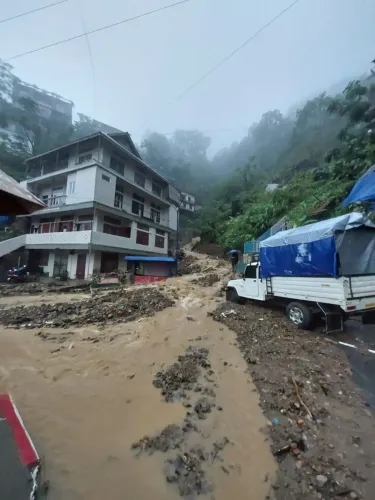
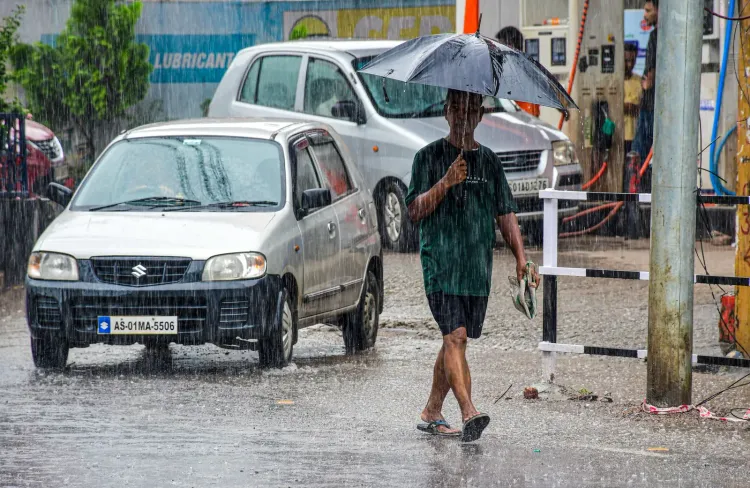
Five of India's eight Northeastern states recorded below-normal monsoon rainfall during June–July 2026, even as the region endured widespread floods and landslides, according to data released by the India Meteorological Department (IMD) on 1 August. Officials attribute the shortfall to weak rain-bearing systems over the Bay of Bengal, the absence of active monsoon troughs, and the influence of El Nino.
State-by-State Rainfall Deficit
Meghalaya recorded the steepest combined deficit for June–July at 58 per cent, followed by Arunachal Pradesh at 41 per cent, Manipur at 40 per cent, Assam at 28 per cent, and Mizoram at 24 per cent. Only Sikkim, Tripura, and Nagaland registered rainfall within the IMD's 'normal' band — defined as within 19 per cent of the Long Period Average (LPA) in either direction.
The deficit was even sharper in June alone. Meghalaya and Manipur were classified as 'Large Deficient' that month, recording shortfalls of 74 per cent and 71 per cent respectively. Across the Northeast, seven of eight states — all except Sikkim — posted substantial June deficits, signalling a weak start to the southwest monsoon season.
Regional Sub-Division in Deficit
The East and Northeast Meteorological Sub-Division — which covers the eight Northeastern states along with West Bengal, Jharkhand, and Bihar — registered an overall rainfall deficiency of more than 30 per cent across June and July combined. This accounts for the first two months of the four-month southwest monsoon season, which runs from June to September.
The southwest monsoon advanced into substantial parts of the Northeast on 7 June, two days behind its normal onset date, and covered the entire region by 10 June, according to IMD meteorological centres in Guwahati and Agartala.
El Nino Threat and Second-Half Outlook
A weather expert cited by officials warned that one of the strongest El Nino events on record is expected to develop during the second half of 2026, potentially driving hotter and drier conditions across large parts of Asia. The IMD has forecast below-normal rainfall — less than 94 per cent of the LPA — for the country during August–September 2026. However, the East and Northeast India sub-division is among the zones where normal to above-normal rainfall remains possible, offering a degree of cautious optimism.
Notably, this El Nino signal persists despite an earlier IMD revision of its overall monsoon forecast. Meteorologists reportedly remain hopeful that the Northeast will receive adequate rainfall during the season's peak phase.
Impact on Kharif Agriculture
Agricultural scientists and IMD officials underlined that adequate July rainfall is critical for the Kharif cropping season, when sowing activity across the Northeast gathers momentum. In Manipur, the situation is compounded by the state's prolonged ethnic conflict, which has disrupted farming operations, according to a senior official of the Manipur Agriculture Department.
'The state government has taken adequate security arrangements and other supportive measures to facilitate farming activities in both the Imphal Valley and the hill districts during the Kharif cropping season,' the official said.
The four-month southwest monsoon contributes nearly 70 per cent of India's annual rainfall and is the lifeline of the Northeast's largely rain-fed agrarian economy. Adequate rainfall in the remaining months would support Kharif cultivation, replenish rivers and reservoirs, and safeguard water security across the region. All eyes are now on August precipitation patterns and whether the El Nino signal intensifies further.
Point of View
Deficits in the data — exposes the danger of conflating intense localised downpours with seasonal adequacy. A 30-plus per cent sub-divisional deficit in the first two months is structurally damaging for rain-fed agriculture, regardless of headline flood imagery. El Nino's strengthening trajectory through the second half of 2026 raises the stakes further: if the peak-season recovery the IMD is banking on fails to materialise, the region's Kharif output and water security could both take a serious hit. Manipur's case is particularly stark — where climate stress and conflict-driven displacement are now compounding each other in ways that standard disaster-response frameworks are ill-equipped to handle.
NationPress
16 Sept 2026
Frequently Asked Questions
Why did Northeast India record a monsoon deficit despite widespread floods in 2026?
The floods were caused by intense, localised rainfall events rather than sustained seasonal precipitation. According to IMD officials, the overall monsoon deficit stems from weak rain-bearing systems over the Bay of Bengal, the absence of active monsoon troughs, and the influence of El Nino — factors that reduce cumulative seasonal totals even when short bursts trigger flooding.
Which Northeastern states had the worst monsoon deficit in June–July 2026?
Meghalaya recorded the highest deficit at 58 per cent for June–July combined, followed by Arunachal Pradesh at 41 per cent, Manipur at 40 per cent, Assam at 28 per cent, and Mizoram at 24 per cent. Sikkim, Tripura, and Nagaland were within the IMD's normal range.
What is the IMD's monsoon forecast for August–September 2026?
The IMD has forecast below-normal rainfall — less than 94 per cent of the Long Period Average — for most of the country during August–September 2026. However, parts of East and Northeast India are expected to receive normal to above-normal rainfall, offering some relief for the region.
How does the El Nino affect the Northeast India monsoon?
El Nino suppresses monsoon moisture by weakening the low-pressure systems over the Bay of Bengal that drive rainfall into the Northeast. A weather expert cited by officials warned that one of the strongest El Nino events on record is expected to develop in the second half of 2026, potentially intensifying dry conditions across Asia.
How is the monsoon deficit affecting farming in Northeast India?
The deficit threatens the Kharif cropping season, during which sowing activity across the Northeast peaks in July. In Manipur, the shortfall is compounding disruption already caused by the state's prolonged ethnic conflict, with irrigation infrastructure described as inadequate. The four-month southwest monsoon contributes nearly 70 per cent of India's annual rainfall and is the backbone of the region's rain-fed agriculture.