Agniveer tenure extension to 6 years: Political battle lines drawn

Synopsis
The Centre's decision to extend Agniveer tenure from four to six years has reignited one of India's sharpest defence-policy debates. While supporters see it as a step toward permanency, the opposition argues it is a fig leaf — leaving tens of thousands of young soldiers without pensions, permanent status, or welfare benefits after their service ends.
Key Takeaways
The Centre has extended the Agniveer service tenure from four years to six years .
Bihar Minister Deepak Prakash and aspirants hailed the move as a positive opportunity for youth.
SP MP Ramshankar Rajbhar called it a 'lollipop,' demanding permanent government jobs for Agniveers.
Sivadasan said the scheme has 'devastated' the military system; Agniveers lose welfare benefits even after six years.
Congress leader Balasaheb Thorat called for Agniveers to serve until retirement age, noting they face unemployment as early as 25–27 .
The Agniveer scheme was launched in 2022 ; this extension is its most significant structural change since inception.
The Centre's decision to extend the service tenure of Agniveers from four years to six years has triggered a sharp and divided political response, with supporters calling it a progressive reform and opponents denouncing it as a cosmetic gesture that falls far short of guaranteeing permanent employment or pension rights for young military personnel.
Supporters Hail the Move
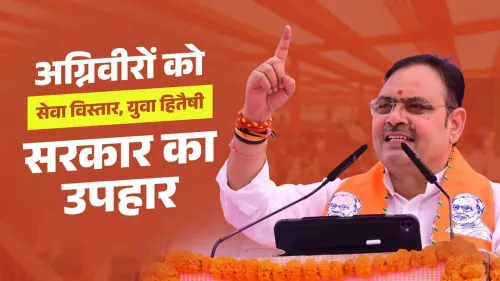
Bihar Panchayati Raj Minister Deepak Prakash welcomed the announcement, saying, 'This is a highly welcome step. It opens up avenues for the youth joining the Agniveer scheme, potentially leading to permanent appointments as soldiers.'
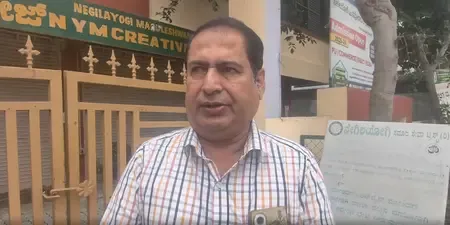
Pankaj Katare, an Agniveer aspirant, echoed that optimism. 'This is a great opportunity for all the young people who are preparing for it,' he said. Trainer Lokesh Sahu added that the extended tenure would boost patriotism and morale among youth, and noted that Agniveers would gain a competitive edge when applying to police forces and paramilitary bodies such as the Central Reserve Police Force (CRPF) after their service ends.
Opposition: 'Lollipop' and 'Deception'
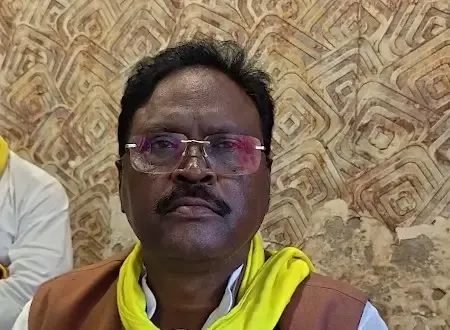
Samajwadi Party (SP) Member of Parliament Ramshankar Rajbhar dismissed the extension as a 'lollipop' and an act of deception. He questioned why Agniveers are not being granted regular government jobs, arguing that the existing structure effectively converts soldiers into 'outsourced' personnel without the security or dignity that military service warrants. 'If the government has the courage and its intentions are genuine, it should grant them the right to full-time, lifelong employment,' he said.
Communist Party of India (Marxist) MP V. Sivadasan went further, stating that the Agniveer scheme has 'devastated the entire military system and structure.' He pointed out that even after the extended six-year tenure, personnel will lose access to canteen facilities and other welfare benefits — questioning what the scheme ultimately delivers to either the soldier or the armed forces.
Congress Calls for Full Service Until Retirement
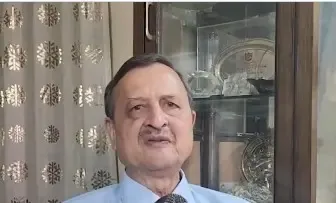
Senior Indian National Congress leader and former Agriculture Minister Balasaheb Thorat argued that a two-to-four-year extension misses the point entirely. 'What purpose does a mere two-to-four-year tenure serve? If they retire at the age of 25 or 27, what are they expected to do thereafter?' he asked, calling for Agniveers to be permitted to serve until regular retirement age.
The Larger Debate Around Agniveer
The Agniveer scheme, launched in 2022, was designed to recruit short-tenure soldiers across the Army, Navy, and Air Force, with only a fraction — roughly 25% — offered permanent absorption. Critics, including opposition parties and veterans' groups, have consistently demanded scrapping or overhauling the scheme, citing concerns over job security, pension denial, and the long-term impact on military readiness. The two-year extension is the Centre's most significant structural modification to the scheme since its inception, though it stops short of addressing the core demand for permanent service and pension parity.
With general elections having kept the Agniveer debate alive as a political flashpoint, the latest revision is unlikely to end the controversy — but it signals that the Centre is responding, at least incrementally, to mounting pressure.
Point of View
Not a structural solution. The fundamental complaint — that Agniveers are denied pension, permanent status, and meaningful welfare after service — remains entirely unaddressed. What the Centre has done is buy time politically while the scheme's core design flaws persist. The opposition's demand for permanent employment reflects a genuine public anxiety: a generation of trained young soldiers being cycled out at 25 with limited guarantees is neither good for the individuals nor, critics argue, for long-term military readiness. Until the government publishes transparent data on how many Agniveers have been permanently absorbed and into which roles, the credibility gap between intent and outcome will only widen.
NationPress
5 Nov 2026
Frequently Asked Questions
What is the Agniveer service tenure extension about?
The Centre has extended the Agniveer military recruitment scheme's service duration from four years to six years. The move is intended to give recruits more time within the armed forces, but critics argue it still falls short of offering permanent employment or pension benefits.
Why are opposition parties criticising the Agniveer extension?
Opposition parties including the SP, CPI(M), and Congress argue the extension is a superficial gesture that does not address the core issues — no permanent job, no pension, and loss of welfare benefits after service ends. SP MP Ramshankar Rajbhar called it a 'lollipop,' while Congress leader Balasaheb Thorat said Agniveers should be allowed to serve until retirement.
What benefits do Agniveers lose after their service ends?
According to CPI(M) MP V. Sivadasan, Agniveers lose access to canteen facilities and other welfare schemes once their tenure concludes, even under the extended six-year period. The scheme does not currently guarantee pensions or permanent government employment to all recruits.
Who supports the Agniveer tenure extension?
Bihar Panchayati Raj Minister Deepak Prakash called it a 'highly welcome step' that opens avenues for permanent appointments. Aspirants and trainers also welcomed it, noting that Agniveers gain a competitive advantage in police and CRPF recruitment after their service.
What is the Agniveer scheme and when was it launched?
The Agniveer scheme was launched in 2022 to recruit short-tenure soldiers across the Indian Army, Navy, and Air Force. Only around 25% of recruits are offered permanent absorption; the rest exit the forces after their service period with a one-time financial package but no pension.