Ahmedabad logs 768 mm rainfall; AMC activates 24-hour monsoon control rooms
Synopsis
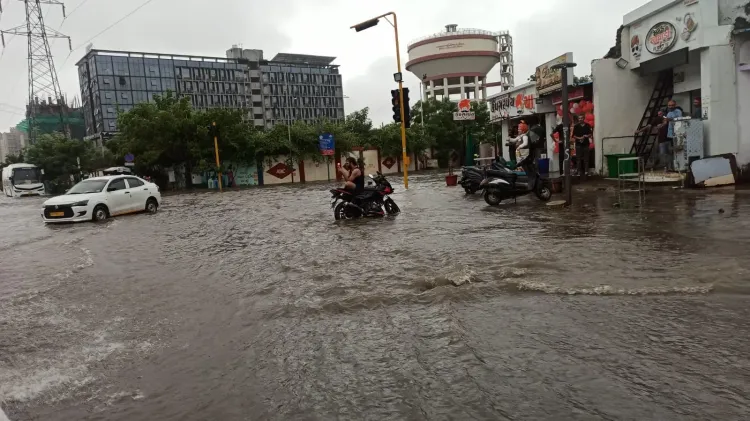
Ahmedabad has crossed 768 mm of cumulative rainfall in a single monsoon season, pushing the AMC into full emergency mode: seven round-the-clock control rooms, 92 pumps across the city, SCADA-monitored drains, and 629 personnel on the ground — all while one underpass remains shut and 23 waterlogging complaints are still under action.
Key Takeaways
Ahmedabad recorded 768.29 mm of cumulative rainfall as of 1 pm on 14 September 2026 , according to the AMC Monsoon Main Control Room.
The AMC activated round-the-clock Monsoon-2026 control rooms across all seven municipal zones under Mayor Hitesh Barot and Commissioner Banchhanidhi Pani .
92 pumps (34 Varun + 58 fighter pumps) were deployed citywide; 386.70 MLD of rainwater disposed of in 24 hours via SCADA-linked stations.
Seven gates at Vasna Barrage were opened, with the barrage level at 127.50 feet .
11 fallen-tree incidents and 25 waterlogging complaints were logged; 23 waterlogging cases remained under action at the time of the report.
The Health department conducted 1,269 chlorine tests on 12 September and distributed 15,166 chlorine tablets to prevent water-borne disease.
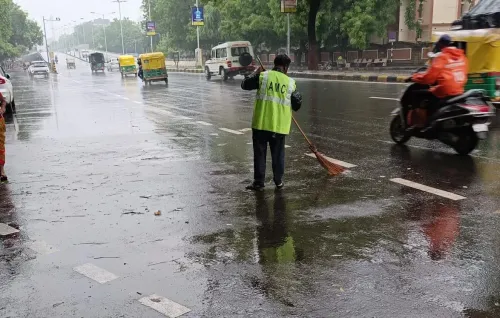
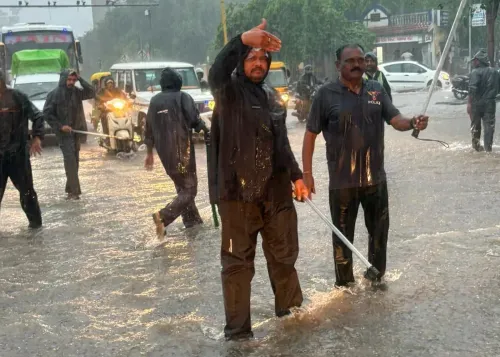
The Ahmedabad Municipal Corporation (AMC) activated round-the-clock monsoon control rooms across all seven municipal zones on 14 September 2026 as the city recorded 768.29 mm of cumulative rainfall up to 1 pm on Monday, according to the AMC Monsoon Main Control Room report. The civic body has deployed an extensive network of personnel, pumps, and monitoring systems to manage waterlogging, fallen trees, and drainage emergencies across Ahmedabad.
Control Room Network Across Zones
The special Monsoon-2026 control-room network was established under the supervision of Ahmedabad Mayor Hitesh Barot and Municipal Commissioner Banchhanidhi Pani. The main AMC monsoon control room is operating at Sanskar Kendra in Paldi, with dedicated zonal control rooms set up at prominent civic buildings across the city.
The Central Zone control room is at Sardar Patel Bhavan in Danapith; the West Zone at Ramanbhai Patel Bhavan in Usmanpura; the North West Zone at Rajmata Scindia Bhavan in Bodakdev; the South West Zone near Karnavati Club on SG Highway; the East Zone at Shri Harubhai Mehta Bhavan in Viratnagar; and the North Zone at Shri Rajiv Gandhi Bhavan in Memco. Telephone and WhatsApp numbers have been issued for residents to report emergencies directly.
Barrage, Underpasses, and Waterlogging Response
At Vasna Barrage, seven gates had been opened as of the report — gates 25, 26, and 27 to a height of three feet and gates 21, 22, 23, and 24 to two feet — with the barrage level recorded at 127.50 feet. Pumping operations for rainwater removal were continuing at Mithakhali.
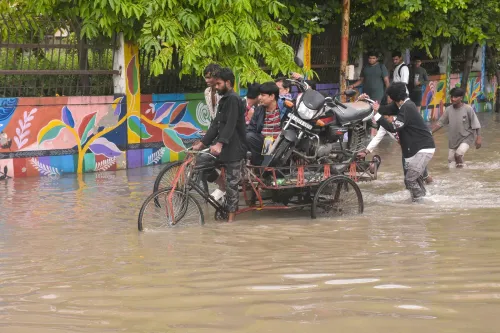
Of the city's 28 underpasses, one was closed due to rainwater accumulation and 27 remained open to traffic. A total of 81 pumps and 61 cameras had been installed at underpasses, all linked to the main control room via internet connectivity for real-time monitoring. Between midnight on 13 September and midnight on 14 September, 11 fallen-tree incidents were recorded through AMC's online complaint system, while 25 complaints related to rainwater accumulation were logged — 23 of which remained under action at the time of the report.
Pump Deployment and Infrastructure
To tackle waterlogging in low-lying areas, AMC deployed 92 Varun pumps — comprising 34 Varun pumps and 58 fighter pumps — across all zones. The North West Zone received the largest share with 24 pumps, followed by 12 each in the North, South, and East zones.
Across the city, 43 storm-water pumping stations, 79 drainage pumping stations, and 90 sumps were listed as operational. Between midnight and midnight on 13–14 September, AMC's SCADA-linked storm-water stations disposed of 386.70 million litres per day (MLD) of rainwater, while an additional 725.56 MLD was disposed of through sewage pumping stations over and above regular sewage flow.
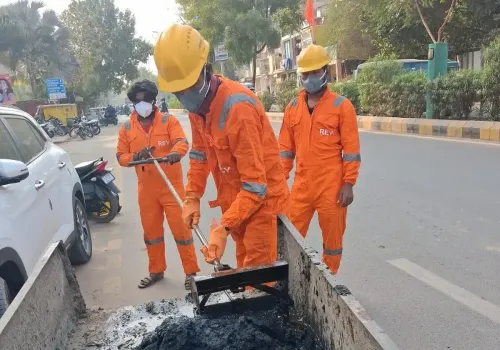
AMC also reported deploying 203 personnel in desilting teams, 426 labourers, and 49 tractors along with other machinery. An Emergency Response Team has been activated in every AMC ward, with engineering teams stationed at identified waterlogging points.
Public Health and Transport Measures
The AMC Health department has activated preventive measures to guard against water-borne and vector-borne diseases. On 12 September, around 1,269 chlorine tests were conducted across zones and 15,166 chlorine tablets distributed. A total of 158 outpatient department consultations were recorded on 13 September.
The Ahmedabad Municipal Transport Service kept 942 buses operational, including 306 buses on 14 routes for resident convenience and 16 buses dedicated to airport services. The civic body has appealed to residents to contact their respective zonal control rooms for any monsoon-related emergency and cooperate with authorities during the response effort.
With the monsoon season still active, AMC's real-time monitoring via SCADA and connected underpass cameras is expected to remain on high alert in the days ahead.
Point of View
SCADA monitoring, seven control rooms, 629 ground personnel — but the 23 unresolved waterlogging complaints and the one closed underpass are reminders that infrastructure can be outpaced by rainfall intensity. Ahmedabad's drainage system has historically struggled with flash accumulation, and 768 mm in a single season tests its design limits. The real accountability question is whether the SCADA data and chlorine-test records will be made public, allowing residents and civic watchdogs to verify that the response matched the scale of the event.
NationPress
14 Sept 2026
Frequently Asked Questions
How much rainfall has Ahmedabad recorded in the 2026 monsoon season so far?
Ahmedabad recorded 768.29 mm (30.25 inches) of cumulative rainfall as of 1 pm on 14 September 2026, according to the AMC Monsoon Main Control Room report.
What emergency measures has the AMC activated in response to heavy rain?
The AMC has activated round-the-clock Monsoon-2026 control rooms across all seven municipal zones, deployed 92 pumps for waterlogging, stationed 629 ground personnel, and linked 42 storm-water pumping stations to a SCADA monitoring system. Emergency Response Teams have also been activated in every AMC ward.
What is the current status of Vasna Barrage?
Seven gates of Vasna Barrage were open as of the report — gates 25, 26, and 27 at three feet and gates 21, 22, 23, and 24 at two feet. The barrage level was recorded at 127.50 feet.
Are city roads and underpasses affected by the rain?
Of Ahmedabad's 28 underpasses, one was closed due to rainwater accumulation and 27 remained open to traffic as of 14 September 2026. A total of 81 pumps and 61 cameras are installed at underpasses, monitored in real time from the main control room.
What health precautions is the AMC taking during the monsoon?
The AMC Health department conducted around 1,269 chlorine tests across zones on 12 September and distributed 15,166 chlorine tablets to prevent water-borne disease. A total of 158 outpatient department consultations were recorded on 13 September, with teams focused on controlling water-borne and vector-borne illnesses.