Army Commander Lt Gen Pratik Sharma reviews counter-terror grid in South Kashmir
Synopsis
Northern Command chief Lt Gen Pratik Sharma's South Kashmir review underscores a tightening counter-terrorism posture as India deploys 3,500 troops and Para commandos across Jammu's toughest terrain. With winter infiltration season approaching, the visit signals the Army's intent to maintain an intelligence-led, precision-first doctrine.
Key Takeaways
Lt Gen Pratik Sharma , Northern Command chief, reviewed the counter-terrorism grid in South Kashmir on 13 September 2025 .
He emphasised adaptability, precision, sustained vigilance, and synergy for intelligence-driven operations.
3,000 infantry troops and 500 Para Special Forces commandos have been deployed across the Jammu region.
Deployment is focused on dense forests and mountains in Doda, Kathua, Poonch, Rajouri , and Kishtwar .
Temporary Operating Bases and high-altitude 'Snow Leopards' units are maintaining a persistent presence in vulnerable areas.
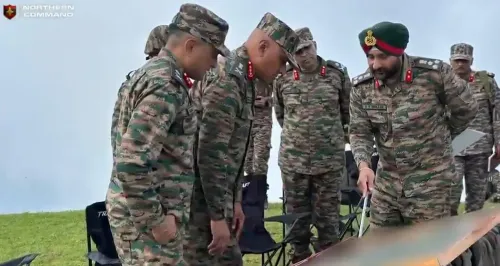
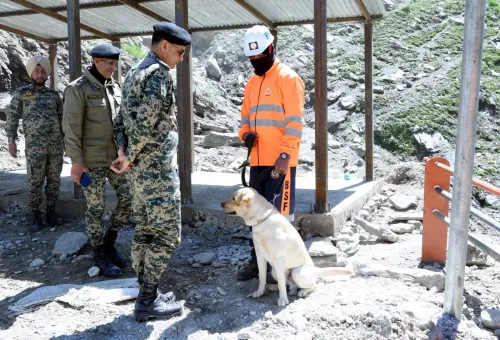
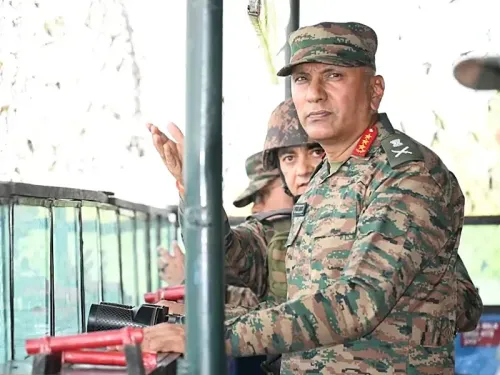
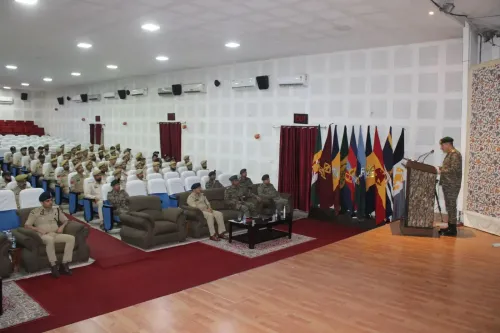
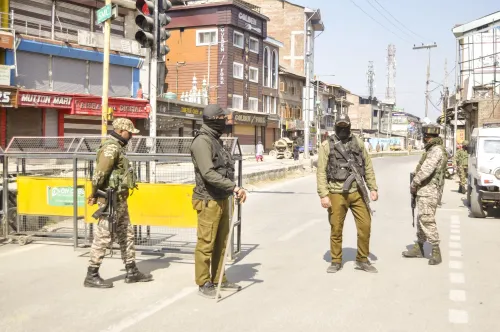
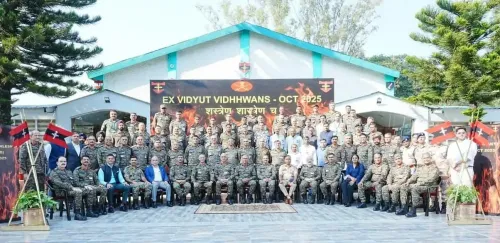
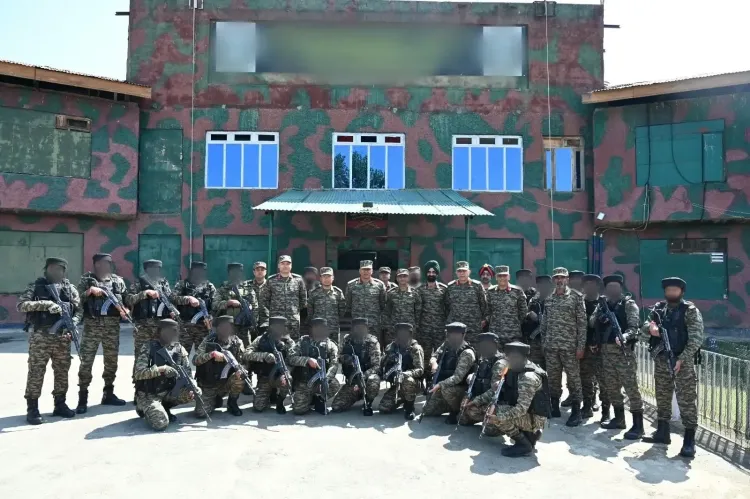
Lieutenant General Pratik Sharma, Army Commander of the Udhampur-headquartered Northern Command, reviewed the counter-terrorism grid in South Kashmir on Saturday, 13 September 2025, assessing the prevailing security scenario and operational preparedness across the volatile region. The review comes amid a sustained security push across Jammu and Kashmir, where the Indian Army, Jammu and Kashmir Police, and the Central Reserve Police Force (CRPF) continue coordinated anti-terrorist operations.
Key directives from the Army Commander
According to the Northern Command's post on social media platform X, Lt Gen Sharma was briefed on the security landscape and emphasised 'adaptability, precision, sustained vigilance and synergy' as the key enablers for successful, intelligence-driven operations and rapid response to emerging challenges.
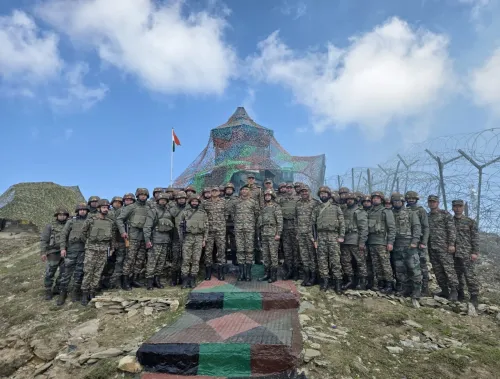
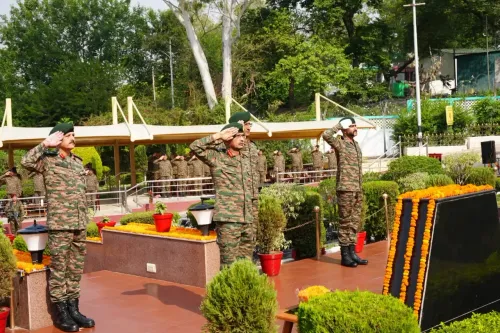
During his interaction with troops deployed in the area, the Army Commander reportedly appreciated their 'indomitable spirit and dedication towards keeping the region free of terror and ensuring peace and stability.'
Reinforcements and deployment in the Jammu region
The review takes place against the backdrop of a significant force reinforcement across the wider region. The Indian Army has reportedly deployed 3,000 regular infantry troops — a brigade-level force — alongside 500 Para Special Forces commandos to the higher reaches and rugged terrains of the Jammu region. This strategic induction, comprising three infantry battalions and elite Para Commandos, was executed to counter a spike in terrorist activities and to neutralise highly-trained foreign terrorists operating south of the Pir Panjal range.
The deployment is concentrated in the dense forests, caves, and mountainous terrains of districts including Doda, Kathua, Poonch, Rajouri, and Kishtwar — areas that have witnessed recurrent infiltration attempts in recent months.
Expanded security infrastructure
In tandem with the troop reinforcements, security forces have established Temporary Operating Bases (TOBs) in vulnerable higher reaches. Local police units have also integrated high-altitude combat teams — including the specialised 'Snow Leopards' unit — to maintain a constant presence in terrain where terrorists have historically sought refuge.
The security infrastructure in Jammu and Kashmir is a multi-layered grid comprising military, paramilitary, intelligence, and police agencies. It is coordinated at the highest level through a unified headquarters chaired by Lieutenant Governor Manoj Sinha. This comes amid what security officials have described as a recalibrated counter-terrorism doctrine that prioritises intelligence-led precision strikes over area-domination operations.
What lies ahead
The South Kashmir review signals the Northern Command's intent to tighten the counter-terrorism posture ahead of the approaching winter months, when infiltration attempts along the Line of Control (LoC) typically intensify before snow closes mountain passes. Security analysts will be watching whether the expanded grid and reinforcements translate into a measurable decline in terror incidents across the Union Territory.
Point of View
Precision operations, and the deployment of 3,500 troops including Para commandos reflects this recalibration. The real test, however, remains the winter corridor: infiltration spikes annually before snow seals the passes, and the expanded TOB network will face its first operational stress test in the coming months. Whether this grid can deliver measurably lower incident counts — not just operational presence — will determine if the reinforcements are strategic or performative.
NationPress
13 Sept 2026
Frequently Asked Questions
What did Lt Gen Pratik Sharma review in South Kashmir?
Lt Gen Pratik Sharma, Army Commander of the Northern Command, reviewed the counter-terrorism grid in South Kashmir on 13 September 2025. He was briefed on the prevailing security scenario and operational preparedness of forces deployed in the region.
How many troops have been deployed in the Jammu region?
Approximately 3,000 regular infantry troops and 500 Para Special Forces commandos have been deployed across the rugged terrains of the Jammu region, focused on districts like Doda, Kathua, Poonch, Rajouri, and Kishtwar.
What are Temporary Operating Bases in Jammu and Kashmir?
Temporary Operating Bases (TOBs) are forward positions established by security forces in vulnerable higher reaches to maintain a persistent counter-terrorism presence. They are complemented by high-altitude combat units such as the 'Snow Leopards.'
Who coordinates the security infrastructure in Jammu and Kashmir?
The multi-layered security grid in Jammu and Kashmir is coordinated at the highest level by a unified headquarters chaired by Lieutenant Governor Manoj Sinha, integrating military, paramilitary, intelligence, and police agencies.
Why is South Kashmir significant for counter-terrorism operations?
South Kashmir has historically been a hotspot for terrorist activity and infiltration in Jammu and Kashmir. Sustained operations by the Indian Army, J&K Police, and CRPF aim to keep the region free of terror and ensure stability ahead of the winter infiltration season.