Balochistan's Revenue Allocation: Just PKR 20 Million from National Pool of PKR 130 Billion
Synopsis
Balochistan receives a mere PKR 20 million from the national revenue pool of PKR 130 billion, raising concerns among officials and local business leaders about the province's highway infrastructure and economic challenges.
Key Takeaways
Balochistan received only PKR 20 million from a national pool of PKR 130 billion.
Annual maintenance costs for highways in Balochistan are approximately PKR 15 billion.
95 percent of Balochistan's economic activity relies on the highways.
The province holds nearly half of Pakistan's mineral wealth.
Local residents are largely excluded from the benefits of resource extraction.
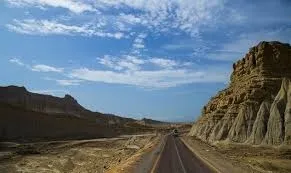
Quetta, April 19 (NationPress) Officials from the National Highway Authority (NHA) revealed that Balochistan, a province in Pakistan, has received a mere PKR 20 million from the national revenue pool, which totals PKR 130 billion. This allocation is particularly concerning given that the province boasts over 4,000 kilometers of national highways, as reported by local media.
During an interactive meeting with members of the Quetta Chamber of Commerce and Industry, National Highway Authority General Manager Agha Inayatullah and Director of Maintenance Raheel Ahmed Baloch discussed revenue generation, infrastructure maintenance, and development plans, according to the Daily Independent.
The NHA officials pointed out that approximately PKR 15 billion is required annually for maintaining highways in Balochistan. This funding is currently sourced from revenues generated by other provinces. They emphasized that collaboration with the local business community is essential for enhancing revenue and improving road infrastructure, as nearly 95 percent of Balochistan's economic activity is reliant on the highways managed by the NHA.
While representatives from the Quetta Chamber of Commerce praised the NHA's development efforts, they expressed concerns regarding the dismantling of operational roads, which imposes further burdens on residents due to Balochistan's challenging geography. They urged for the prompt completion of delayed projects and raised issues about road safety and infrastructure quality.
A report released in March indicated that the ongoing extraction of resources from Balochistan without meaningful engagement from local communities is likely to perpetuate resentment, militancy, and human rights violations. Balochistan is the largest province in Pakistan by area and possesses a significant share of the country's minerals, energy reserves, and strategic coastal assets. However, local residents have been largely excluded from decision-making processes and development benefits.
The European Times highlighted that recent expansions in extractive projects and security-focused mega-infrastructure initiatives have heightened grievances around land rights, livelihoods, and political autonomy, bringing indigenous rights to the forefront of Balochistan's crisis.
Balochistan is home to nearly half of Pakistan’s mineral wealth, with over 50 minerals recorded and around 39 currently being mined under more than 1,600 licenses. The province holds about 90 percent of Pakistan’s copper reserves, as well as notable deposits of gold, coal, chromite, barite, marble, and other industrial minerals.
Despite its wealth of resources, the people of Balochistan remain some of the poorest in the country. The Baloch Board of Investment and Trade reported that Balochistan produces essential minerals such as coal, copper, and lead-zinc barite; however, the revenue and employment opportunities from these industries predominantly benefit federal structures and private or foreign corporations, rather than local communities.
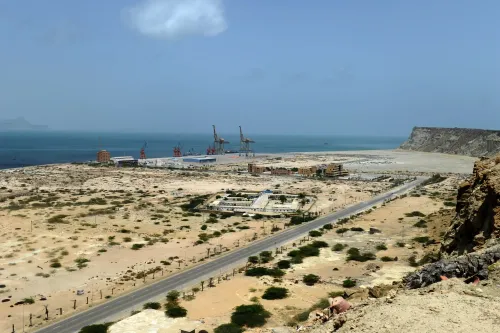
Numerous international and local human rights organizations have consistently asserted that major initiatives, including the China-Pakistan Economic Corridor (CPEC) and the port-city project in Gwadar, prioritize national and foreign interests over the rights and benefits of local inhabitants.
The report noted, "The connection between resource exploitation and indigenous rights is evident in Gwadar. Although heavily marketed as a flagship CPEC project, the port city is deprived of essential services like clean drinking water and stable electricity, despite the presence of multi-billion-dollar infrastructure. Local fishermen report facing harassment and restrictions on access to their traditional fishing grounds, leading to loss of livelihoods as commercial and security-related developments progress. Furthermore, Baloch activists have documented that jobs and contracts related to Gwadar and other CPEC corridors are frequently awarded to non-Baloch workers and firms, exacerbating feelings of economic exclusion and resource exploitation," the European Times reported.
Point of View
The situation in Balochistan underscores a significant imbalance in resource distribution and local governance. The reliance on external revenue for essential infrastructure maintenance highlights a need for equitable development policies that genuinely involve local stakeholders in decision-making processes.
NationPress
15 Oct 2026
Frequently Asked Questions
How much revenue did Balochistan receive from the national pool?
Balochistan received only PKR 20 million from a national revenue pool of PKR 130 billion.
What is the annual maintenance cost required for Balochistan's highways?
Approximately PKR 15 billion is needed annually for maintaining highways in Balochistan.
What percentage of business activity in Balochistan relies on highways?
About 95 percent of business activity in Balochistan depends on the highways managed by the National Highway Authority.
What resources does Balochistan possess?
Balochistan is rich in minerals, including copper, gold, coal, chromite, barite, and marble, holding nearly half of Pakistan's discovered mineral wealth.
What are the concerns raised by local business representatives?
Local business representatives expressed concerns over the dismantling of operational roads and the need for timely completion of infrastructure projects.