Bandhavgarh Tiger Reserve marks International Tiger Day with 200-tiger milestone
Synopsis
With around 200 tigers — including 165 adults — Bandhavgarh Tiger Reserve used International Tiger Day not just for ceremony but for structured community outreach: village awareness sessions, student exhibitions, a forest march, and the felicitation of Junior Fire Watchers. Field Director Anupam Sahay's framing of public participation as 'essential' signals a conservation model that increasingly depends on local buy-in, not just patrol density.
Key Takeaways
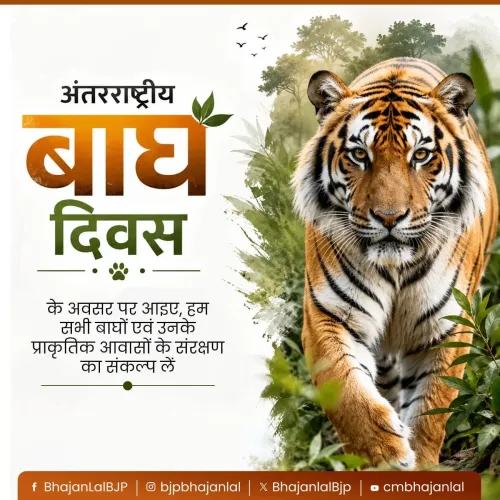
Bandhavgarh Tiger Reserve observed International Tiger Day on 29 July with conservation and awareness programmes.
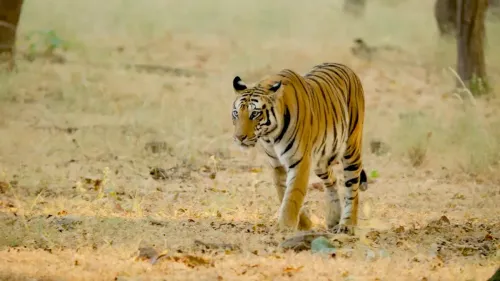
The reserve hosts around 200 tigers , including nearly 165 adults , making it one of India's most tiger-dense reserves.
Activities included student exhibitions, village awareness sessions, a forest march, and felicitation of Junior Fire Watchers .
Field Director Anupam Sahay credited community and student participation as essential to sustaining wildlife conservation.
Madhya Pradesh is recognised as India's 'Tiger State', with Bandhavgarh central to that designation.
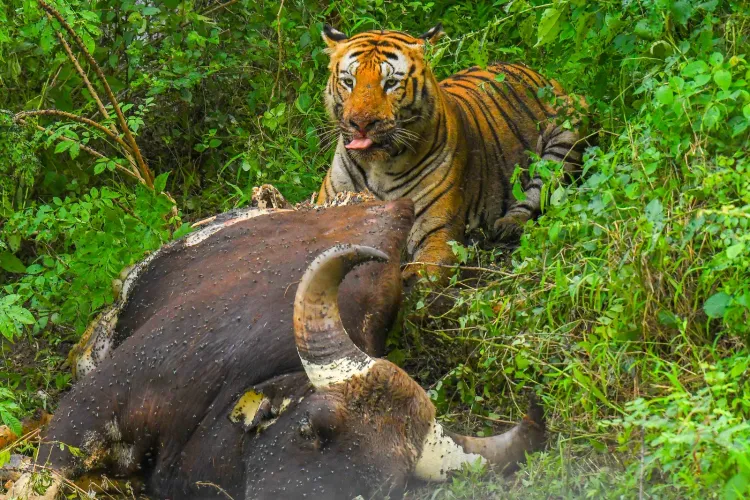
Bandhavgarh Tiger Reserve on Wednesday, 29 July observed International Tiger Day with a series of conservation outreach programmes, bringing together schoolchildren, villagers, and frontline forest staff to reinforce the reserve's role as one of India's premier tiger habitats. The reserve, home to around 200 tigers — including nearly 165 adults — used the occasion to spotlight community-led conservation as a cornerstone of its long-term strategy.
Key Programmes on the Ground
The day's activities spanned multiple formats. An exhibition was organised for students to learn about tiger conservation, biodiversity, and the ecological significance of forest ecosystems. Students interacted directly with forest officials, gaining first-hand insight into wildlife habitat protection.
Villagers from communities surrounding the reserve participated in dedicated awareness sessions, where forest officials discussed strategies for reducing human-wildlife conflict and outlined the role local residents play in safeguarding forest corridors.
A forest march involving forest officials, frontline staff, students, and local residents was also conducted to amplify the message of tiger and environmental conservation across the region.
Junior Fire Watchers Felicitated
One of the highlights of the day was the felicitation of Junior Fire Watchers — volunteers who assist the Forest Department in detecting and reporting forest fires. Their contribution is considered critical to preventing habitat loss, particularly during the dry season when fire risk peaks across central Indian forests.
What the Field Director Said
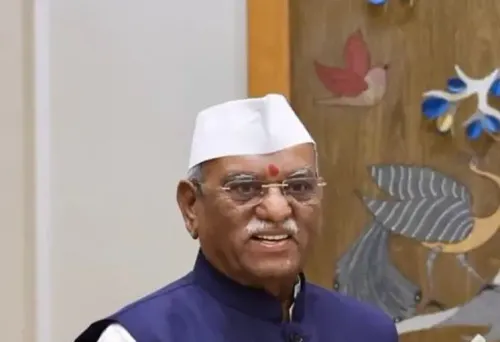
Bandhavgarh Field Director Anupam Sahay said the reserve has been central to establishing Madhya Pradesh as the country's 'Tiger State'. 'Bandhavgarh is home to around 200 tigers, including nearly 165 adults. Our efforts are focussed not only on protecting tigers but also on involving local communities and children in conservation activities. Public participation is essential for sustaining wildlife conservation,' Sahay said.
Sahay added that Bandhavgarh has earned international recognition and continues to attract wildlife enthusiasts from across the world, owing to its healthy tiger population and rich biodiversity.
Broader Conservation Context
Bandhavgarh's tiger count places it among the most densely populated tiger reserves in the country. This comes amid India's broader success in reversing tiger population decline — the country now holds more than 70% of the world's wild tiger population, according to government data. Notably, Madhya Pradesh has consistently led state-level tiger counts in recent national censuses, and Bandhavgarh's figures underpin much of that standing.
The programmes organised on International Tiger Day were, according to Sahay, aimed at building a wider constituency for conservation — turning passive bystanders into active partners in forest protection. With human-wildlife conflict remaining a persistent challenge in buffer zones, community buy-in is increasingly seen as non-negotiable for long-term tiger survival.
Point of View
Which is smart policy in reserves where buffer-zone populations can either protect or undermine habitat. What mainstream coverage misses is the tension this creates — community involvement is necessary, but human-wildlife conflict in these same villages is rising. Sahay's optimism is warranted on tiger numbers, but the harder question is whether conservation dividends are actually reaching the communities being asked to bear the costs of living alongside tigers.
NationPress
28 Oct 2026
Frequently Asked Questions
How many tigers does Bandhavgarh Tiger Reserve have?
Bandhavgarh Tiger Reserve is home to around 200 tigers, including nearly 165 adults, according to Field Director Anupam Sahay. This makes it one of the most tiger-dense reserves in India.
What is International Tiger Day and when is it observed?
International Tiger Day is observed annually on 29 July to raise awareness about tiger conservation and the threats facing wild tiger populations globally. It was established at the 2010 Saint Petersburg Tiger Summit.
What programmes did Bandhavgarh organise for International Tiger Day?
The reserve organised student exhibitions on biodiversity and tiger conservation, village awareness sessions on human-wildlife conflict, a forest march involving officials and residents, and a felicitation ceremony for Junior Fire Watchers.
Who are Junior Fire Watchers and why were they honoured?
Junior Fire Watchers are community volunteers who assist the Forest Department in detecting and reporting forest fires, helping prevent habitat loss. They were felicitated at Bandhavgarh on International Tiger Day for their contribution to forest protection.
Why is Madhya Pradesh called India's Tiger State?
Madhya Pradesh has consistently recorded the highest tiger population among all Indian states in national tiger censuses. Bandhavgarh, along with reserves like Kanha and Pench, has been central to the state earning and retaining that distinction.