Bangladesh-India ties: Why a reset on equality and mutual interest is overdue
Synopsis
The Bangladesh-India relationship is at an inflection point — not merely strained, but structurally overdue for redesign. The old model, built on political proximity rather than institutional reciprocity, has cracked under the weight of the 2024 transition in Dhaka. The real question is whether both sides can move from dependency and suspicion to a framework where geography and mutual interest, not political alignment, define the terms.
Key Takeaways
Bangladesh-India ties entered a complicated phase following Bangladesh's political transition in August 2024 , straining perceptions on both sides.
The bilateral trade balance has historically been heavily skewed toward India , with non-tariff barriers constraining Bangladeshi exports.
Bangladesh and India share 54 rivers ; the unresolved Teesta dispute remains a major flashpoint for water and agricultural security.
The upcoming renewal of the 1996 Ganges Water Sharing Treaty is seen as an opportunity for broader transboundary river management.
Bangladesh has raised concerns about civilian deaths from lethal force along the shared border; analysts call for a modern, humane border management framework.
Analysts argue the relationship must shift from political dependency to institutional engagement, reciprocity, and respect for each country's sovereign foreign policy choices.
Bangladesh and India are navigating one of the most consequential and complicated phases in their bilateral relationship. Political shifts in Bangladesh since 2024, unresolved disputes over shared rivers and border management, and persistent friction over trade and connectivity have fuelled a perception that ties between Dhaka and New Delhi are under unusual strain. Yet reducing the relationship to a simple label of 'tense' misses a deeper reality: the two nations are structurally interdependent, and neither can afford a permanently adversarial posture.
The real challenge, according to analysts, is not to revive the old model of bilateral engagement but to construct a new one — grounded in equality, reciprocity, sovereignty, and clearly defined mutual interest. As one political and international affairs analyst argues, Bangladesh needs India, but India equally needs a stable, prosperous, and cooperative Bangladesh.
Political Transition and Its Diplomatic Fallout
The political transition in Bangladesh in August 2024 has inevitably cast a shadow over bilateral ties. India raised concerns about political stability, minority security, border management, and the trajectory of Bangladesh's foreign policy. Simultaneously, many in Bangladesh questioned New Delhi's historically close ties with the previous political establishment, viewing India as too aligned with a particular political configuration in Dhaka.
These perceptions carry real diplomatic weight. Foreign policy is shaped not only by government decisions but also by public trust. If both sides increasingly view each other through a narrow, suspicious lens, the space for constructive diplomacy contracts. Both governments, analysts argue, share a fundamental interest in separating the state-to-state relationship from domestic political alignments.
Trade Imbalance and Connectivity: Shared Assets, Not Favours
A recalibrated relationship should not abandon the achievements of the past decade and a half. Bangladesh and India have developed substantial cooperation across trade, transport, energy, security, and people-to-people links — including expanded rail, road, and inland waterway corridors. Bangladesh occupies a strategically significant position between South Asia and Southeast Asia, while India surrounds it on three sides and remains its largest immediate neighbour.
Trade, however, illustrates both the potential and the problem. The bilateral trade balance has historically been heavily tilted toward India, with Bangladeshi exports remaining far smaller than imports. Non-tariff barriers, certification requirements, and weak logistics continue to constrain Bangladeshi access to the Indian market. A more balanced relationship, analysts contend, does not require an artificial trade equilibrium — it requires both sides to address structural constraints through better customs procedures, recognised standards, and investment partnerships. Connectivity, similarly, should be governed by transparent commercial arrangements so that transit corridors, ports, and waterways are mutually profitable rather than merely symbolic.
Water Diplomacy: The Unresolved Teesta and the Ganges Precedent
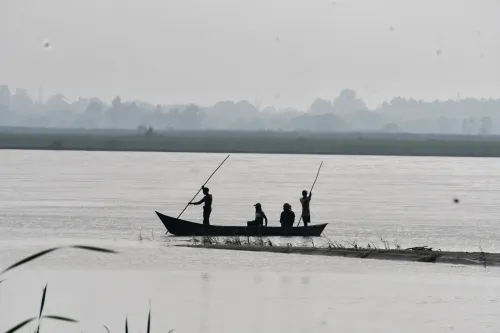
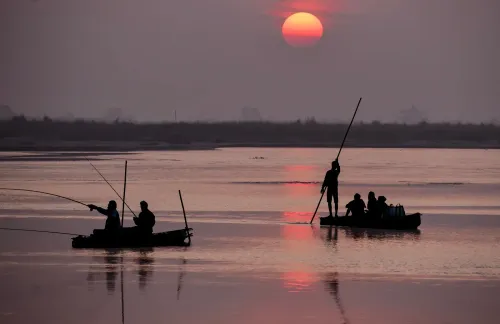
Bangladesh and India share 54 rivers, making water cooperation a defining feature of the relationship. The 1996 Ganges Water Sharing Treaty demonstrated that even difficult disputes can be resolved through sustained negotiation. Yet the unresolved Teesta issue remains a major source of frustration in Bangladesh, with direct implications for agriculture and water security in the country's north. For India — particularly West Bengal — the issue touches its own agricultural and political interests, making the dispute difficult but not intractable.
The upcoming renewal of the Ganges treaty offers an opportunity to move beyond zero-sum framing toward a broader system of transboundary river management, encompassing joint hydrological data, flood forecasting, and climate adaptation. Rising climate uncertainty makes such cooperation increasingly urgent, analysts note.
Border Management and Security Cooperation
India remains concerned about illegal migration, smuggling, and cross-border crime, while Bangladesh has repeatedly raised concerns about civilian deaths and the use of lethal force along the border. A modern framework, analysts argue, should protect sovereignty while reducing unnecessary violence — through greater use of non-lethal technologies, coordinated investigations, and stronger action against organised criminal networks.
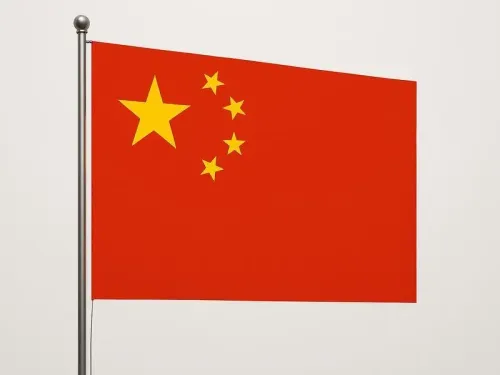
Security cooperation remains an important area of mutual interest, with both countries sharing concerns about terrorism, organised crime, and instability across the wider Bay of Bengal region. However, this cooperation should not translate into viewing every Bangladeshi policy choice through an Indian security lens. Bangladesh must retain the freedom to develop relations with China, Japan, the United States, ASEAN countries, and other partners. A sovereign Bangladesh pursuing diversified partnerships is not inherently a threat to India — and mutual reassurance, not pressure, is more likely to produce long-term stability.
The Path to a More Durable Relationship
The future of Dhaka-Delhi relations will depend not on how quickly both sides return to the past, but on whether they can build something more sustainable. The old relationship was often described in terms of historical affinity and political friendship — valuable, but insufficient on their own. Contemporary ties also require institutional predictability and measurable reciprocity.
The Rohingya crisis adds a further layer of complexity: Bangladesh continues to host a very large displaced population from Myanmar, while India has its own security and migration concerns in the region. Greater bilateral cooperation, alongside engagement with Myanmar and other regional actors, could contribute to a broader regional response.
Mature relationships, analysts observe, are defined not by the absence of disagreements but by the capacity to manage them without letting them undermine cooperation. If Dhaka and Delhi can move from political expectations to institutional engagement, from dependency to interdependence, and from rhetoric to reciprocity, the relationship can emerge stronger — not as a retreat from their shared history, but as its more durable foundation.
(Views expressed are those of the analyst and do not represent NationPress editorial positions.)
Point of View
Not just politically strained. New Delhi's historical tendency to conflate bilateral stability with proximity to a particular Dhaka government has consistently produced fragility, not durability. The Teesta deadlock, now years old, is the clearest symptom: a solvable technical problem held hostage to West Bengal's electoral calendar. Meanwhile, the trade imbalance — uncorrected despite repeated diplomatic cycles — signals that India has not yet treated Bangladesh as an equal economic partner. The 2024 transition is not the cause of the problem; it is a stress test that has exposed how shallow the institutional foundations were all along.
NationPress
11 Oct 2026
Frequently Asked Questions
Why are Bangladesh-India relations under strain?
Relations came under strain following Bangladesh's political transition in August 2024, which prompted India to raise concerns about political stability, minority security, and the direction of Bangladesh's foreign policy. Many in Bangladesh, in turn, questioned India's close identification with the previous political establishment. Unresolved disputes over the Teesta river, trade imbalances, and border violence have compounded the friction.
What is the Teesta water dispute between Bangladesh and India?
The Teesta is a river shared by Bangladesh and India whose water-sharing arrangement remains unresolved despite years of negotiations. Bangladesh depends on Teesta waters for agriculture and water security in its northern regions, while India — particularly West Bengal — has its own agricultural and political stakes in the river's flow. The 1996 Ganges Water Sharing Treaty is cited as a precedent showing such disputes can be resolved through sustained negotiation.
How imbalanced is trade between Bangladesh and India?
The bilateral trade balance has historically been heavily tilted toward India, with Bangladeshi exports remaining far smaller than imports. Non-tariff barriers, certification requirements, and weak logistics continue to limit Bangladesh's access to the Indian market. Analysts argue that better customs procedures, recognised standards, and investment partnerships could create a more equitable arrangement benefiting both economies.
Can Bangladesh pursue ties with China and other powers without threatening India?
Analysts argue that a sovereign Bangladesh pursuing diversified partnerships with China, Japan, the United States, and ASEAN countries is not inherently a threat to India. They contend that mutual reassurance — rather than pressure — is more likely to produce long-term regional stability, and that India should recognise Dhaka's engagement with other powers as a legitimate exercise of sovereign foreign policy.
What would a reset in Bangladesh-India ties look like?
A reset would involve moving from political proximity to institutional engagement, addressing the Teesta dispute through sustained negotiation, reducing trade barriers for Bangladeshi exports, reforming border management to minimise civilian casualties, and treating connectivity as a shared commercial asset rather than a favour. Analysts stress that the relationship should be less dependent on personalities and political parties, since geography and economic interdependence outlast any government.