Bangladesh measles outbreak 2026: Vaccine failures, procurement lapses behind crisis
Synopsis
A new GCDG report reveals Bangladesh's 2026 measles outbreak was entirely foreseeable — the result of a government-driven switch in vaccine procurement that UNICEF warned against in writing at least five times. With only 17.8 million of 70 million required doses procured in late 2025, and coverage crashing to a record-low 56.2%, the crisis is less a public health surprise and more an accountability failure spanning two successive governments.
Key Takeaways
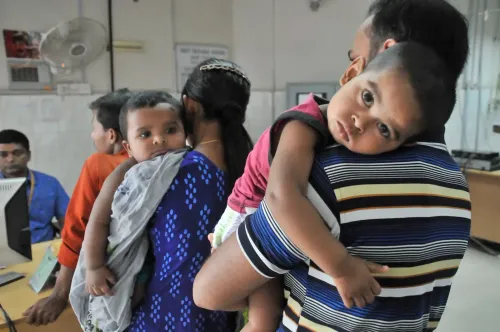
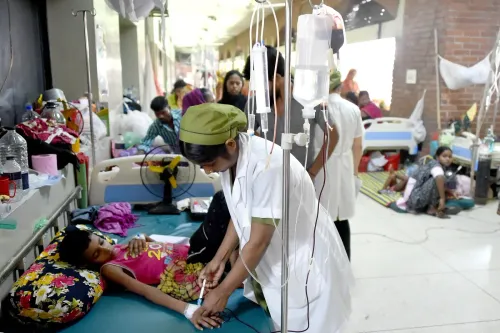
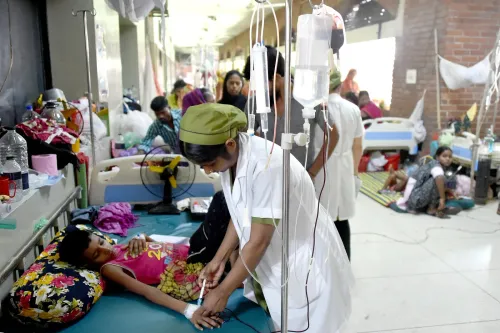
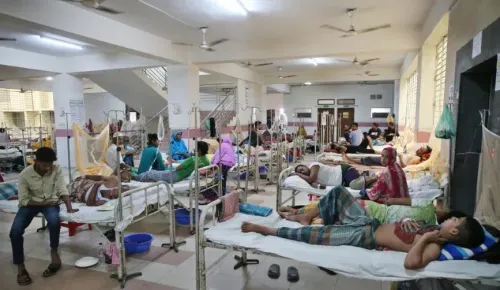
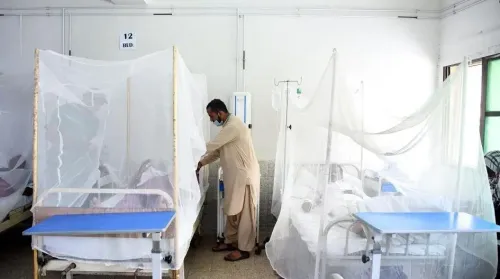
The Global Centre for Democratic Governance (GCDG) has labelled Bangladesh's 2026 measles outbreak one of the country's worst recent public health crises.
Measles vaccination coverage fell to 56.2 per cent in 2025 — the lowest level recorded between 2017 and 2025 , according to EPI data.
Only 17.8 million doses were procured between August and November 2025 , against an annual requirement of approximately 70 million doses .
UNICEF sent five to six formal letters and held around 10 meetings warning the former interim government of an impending vaccine shortage.
The current BNP government was criticised for delayed response — key measures were not completed until late May despite warnings in April .
The report also cited 'information opacity' as a serious failure of the current government's crisis communication.
Bangladesh's 2026 measles outbreak — now described as one of the country's worst public health crises in recent history — was not a sudden event but the foreseeable result of systemic vaccine procurement failures and administrative breakdowns, according to a new report by a Canada-based international advocacy group. The Global Centre for Democratic Governance (GCDG), in its report titled Preventable Tragedy: Bangladesh's 2026 Measles Outbreak, concluded that the crisis was entirely avoidable given that measles is a vaccine-preventable disease.
What the Report Found
The GCDG found that the outbreak stemmed from a cascade of failures during 2024–2025, a period spanning the tenure of the former interim government led by Muhammad Yunus. These included disruptions to vaccine supply chains, missed routine immunisations, cancellation of scheduled supplementary immunisation programmes, administrative delays in procurement, and a failure to identify at-risk child populations in time.
Critically, the report noted that Bangladesh had long sourced WHO-approved vaccines through UNICEF's established international supply chain. The interim government replaced this system with an open tender procurement process — a shift that, according to the GCDG, introduced delays that proved fatal to immunisation coverage.
UNICEF Warnings Went Unheeded
According to the report, UNICEF issued repeated formal warnings about an impending vaccine shortage — sending five to six formal letters and holding approximately 10 meetings with the interim government between 2024 and 2026. Despite this, procurement did not keep pace with need.
Bangladesh's routine immunisation programme requires approximately 70 million doses of various vaccines annually. However, only 17.8 million doses were procured using UNICEF's advance funding between August and November 2025. The GCDG noted that UNICEF attributed the shortfall to 'indecision over the procurement method and the lengthy open tender process,' which made timely vaccine acquisition impossible even after funds were allocated.
Vaccination Coverage Collapsed
Citing data from Bangladesh's Expanded Programme on Immunisation (EPI), as reported by Bangladeshi daily Samakal, the GCDG noted that measles vaccination coverage fell to 56.2 per cent in 2025 — the lowest level recorded in the period between 2017 and 2025. WHO subsequently identified a nationwide stock-out of the measles-rubella (MR) vaccine during 2024–2025 and the absence of regular vaccination sessions as the primary contributors to declining immunity among children and the eventual outbreak.
Current Government's Response Criticised
The GCDG also trained its criticism on the current Bangladesh Nationalist Party (BNP) government, which came to power earlier this year, accusing it of failing to respond swiftly to 'known and measurable risks.' Despite warnings about hospital overcrowding, isolation gaps, and referral failures flagged as early as April, the report states that critical measures — including equipment procurement, establishment of temporary isolation units, deployment of health workers, and formulation of standard treatment protocols — were not completed until late May.
The organisation also flagged what it termed 'information opacity' as a distinct and serious failure, criticising the current government's lack of transparency in communicating the scale and status of the outbreak to the public.
What Comes Next
The GCDG report underscores that Bangladesh's measles crisis is a systemic failure rather than an isolated public health event, implicating both the former interim administration and the current government. With vaccination coverage still recovering and public trust in health institutions under strain, experts and international agencies will be watching closely whether Bangladesh can restore routine immunisation rates and rebuild its supply chain safeguards before another preventable outbreak takes hold.
Point of View
And the epidemiological risk was, by the report's own framing, entirely predictable. What the report exposes is not a health system overwhelmed by an unknown pathogen, but a procurement bureaucracy that prioritised process over outcomes while children lost immunity. The fact that the current BNP government also failed to act on April warnings until late May suggests the accountability gap transcends any single administration. Bangladesh's measles crisis is ultimately a governance story wearing a public health mask.
NationPress
21 Sept 2026
Frequently Asked Questions
What caused Bangladesh's 2026 measles outbreak?
According to the GCDG report, the outbreak was caused by a combination of vaccine procurement failures, cancellation of immunisation sessions, and administrative delays during 2024–2025 under the former interim government. A switch from UNICEF's established supply chain to an open tender process led to critical shortages of the measles-rubella vaccine.
How low did Bangladesh's measles vaccination coverage fall?
Measles vaccination coverage fell to 56.2 per cent in 2025, the lowest level recorded between 2017 and 2025, according to EPI data cited in the GCDG report. WHO identified the nationwide vaccine stock-out and lack of regular vaccination sessions as the primary causes of the immunity decline.
Did UNICEF warn Bangladesh's government about the vaccine shortage?
Yes. According to the GCDG report, UNICEF sent five to six formal letters and held approximately 10 meetings with the former interim government between 2024 and 2026, warning of an impending shortage. Despite funds being allocated, vaccines could not be procured on time due to indecision over the procurement method.
How did the current BNP government respond to the outbreak?
The GCDG criticised the current Bangladesh Nationalist Party government for a slow and inadequate response. Despite warnings about hospital overcrowding and isolation gaps in early April, key measures including equipment procurement and establishment of isolation units were not completed until late May.
Who published the report on Bangladesh's measles outbreak?
The report, titled 'Preventable Tragedy: Bangladesh's 2026 Measles Outbreak', was published by the Global Centre for Democratic Governance (GCDG), a Canada-based international advocacy organisation. It assessed both the former interim government's procurement failures and the current government's crisis response.