Chhattisgarh CM Unveils Ambitious Bastar 2.0 Development Strategy Following Meeting with PM Modi
Synopsis
Chhattisgarh's Chief Minister, Vishnu Deo Sai, has unveiled the transformative Bastar 2.0 development strategy after discussions with Prime Minister Modi. This plan aims to revitalize the Bastar region, long hindered by Naxalism, by focusing on infrastructure, agriculture, and tourism.
Key Takeaways
Bastar 2.0 initiative aims to promote socio-economic development.
Focus on enhancing agriculture and increasing the value of forest produce.
Significant emphasis on tourism and sustainable livelihoods.
Infrastructure projects include Jagdalpur airport expansion.
Community empowerment and local engagement are central to the plan.
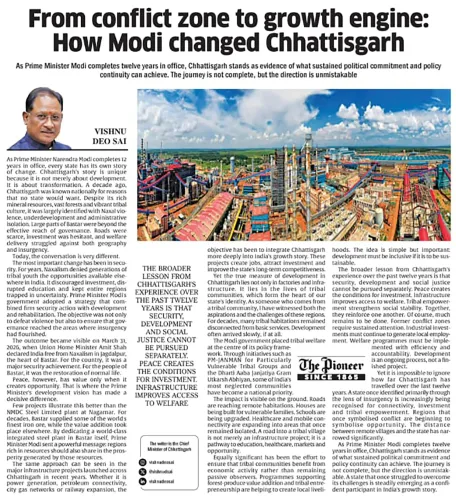
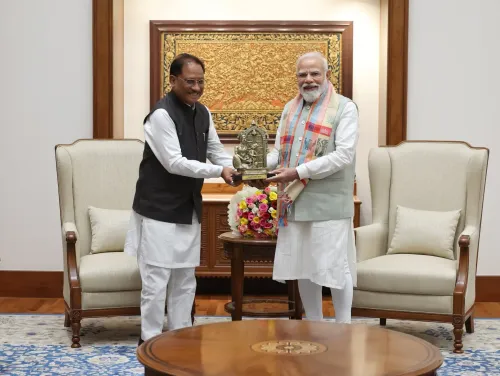
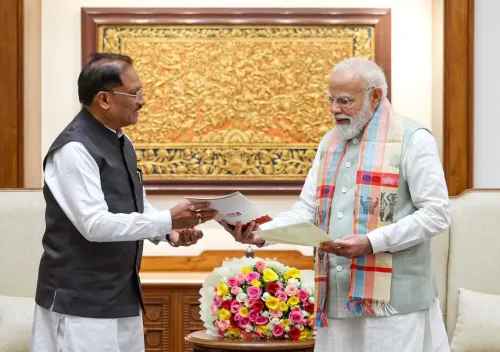
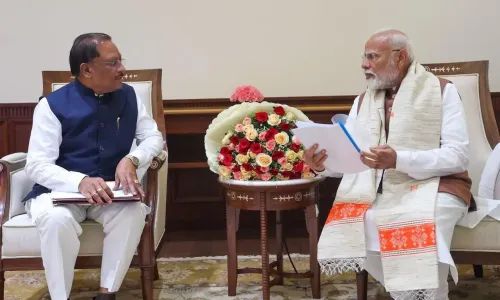
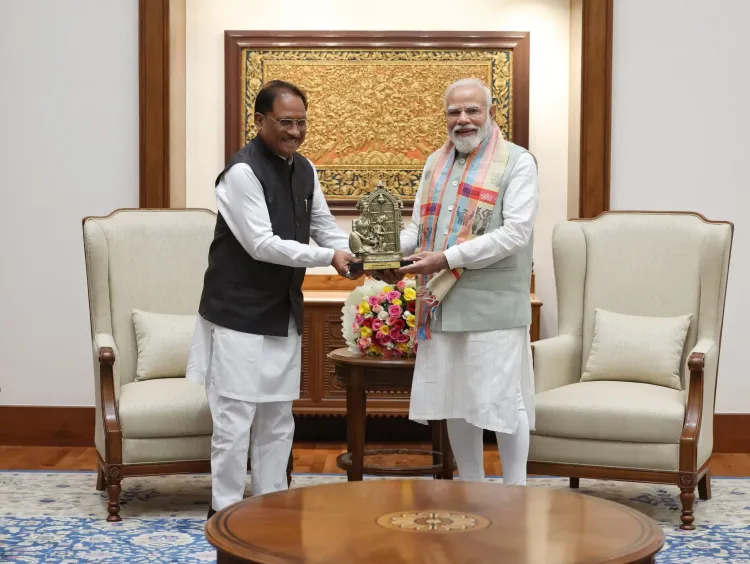
Raipur, April 9 (NationPress) The Chief Minister of Chhattisgarh, Vishnu Deo Sai, has emphasized the remarkable strides made in eliminating Naxalism from the state during his recent three-day trip to Delhi, where he engaged in discussions with Prime Minister Narendra Modi and BJP National President Nitin Nabin.
Addressing the press, Chief Minister Sai acknowledged the invaluable support from Prime Minister Modi, the determined efforts of Union Home Minister Amit Shah, and the courage demonstrated by security personnel in effectively dismantling Naxalism in the area.
Expressing gratitude on behalf of the people of Chhattisgarh, he thanked the Prime Minister for this significant accomplishment. The focus of his remarks was on the Bastar region, which has suffered from a lack of development for nearly four decades due to leftist extremism.
He informed the Prime Minister about the government's intentions to expedite development in Bastar through the newly proposed Bastar 2.0 development initiative. "During my visit to Delhi, I had the opportunity to discuss the Bastar 2.0 plan with Prime Minister Modi. With his support, we strive to foster growth in Bastar, enhance agricultural practices, increase the value of forest products, and promote sectors such as animal husbandry, fish farming, tourism, and homestays. I am thankful to the Prime Minister and the people of Chhattisgarh, particularly those in Bastar, who have awaited development for so long," said the Chief Minister.
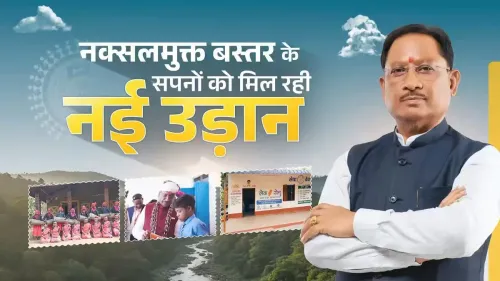
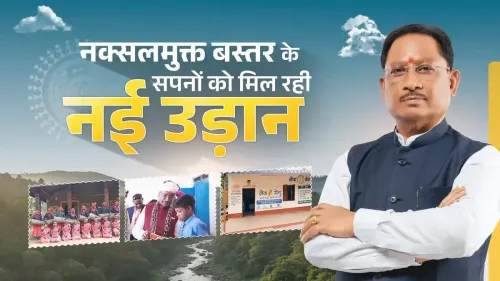
The Bastar 2.0 initiative aims to introduce infrastructure, create jobs, and ensure basic amenities in the tribal-populated area now that stability has been achieved.
His visit to Delhi is regarded as a pivotal move towards obtaining central assistance for transforming Bastar into a benchmark for inclusive growth.
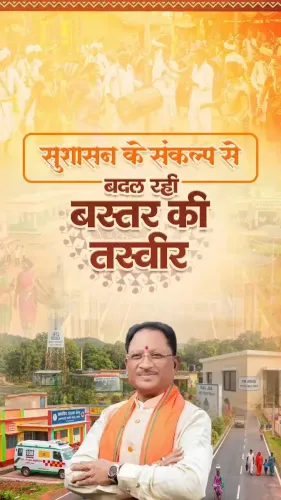
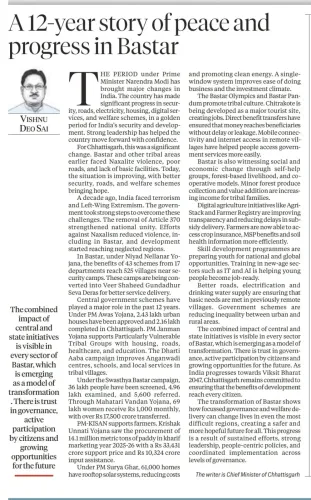
Previously troubled by left-wing extremism, Bastar has experienced a significant shift in security dynamics in recent years. With the near eradication of Naxal influence, the state government is now redirecting its focus from security measures to extensive socio-economic development.
The Bastar 2.0 initiative marks the next chapter in this evolution, aiming to establish the region as a center for infrastructure, innovation, startups, tourism, and sustainable livelihoods for its largely tribal populace.
This initiative places a strong emphasis on modernizing agriculture through enhanced irrigation and advanced farming methodologies. It also aims to significantly increase the value of minor forest products like tendu leaves and mahua by improving processing, packaging, and market access, thereby boosting income for local tribal families.
Furthermore, the expansion of animal husbandry and fish farming will create additional sustainable livelihood opportunities in remote areas, as stated by the Chief Minister.
Tourism and homestay projects are central to the plan, with efforts to showcase Bastar's natural beauty, cultural heritage, traditional crafts, and festivals. This initiative is expected to create jobs for local youth while providing economic uplift to villages.
The developmental framework is driven by a key strategy of saturating essential services, improving connectivity, facilitating growth, empowering communities, and involving local residents in the developmental journey.
During his discussions, the Chief Minister also addressed significant infrastructure projects, including the expansion of Jagdalpur airport, advancements on the Raoghat-Jagdalpur railway line, and the establishment of a super-specialty hospital and medical college in the region.
He has formally invited Prime Minister Modi to visit Bastar post-monsoon to lay the foundation stones for several vital initiatives.
Point of View
The announcement of the Bastar 2.0 development initiative underlines the government's commitment to transforming a historically underdeveloped region into a model of inclusive growth. It signals a shift from security concerns to socio-economic development, emphasizing the importance of infrastructure and community engagement.
NationPress
18 Sept 2026
Frequently Asked Questions
What is the Bastar 2.0 development plan?
The Bastar 2.0 development plan is an initiative aimed at revitalizing the Bastar region of Chhattisgarh through infrastructure development, enhanced agriculture, and promotion of tourism and sustainable livelihoods.
Why is the Bastar region significant?
The Bastar region has historically faced challenges due to left-wing extremism, resulting in a lack of development for nearly four decades. The new initiative aims to address these issues.
Who did the Chief Minister meet during his Delhi visit?
Chief Minister Vishnu Deo Sai met with Prime Minister Narendra Modi and BJP National President Nitin Nabin during his visit to Delhi.
How will the Bastar 2.0 plan impact local communities?
The plan aims to empower local communities by creating jobs, improving basic services, and fostering sustainable development through agriculture and tourism.
What infrastructure projects are included in the plan?
The plan includes the expansion of Jagdalpur airport, the Raoghat-Jagdalpur railway line, and the establishment of a super-specialty hospital and medical college.