West Bengal new industrial policy 2026: EPF aid, power tariff breaks for investors
Synopsis
West Bengal has rolled out its most detailed industrial incentive package in years — with the state government offering to fully absorb employers' EPF contributions for women and transgender MSME workers for a decade, waive stamp duties, and guarantee single-window clearances within 30 days. The policy is a direct bid to close the investment gap with rival states and reshape Bengal's image as a business-friendly destination.
Key Takeaways
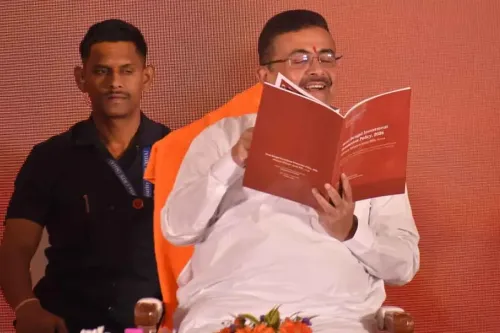
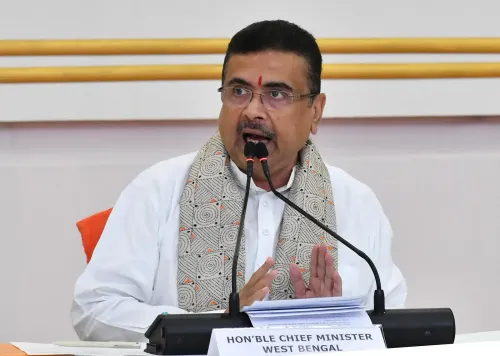
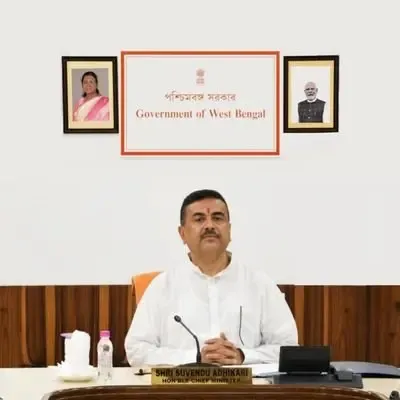
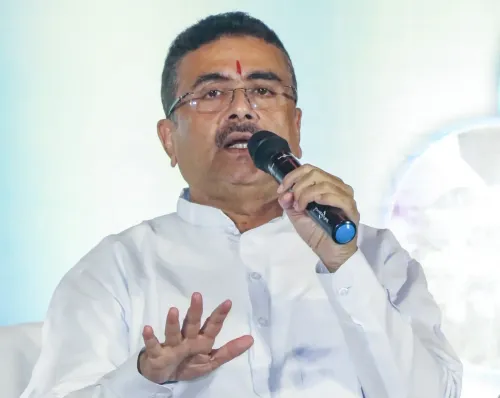
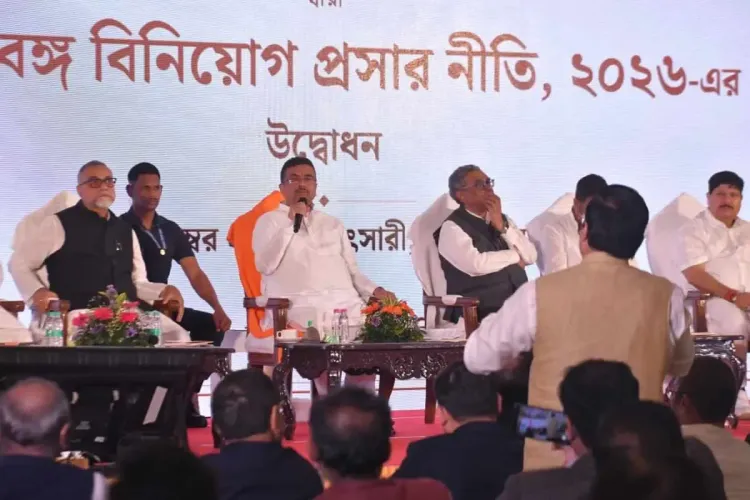
West Bengal CM Suvendu Adhikari unveiled the state's new industrial policy on 5 November 2026 in Kolkata.
New manufacturing and services investments will receive electricity tariff exemptions for up to 5 years .
The state will bear 100% of employers' EPF contributions for women and transgender employees in MSMEs for up to 10 years .
Stamp duty exemptions on industrial land and ₹100 crore+ CSR projects in education/health will get 100% duty-free status.
Investment assistance limits range from 100% (general units) to 120% (priority sectors) of eligible plant and machinery costs.
All applications will be processed via a single-window portal with intent certificates issued within 30 days .
West Bengal Chief Minister Suvendu Adhikari on Thursday, 5 November 2026, unveiled the state's new industrial policy in Kolkata, announcing a comprehensive package of incentives designed to attract fresh investment across manufacturing, services, and the MSME segment. The policy covers benefits ranging from electricity tariff exemptions and stamp duty waivers to direct state support for employers' provident fund contributions — with a notable focus on employment for women and transgender workers.
Key Incentives Under the New Policy
Under the new framework, new investments in both the manufacturing and services sectors will receive electricity tariff exemptions for up to five years. The state government will additionally provide financial assistance towards rent on leased premises for newly established units.
For micro, small and medium enterprises (MSMEs), the policy promises loans at affordable interest rates and support in adopting new technologies. Financial assistance will be enhanced for investment proposals located in industrially backward sub-divisions of the state, an explicit attempt to channel capital away from already-developed corridors.
Mega projects committing to generate at least 50 jobs per acre will receive state assistance for road construction and expedited water and electricity connections.
EPF Support with a Diversity Dimension
Perhaps the most distinctive provision of the new policy concerns employers' contributions to the Employees' Provident Fund (EPF). In the MSME segment, the state government will bear the entire employers' EPF contribution for women and transgender employees for up to 10 years. For male employees in the same segment, the state will cover 50 per cent of the employer's contribution over the same period.
For units with more than 200 employees, the state will bear 75 per cent of the EPF employer's contribution for female and transgender workers and 50 per cent for male workers. In large units and mega projects — defined as those with at least 200 employees in priority areas or at least 400 employees elsewhere — the state will cover 50 per cent of the employer's EPF share for up to five years.
Stamp Duty, CSR, and HRD Provisions
The policy also proposes stamp duty exemptions on land acquired for industrial projects and direct state assistance in human resource development. Notably, educational institutions and hospitals run from a corporate social responsibility (CSR) corpus will be eligible for 100 per cent duty-free status, provided the concerned industry house invests a minimum of ₹100 crore in that education or medical project.
Investment Assistance Limits and Sector Tiers
For expansion of existing industrial units, employment creation has been made a mandatory condition for accessing incentives. Assistance in plant and machinery investment has been set at 100 per cent of the eligible limit for general units, rising to 110 per cent for thrust sector units and 120 per cent for priority sector units. Disbursement will be staggered and linked to the commencement of production.
Single-Window Clearance and Timelines
The new policy mandates that all applications be routed through a single-window portal. A certificate of intent is to be granted within 30 days of application, and a certificate of eligibility within 45 days from the beginning of production — a move aimed at reducing the procedural bottlenecks that have historically discouraged large investors from choosing West Bengal over competing states. This comes amid intensifying competition among Indian states to attract post-China-plus-one supply chain relocations and domestic manufacturing expansion. How swiftly the state's bureaucracy translates the policy's timelines into ground-level implementation will determine whether the incentives convert to actual investment flows.
Point of View
But the proof will be in uptake data — past state industrial policies have often over-promised on inclusion without tracking outcomes. The 30-day single-window timeline is a credible commitment only if backed by statutory authority over all clearance agencies, something earlier versions of similar portals in other states have struggled to enforce. Bengal is also entering this race late: Tamil Nadu, Telangana, and Gujarat have years of head-start in organised investor outreach. The policy's real differentiator, if it holds, is the decade-long EPF coverage for MSMEs — that is a longer horizon than most rival schemes offer, and it directly addresses the labour cost hesitancy that keeps small manufacturers from formalising their workforce.
NationPress
5 Nov 2026
Frequently Asked Questions
What is West Bengal's new industrial policy announced in November 2026?
It is a comprehensive investment incentive framework unveiled by Chief Minister Suvendu Adhikari on 5 November 2026, covering electricity tariff exemptions, EPF support, stamp duty waivers, and single-window clearances. The policy targets manufacturing, services, and MSME segments to attract fresh investment into the state.
How does the EPF support for women and transgender employees work under the new policy?
In the MSME segment, the West Bengal government will bear the full employers' EPF contribution for women and transgender employees for up to 10 years. For units with more than 200 employees, the state covers 75 per cent of the employer's EPF share for female and transgender workers and 50 per cent for male workers.
What electricity tariff benefits are available under the new West Bengal industrial policy?
New investments in both manufacturing and services sectors will receive electricity tariff exemptions for up to five years. The state government will also provide financial assistance for rent on leased premises for newly established units.
Who gets enhanced financial assistance under the new policy?
Investment proposals in industrially backward sub-divisions of West Bengal will receive higher financial assistance than those in already-developed areas. Mega projects creating at least 50 jobs per acre will also get state support for road construction and priority water and electricity connections.
How quickly will industrial clearances be processed under the new policy?
All applications must be filed through a single-window portal. The certificate of intent will be issued within 30 days of application, and the certificate of eligibility within 45 days from the commencement of production, according to the new policy's mandated timelines.