Bhojshala verdict renews hope for Vidisha's Vijay Mandir, says NHRC's Kanoongo
Synopsis
The Madhya Pradesh High Court's Bhojshala ruling — declaring the Dhar complex a temple — is already rippling outward. NHRC member Priyank Kanoongo has publicly linked it to the Vijay Surya Mandir dispute in Vidisha, a site the ASI classifies as a mosque under a 1951 gazette notification. With a local MLA and Hindu groups demanding a fresh archaeological survey, the verdict may be the trigger for the next legal battle.
Key Takeaways
NHRC member Priyank Kanoongo welcomed the Madhya Pradesh High Court 's ruling declaring Bhojshala in Dhar a temple.
The ruling by Justice Vijay Kumar Shukla and Justice Alok Awasthi set aside decades of administrative arrangements at the disputed site.
Kanoongo said the verdict has renewed hopes for the revival of the Vijay Surya Mandir in Vidisha .
The ASI classifies the Vidisha structure as the Bijamandal Mosque under a gazette notification from 1951 .
Vidisha MLA Mukesh Tondon and Hindu organisations are demanding a fresh archaeological survey of the site.
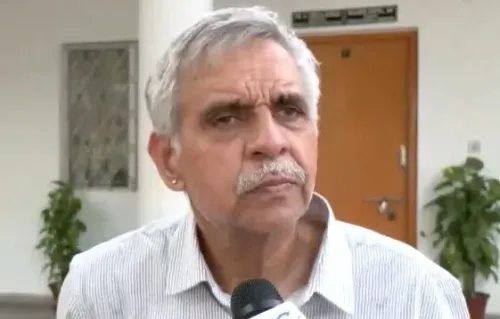
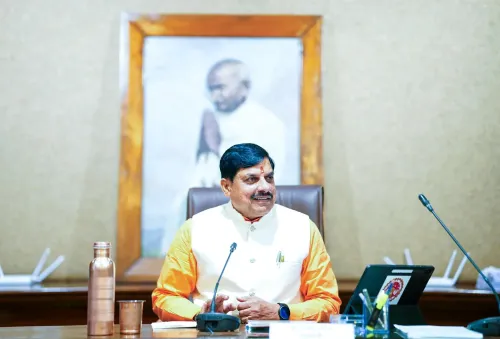
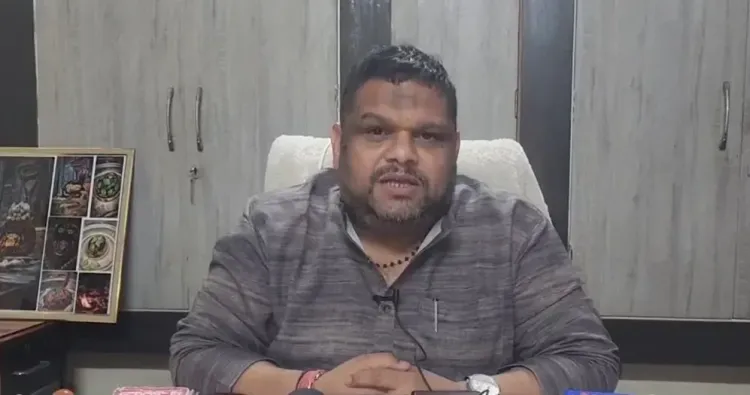
National Human Rights Commission (NHRC) member Priyank Kanoongo on Saturday, 17 May welcomed the Madhya Pradesh High Court's ruling that declared the Kamal Maula Mosque — commonly known as Bhojshala — a temple, saying the judgment has rekindled expectations for the revival of the centuries-old Vijay Surya Mandir in Vidisha. Kanoongo linked the verdict to what he described as India's broader 'cultural revival', drawing parallels with the Ram Temple consecration in Ayodhya.
The Bhojshala Ruling
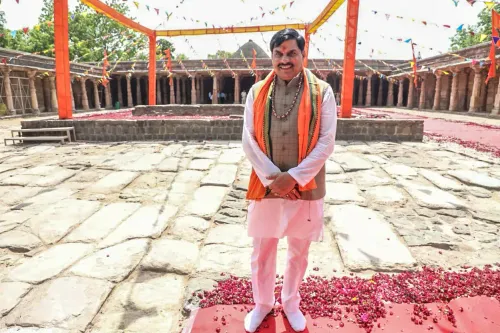
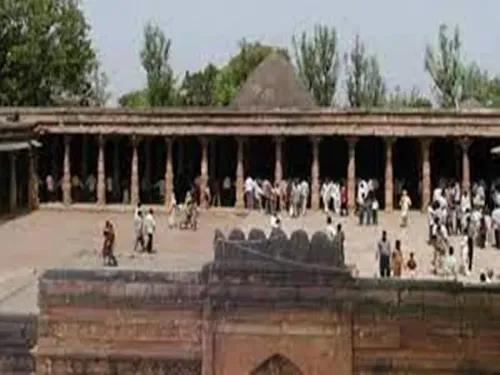
The Indore Bench of the Madhya Pradesh High Court, comprising Justice Vijay Kumar Shukla and Justice Alok Awasthi, recently delivered a landmark ruling on the Bhojshala complex in Dhar, holding that the site is a temple and that the Hindu community's right to worship there had never historically ceased. The division bench set aside decades of administrative arrangements and compromise formulas that had governed access to the disputed site.
What Kanoongo Said
Speaking to reporters, Kanoongo said: 'We are the people of that fortunate generation who are witnessing the cultural revival of India with their own eyes. We have seen how Prime Minister Narendra Modi ensured that the struggle of 500 years in Ayodhya comes to an end by building a huge Ram Temple.'
He added that the Bhojshala verdict had raised hopes for the return of the Goddess Saraswati idol and the resumption of worship at the site. 'This verdict has also made us optimistic that Vidisha's Vijay Temple will also achieve this success. I pray to Mahakal that these wishes are fulfilled,' he said.
The Vidisha Dispute
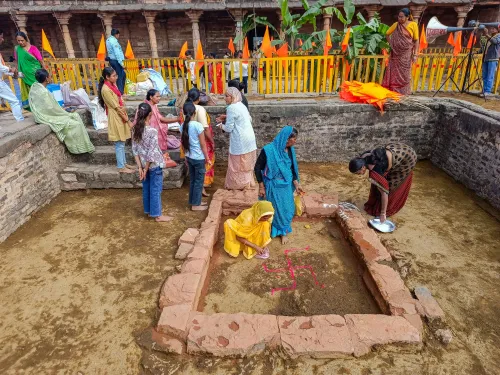
The remarks have drawn fresh attention to the long-standing controversy surrounding the Vijay Surya Mandir in Vidisha, a centuries-old structure where members of the Hindu community have traditionally gathered outside locked gates during the festival of Nag Panchami to offer prayers. In 2024, when permission was sought to enter the premises and conduct rituals inside, the Archaeological Survey of India (ASI) stated that the monument was officially registered as the Bijamandal Mosque — not a temple — citing a gazette notification issued in 1951.
Notably, Vidisha MLA Mukesh Tondon and several Hindu organisations have been demanding a fresh and detailed archaeological survey of the site, arguing that a comprehensive examination is necessary to determine the monument's true historical character and original purpose.
Broader Context
The Bhojshala ruling is being viewed by several groups as a precedent-setting judgment that could influence legal and historical scrutiny of other contested religious sites across India. The debate around the Vidisha structure has gained momentum in the backdrop of a series of judicial interventions in temple-mosque disputes elsewhere in the country. Hindu organisations have expressed hope that disputed religious sites would now face renewed legal examination. This comes amid a broader national conversation about the legal and archaeological status of historically contested monuments.
What Happens Next
Supporters of the Vidisha survey demand argue that without an independent archaeological examination, the site's historical identity cannot be conclusively established. The ASI's 1951 gazette notification remains the current legal basis for the monument's classification, and any challenge to it would likely require fresh legal proceedings or a court-ordered survey. How authorities and courts respond to the renewed pressure will be closely watched by religious groups and legal observers alike.
Point of View
And whether courts treat each site on its own historical merits or allow precedent to cascade will define the next chapter of India's temple-mosque litigation landscape.
NationPress
19 Sept 2026
Frequently Asked Questions
What did the Madhya Pradesh High Court rule in the Bhojshala case?
The Indore Bench of the Madhya Pradesh High Court, comprising Justice Vijay Kumar Shukla and Justice Alok Awasthi, ruled that the Bhojshala complex in Dhar is a temple and that the Hindu community's right to worship there had never historically ceased. The bench set aside decades of administrative arrangements governing the disputed site.
What is the Vijay Surya Mandir dispute in Vidisha?
The Vijay Surya Mandir, also referred to as the Bijamandal site, is a centuries-old structure in Vidisha, Madhya Pradesh, where Hindu communities have traditionally gathered outside locked gates during Nag Panchami. The ASI classifies it as the Bijamandal Mosque under a 1951 gazette notification, and in 2024 denied permission for rituals inside the premises on that basis.
Why has the Bhojshala verdict renewed attention to the Vidisha site?
NHRC member Priyank Kanoongo publicly linked the Bhojshala ruling to the Vidisha dispute, saying it raised hopes for the Vijay Surya Mandir's recognition as a temple. The ruling has emboldened Hindu organisations and local politicians to renew demands for a fresh archaeological survey of the Vidisha structure.
Who is demanding a fresh survey of the Vidisha structure?
Vidisha MLA Mukesh Tondon and several Hindu organisations are demanding a new, detailed archaeological survey of the Vijay Surya Mandir site. They argue that a comprehensive examination is needed to determine the monument's original historical character and purpose.
Could the Bhojshala verdict legally affect the Vidisha case?
The two cases are legally distinct. The Vidisha structure's classification as the Bijamandal Mosque rests on a 1951 ASI gazette notification, which gives it a firm administrative footing. Any challenge would likely require fresh legal proceedings or a court-ordered survey, independent of the Bhojshala ruling.