Soaring Crude Prices Drive Up Biodegradable Bag Costs in Tamil Nadu
Synopsis
The recent surge in crude oil prices is significantly raising the costs of biodegradable bags in Tamil Nadu, impacting small businesses. As traders grapple with rising input costs, many are forced to revert to cheaper alternatives, threatening the adoption of eco-friendly packaging.
Key Takeaways
Crude oil price fluctuations are impacting biodegradable bag costs.
Manufacturers report a rise in production costs by up to 30% .
Retailers are limiting the use of biodegradable bags due to financial pressures .
The eco-friendly packaging shift may face setbacks without policy support .
Small businesses are navigating tough choices between sustainability and cost.
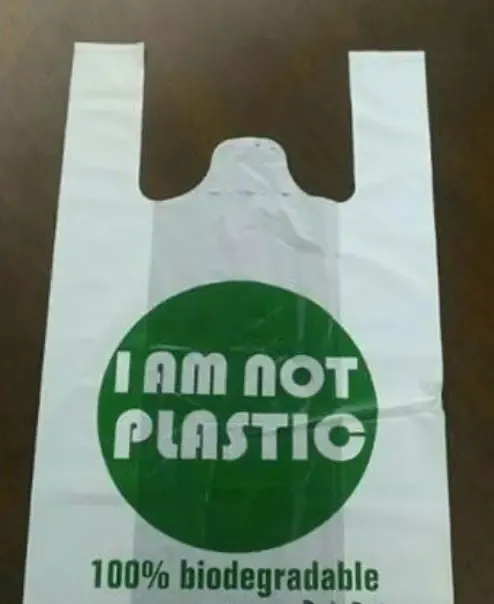
Chennai, April 7 (NationPress) A significant rise in the cost of biodegradable bags is now affecting small enterprises throughout Tamil Nadu. Traders and manufacturers attribute this surge to escalating global geopolitical tensions and increasing input costs.
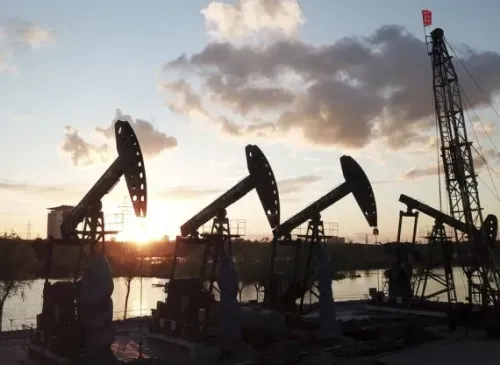
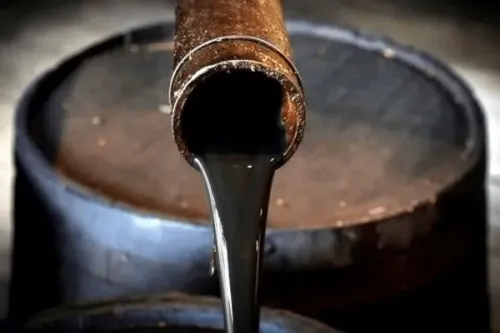
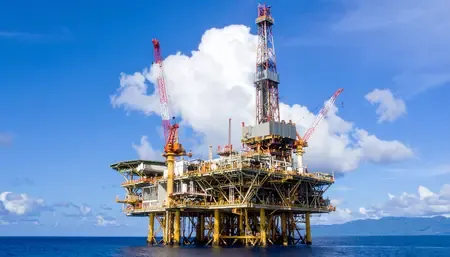
The recent rise in tensions between the United States and Iran has led to an uptick in international crude oil prices, which in turn influences industries reliant on petroleum-based inputs, such as the biodegradable packaging sector.
Although marketed as eco-friendly options made from plant-derived materials like cornstarch, PLA (polylactic acid), and PBAT, biodegradable bags still depend on a fraction of crude oil byproducts during their production, rendering them vulnerable to fluctuations in global oil prices.
“Approximately 20 to 30 percent of the raw materials utilized in biodegradable bags are connected to crude oil derivatives. With global crude prices increasing by about 20 to 30 percent recently, our production costs have risen significantly,” stated a manufacturer from Uthukottai.
Industry estimates reveal that the manufacturing cost for one kilogram of biodegradable bags has skyrocketed from around Rs 127 to Rs 170. Consequently, the market price has surged from approximately Rs 150 per kg to nearly Rs 250 per kg, exerting additional financial strain on both suppliers and consumers.
The repercussions of the price increase are already evident at the retail level. Small vendors, who gradually transitioned to biodegradable options following bans on single-use plastics, are now compelled to reduce their usage to control costs. “We now offer biodegradable bags only for purchases exceeding Rs 100. For smaller transactions, we are resorting to paper bags,” shared a shop owner at Parrys Corner in Chennai, mirroring a trend among small retailers.
While biodegradable bags have been embraced as a sustainable alternative to plastic, the current rise in costs threatens their broad adoption, particularly among smaller vendors.
Experts warn that unless raw material prices stabilize or supportive policies are implemented, the transition to environmentally friendly packaging might face challenges, leading businesses to revert to cheaper options despite environmental concerns.
Point of View
It is essential to consider the implications for small businesses in Tamil Nadu. This situation underscores the delicate balance between environmental sustainability and economic viability, particularly for vendors navigating the transition away from single-use plastics.
NationPress
22 Oct 2026
Frequently Asked Questions
Why are biodegradable bag prices increasing?
The increase in biodegradable bag prices is primarily due to rising crude oil prices, which affect the cost of raw materials used in their production.
How much have biodegradable bag costs risen?
The cost of manufacturing one kilogram of biodegradable bags has increased from approximately Rs 127 to Rs 170, with market prices jumping from Rs 150 to nearly Rs 250 per kg.
What materials are used in biodegradable bags?
Biodegradable bags are made from plant-based materials such as cornstarch, PLA, and PBAT, but they also contain some crude oil derivatives.
How are small businesses coping with the price increase?
Many small businesses are limiting their use of biodegradable bags or switching to cheaper alternatives like paper bags to manage expenses.
What does this mean for the future of biodegradable bags?
Unless raw material costs stabilize or supportive policies are introduced, the shift towards biodegradable alternatives may be hindered, with many businesses reverting to less sustainable options.