BJP's Ram Kadam slams INDIA Bloc's 'People's Impeachment' as political drama
Synopsis
BJP's Ram Kadam has drawn a hard line: impeachment is a constitutional process, not a street performance. By invoking the BJP's own 1984 rout and the ballot-paper elections that Congress lost, he is turning the Opposition's institutional-integrity argument against itself — and daring the INDIA Bloc to back its rhetoric with evidence in court.
Key Takeaways
BJP leader Ram Kadam on 30 October 2026 condemned the INDIA Bloc's 'People's Impeachment' drive against Chief Election Commissioner Gyanesh Kumar as a political drama.
Kadam challenged the Opposition to approach the judiciary or submit evidence to the Election Commission rather than stage public protests.
He cited elections to 28 Legislative Council seats held via ballot papers across four states , in which Congress won only one seat , to undercut the EVM-criticism argument.
Kadam recalled that the BJP won only two seats in the 1984 Lok Sabha elections and did not blame the EC or voting machines.
He rejected allegations that trains were stopped to suppress political participation, calling the claims false, and noted the voter list revision deadline has been extended .
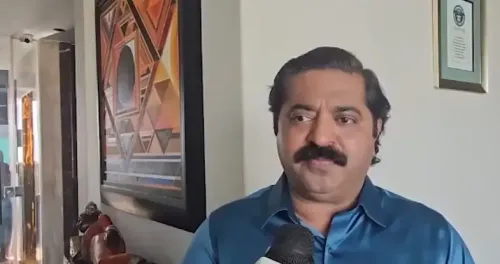
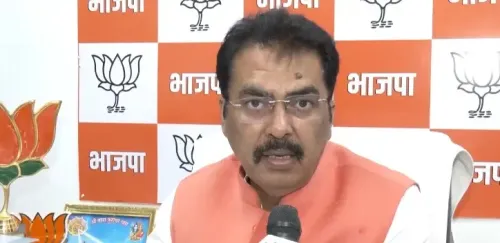
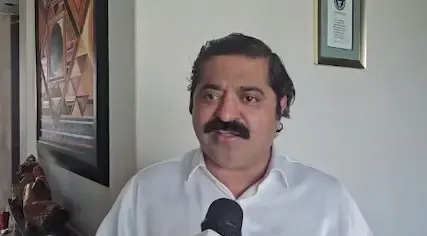
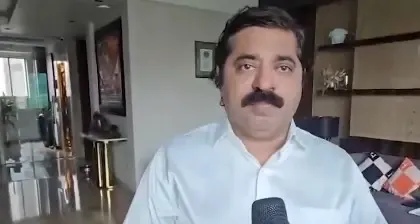
Bharatiya Janata Party (BJP) leader Ram Kadam on Friday, 30 October 2026, strongly criticised the INDIA Bloc's so-called 'People's Impeachment' programme targeting Chief Election Commissioner (CEC) Gyanesh Kumar, calling it a political stunt and accusing the Opposition of systematically undermining constitutional institutions even as it claims to defend them.
Kadam's Core Argument
Kadam drew a sharp distinction between a legitimate constitutional process and what he described as public theatre. He challenged Opposition leaders to either approach the judiciary or submit concrete evidence to the Election Commission of India (ECI) if they genuinely had grievances about electoral procedures or the functioning of the commission.
'Impeachment is a serious constitutional process. You cannot turn it into a political drama. If you have any objections, approach the judiciary or submit evidence to the Election Commission,' Kadam said.
He argued that weaponising the language of constitutional accountability without substantive evidence amounts to an attempt to delegitimise democratic institutions through political pressure rather than legal process.
The Ballot Paper Debate
Turning to the Opposition's long-standing demand to replace Electronic Voting Machines (EVMs) with ballot papers, Kadam cited the recent elections to 28 Legislative Council seats across Uttar Pradesh, Maharashtra, Bihar, and Karnataka — all conducted using ballot papers. He pointed out that the Indian National Congress (Congress) won only one seat in those polls.
'Whether elections are conducted through EVMs or ballot papers, you lose and then blame the Election Commission,' he claimed, arguing that the pattern of blaming the ECI cuts across voting methods and is therefore motivated by electoral disappointment rather than genuine institutional concern.
BJP's Own History Invoked
In a notably self-referential defence, Kadam reached back to the 1984 Lok Sabha elections, when the BJP won just two seats in the wake of former Prime Minister Indira Gandhi's assassination. He recalled that even former Prime Minister Atal Bihari Vajpayee suffered personal defeat in that election. 'We did not blame the EVMs; we did not blame the Election Commission,' he said, presenting the BJP's response to that historic rout as a benchmark for institutional respect under electoral adversity.
Voter List Revisions and Other Allegations
Kadam also addressed allegations surrounding voter list revisions, urging those with specific objections to submit evidence and formal suggestions rather than 'misleading people.' He noted that the deadline for submitting claims about electoral roll revisions had been extended, providing an avenue for citizens whose names were missing to register concerns through due process.
Separately, he rejected Opposition claims that trains had been stopped to reduce public participation in political events, describing those allegations as false. He also invoked the Emergency period — a reference to the suspension of democratic rights in 1975-77 — asserting that the country had not forgotten that episode, in what appeared to be a broader indictment of the Opposition's democratic credentials.
What This Signals
The BJP's pushback comes as the INDIA Bloc's impeachment drive gains visibility ahead of upcoming electoral cycles. Critics argue that the programme is designed to keep electoral integrity in the public conversation, while the ruling party contends it is an attempt to pre-emptively discredit results. The row over the ECI's independence is unlikely to recede, with both sides increasingly using constitutional vocabulary as political ammunition. How the Election Commission responds to sustained public pressure — and whether any formal legal challenge materialises — will shape the next phase of this standoff.
Point of View
But it sidesteps the substantive question of whether the ECI has acted impartially in recent high-stakes elections — a question that courts, not BJP press conferences, will ultimately have to answer. More revealing is the ballot-paper data point: if the Opposition's own preferred method produced similarly unfavourable results, their EVM narrative loses its empirical foundation. What mainstream coverage misses is that this row is less about Gyanesh Kumar personally and more about both sides attempting to shape the legitimacy narrative before the next major electoral cycle begins. The real accountability test is whether either side is willing to put its claims before an independent judicial or quasi-judicial forum — so far, neither has moved beyond the microphone.
NationPress
30 Oct 2026
Frequently Asked Questions
What is the INDIA Bloc's 'People's Impeachment' programme?
It is a political campaign by the Opposition INDIA Bloc targeting Chief Election Commissioner Gyanesh Kumar, framed as a public accountability drive over alleged concerns about the Election Commission's functioning and electoral procedures. The programme does not constitute a formal constitutional impeachment process.
Why did Ram Kadam call it a political drama?
Kadam argued that impeachment is a serious constitutional process requiring evidence and legal action, not public protests. He said the Opposition had neither approached the judiciary nor submitted concrete evidence to the Election Commission, making the exercise performative rather than substantive.
What did Kadam say about EVMs and ballot papers?
Kadam pointed out that elections to 28 Legislative Council seats across Uttar Pradesh, Maharashtra, Bihar, and Karnataka were conducted using ballot papers, and Congress won only one seat. He used this to argue that Opposition losses occur regardless of voting method, and that blaming the ECI is a reflex after defeat rather than a principled stance.
How did Kadam use the 1984 elections in his argument?
He recalled that the BJP won only two Lok Sabha seats in 1984 and that former Prime Minister Atal Bihari Vajpayee was personally defeated in that election. He said the BJP accepted those results without blaming the Election Commission or EVMs, holding that up as a contrast to the current Opposition conduct.
What is the BJP's position on voter list revision allegations?
Kadam urged those with objections to voter list revisions to submit evidence and formal suggestions through official channels. He also noted that the deadline for submitting claims about missing names on electoral rolls has been extended, offering a legitimate route to raise concerns.