BKS backs ethanol blending, rejects water-use claims; demands GST on fuel
Synopsis
The Bharatiya Kisan Sangh has thrown its full weight behind India's ethanol blending programme, calling water-use concerns 'completely false' and demanding GST inclusion for petrol and diesel. With the BKS also pushing for cooperative control of the Kailaras Sugar Mill in Morena, Saturday's events in Bhopal signal a coordinated farmer-lobby offensive on energy, pricing, and agro-industrial policy.
Key Takeaways
BKS National President K.
Sai Reddy backed the Centre's ethanol blending programme at a press conference in Bhopal on 18 July .
Reddy dismissed claims that ethanol production wastes thousands of litres of water, calling them 'completely false' and noting that factory water is recycled.
The BKS demanded that petrol and diesel be brought under the GST regime to ensure uniform fuel prices across India.
The body also sought hassle-free MSP procurement , increased moong procurement, and early release of Madhya Pradesh 's crop insurance dues.
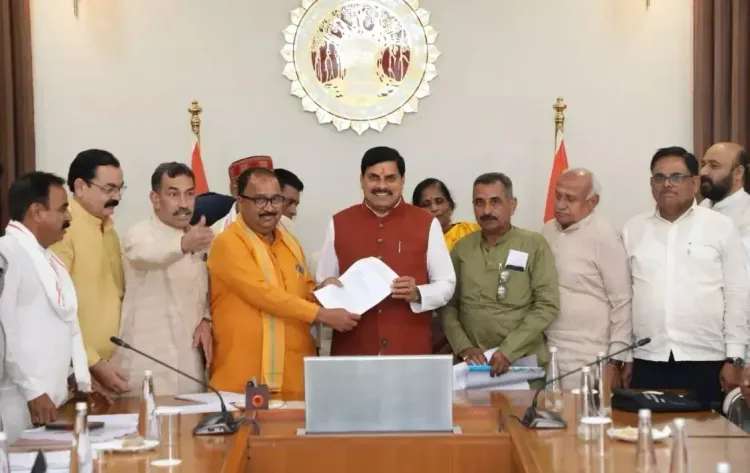
A BKS delegation met CM Mohan Yadav and demanded the Kailaras Sugar Mill in Morena be handed to farmers via a cooperative society instead of being privatised.
Chief Minister Yadav reportedly assured the delegation that the cooperative proposal would be considered.
The Bharatiya Kisan Sangh (BKS) on Saturday, 18 July strongly endorsed the Centre's ethanol blending programme in Bhopal, dismissing concerns over excessive water consumption and asserting that the biofuel serves the interests of both farmers and the nation. The farmers' body simultaneously demanded that petrol and diesel be brought under the Goods and Services Tax (GST) regime to ensure uniform fuel pricing nationwide.
BKS Defends Ethanol Programme
BKS National President K. Sai Reddy, addressing a press conference in Bhopal, said misinformation was being actively spread about ethanol production. He maintained that the biofuel helps increase farmers' income, reduces India's dependence on imported crude oil, and contributes to curbing pollution.
'Opposing ethanol is against the interests of farmers and the nation,' Reddy said, adding that ethanol derived from crops such as sugarcane, maize, and rice provides cultivators with better returns while strengthening the country's energy security. He also favoured promoting vehicles capable of running entirely on ethanol.
Water-Use Allegations Rejected
Reddy categorically rejected the claim that ethanol production wastes thousands of litres of water, calling it 'completely false.' He explained that only a limited quantity of water is required to extract juice from sugarcane, and that water used within factories is recycled — not wasted. Critics have argued that water-intensive ethanol feedstocks strain agricultural water tables, but the BKS contends such concerns are overstated and based on misinformation.
On vehicle performance concerns, Reddy noted that ethanol-blended petrol has been in use across the country for the past five years. He said that if vehicles develop technical problems as a result, manufacturers should address them rather than attributing blame to the fuel itself.
Key Demands: GST on Fuel, MSP Procurement, Crop Insurance
Beyond ethanol, the BKS pressed several demands on the government. The organisation sought inclusion of petrol and diesel under the GST framework, arguing it would eliminate price disparities across states and deliver relief to end consumers. Currently, fuel is outside the GST ambit, allowing states to levy their own taxes independently — a structure critics say creates significant regional price gaps.
The farmers' body also demanded hassle-free procurement of crops at the minimum support price (MSP), increased procurement of moong, and early release of the Madhya Pradesh government's share under the crop insurance scheme so that pending claims are settled without further delay.
Reddy additionally appealed to farmers to adopt natural farming practices to reduce cultivation costs.
BKS Meets CM Mohan Yadav Over Kailaras Sugar Mill
Earlier on Saturday, a BKS delegation met Madhya Pradesh Chief Minister Mohan Yadav and demanded that the Kailaras Sugar Mill in Morena be transferred to farmers through a cooperative society rather than being privatised. The delegation also proposed forming a committee comprising farmers, shareholders, and technical experts under the district collector to manage the mill's operations.
According to the BKS, Chief Minister Yadav assured the delegation that the proposal would be given due consideration. The outcome of that review is expected to shape the future of one of the region's key agro-industrial assets.
With ethanol policy, fuel taxation, and farm income all on the table, the BKS's positions signal a broader push to align energy and agricultural policy more closely with cultivator interests ahead of the next crop season.
Point of View
And any policy retreat on ethanol blending would hit their incomes directly. But dismissing water-use concerns wholesale is a harder sell in water-stressed states like Madhya Pradesh, where groundwater depletion is a documented reality. The demand to bring fuel under GST is economically sound and long-debated, but it requires state consensus that has eluded governments for years. The Kailaras Sugar Mill demand is the most locally charged ask — privatisation versus cooperative control is a fault line that will test whether CM Yadav's assurance translates into action or stays a holding gesture.
NationPress
17 Oct 2026
Frequently Asked Questions
Why is the BKS supporting the ethanol blending programme?
The Bharatiya Kisan Sangh argues that ethanol blending increases farmers' income by creating demand for crops like sugarcane, maize, and rice, while also reducing India's dependence on imported crude oil and helping control pollution. BKS National President K. Sai Reddy said opposing ethanol is against the interests of both farmers and the nation.
Is it true that ethanol production wastes large amounts of water?
The BKS has rejected this claim as 'completely false,' stating that only a limited amount of water is used to extract juice from sugarcane and that water used in factories is recycled. Critics, however, have raised concerns about water-intensive feedstocks straining agricultural water supplies, a debate that remains unresolved.
What is the BKS demand regarding GST on fuel?
The BKS has demanded that petrol and diesel be brought under the Goods and Services Tax (GST) regime, arguing it would create uniform fuel prices across all states and provide relief to consumers. Currently, fuel sits outside the GST framework, allowing individual states to levy separate taxes.
What happened at the meeting between BKS and CM Mohan Yadav?
A BKS delegation met Madhya Pradesh Chief Minister Mohan Yadav on 18 July and demanded that the Kailaras Sugar Mill in Morena be handed over to farmers through a cooperative society rather than privatised. The Chief Minister reportedly assured the delegation the proposal would be considered.
What other demands did the BKS raise?
Beyond ethanol and GST, the BKS sought hassle-free MSP procurement for crops, increased procurement of moong, and early release of the Madhya Pradesh government's share under the crop insurance scheme to settle pending farmer claims. BKS President Reddy also urged farmers to adopt natural farming to lower cultivation costs.