Britain and France Unveil Defensive Mission for Strait of Hormuz Navigation
Synopsis
In a significant development, Britain and France have announced a defensive mission to ensure the free navigation of the Strait of Hormuz. This initiative aims to maintain peace and prevent tolls on one of the world's most vital shipping routes. With global implications, the mission is set to discuss its modalities in an upcoming London meeting.
Key Takeaways
Britain and France announce a joint mission to protect navigation in the Strait of Hormuz .
The mission is described as peaceful and aims to ensure toll-free passage.
About 50 countries are involved in the discussions on maritime access.
Trump expressed discontent with the initiative, suggesting NATO should refrain from involvement.
Iran unexpectedly declared the Strait open to commercial traffic during a ceasefire.
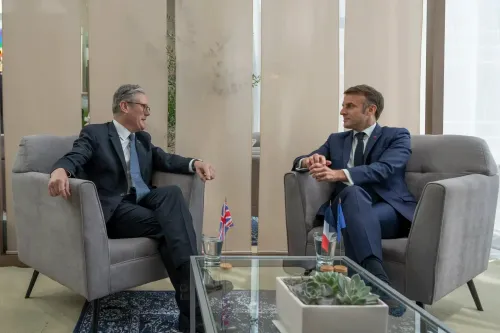
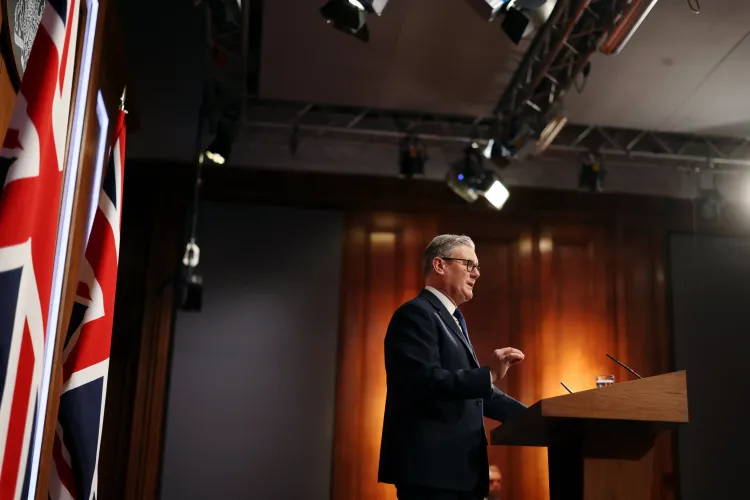
On April 17, in New York (NationPress), Prime Minister Keir Starmer of Britain announced that both Britain and France would spearhead a “defensive” mission aimed at safeguarding navigation in the Strait of Hormuz.
The mission is described as “strictly peaceful”, with a commitment to keeping the Strait toll-free and entirely open for maritime traffic.
This announcement was made during a press conference, where delegates from nearly 50 nations gathered, both in-person and virtually, to discuss ensuring free passage for shipping in the Strait.
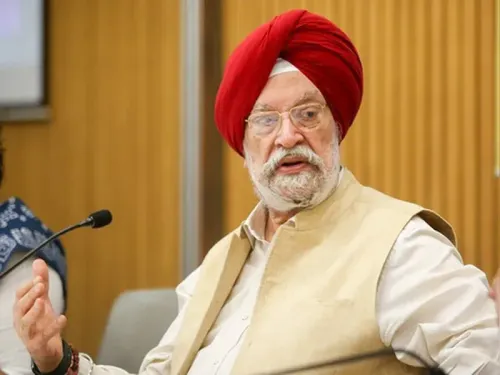
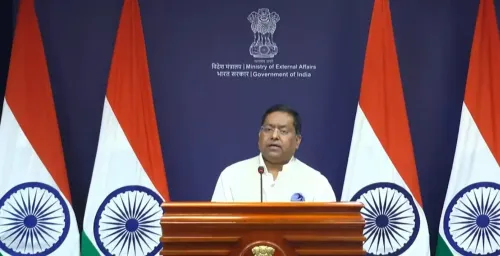
India received an invitation to participate, as confirmed by Randhir Jaiswal, a spokesperson for the External Affairs Ministry, who stated that details regarding India's involvement would be shared later.
The closure of the Strait—through which 20% of global fossil fuel is transported—has severely impacted the world economy. Starmer highlighted that a follow-up meeting is set for next week in London to finalize the details of the mission.
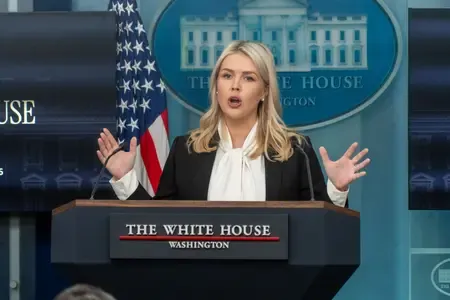
In contrast, US President Donald Trump criticized the initiative, expressing his discontent on Truth Social, stating, “I received a call from NATO asking if we would need some help. I TOLD THEM TO STAY AWAY, UNLESS THEY JUST WANT TO LOAD UP THEIR SHIPS WITH OIL. They were useless when needed, a Paper Tiger!”
Unexpectedly, Iran announced that the Strait would be accessible for commercial shipping during the ceasefire, which caught Parisian leaders off guard.
Iran's Foreign Minister, Seyed Abbas Araghchi, declared on X that the Strait is “completely open,” a statement corroborated by Trump through a “Thank You” post. However, he noted that the US blockade on Iranian ports would persist.
In a subsequent post, he claimed, “Iran, with the help of the USA, has removed, or is removing, all sea mines,” although Tehran has not verified this.
Araghchi connected the opening of the Strait to the ceasefire between Lebanon and Israel, which commenced on Thursday, a link Trump disputed.
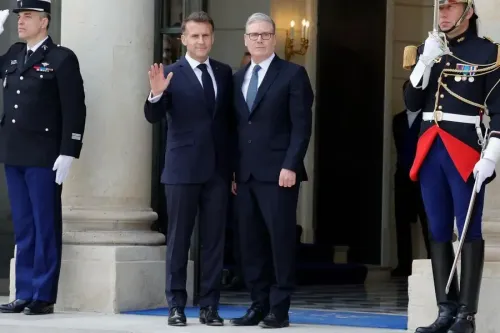
During the Paris meeting, President Emmanuel Macron of France emphasized the collective demand for the “full immediate and unconditional reopening” of the Strait of Hormuz by all involved parties, opposing any effort to impose tolls or privatize the passage.
Reports indicated that Iran had previously charged fees for ships traversing the Strait, while Trump has suggested a joint US-Iran oversight of the waterway.
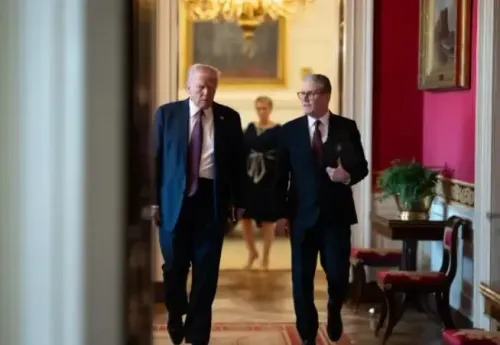
Alongside Starmer and Macron, Germany’s Chancellor Friedrich Merz and Italy’s Prime Minister Georgia Meloni confirmed their nations' support for the peaceful patrol initiative.
Point of View
It's crucial to recognize the implications of Britain's and France's initiative to safeguard navigation in the Strait of Hormuz. This situation not only affects global oil trade but also highlights the delicate balance of geopolitical power in the region. The involvement of multiple nations underscores the strategic importance of maintaining free access to vital trade routes.
NationPress
15 Oct 2026
Frequently Asked Questions
What is the purpose of the Britain-France mission in the Strait of Hormuz?
The mission aims to protect navigation in the Strait of Hormuz and ensure it remains free of tolls, promoting peaceful maritime access.
Why is the Strait of Hormuz significant?
The Strait of Hormuz is crucial as it serves as a passage for approximately 20% of the world's fossil fuel shipments.
What was the response from the US regarding this initiative?
US President Donald Trump expressed criticism of the initiative, suggesting that NATO should not interfere unless it serves their interests.
How did Iran respond to the situation in the Strait?
Iran announced that the Strait is open for commercial traffic during the ceasefire, which surprised many international leaders.
What future meetings are planned regarding the mission?
A follow-up meeting is scheduled in London next week to discuss the logistics of the mission further.