How Will Union Budget 2026 Strengthen Fisheries and Animal Husbandry?
Synopsis
The Union Budget 2026 emphasizes strengthening fisheries and animal husbandry, crucial for rural livelihoods and food security. It proposes integrated reservoir development and support for entrepreneurship, aiming to enhance farmers' income and ensure sustainable agricultural growth.
Key Takeaways
Fisheries and animal husbandry are central to rural livelihoods.
Integrated reservoir development supports irrigation and fish farming.
Credit-linked subsidies aim to boost entrepreneurship.
Modernization of livestock infrastructure enhances market-oriented operations.
Budget 2026 aligns with India's vision for sustainable agricultural growth.
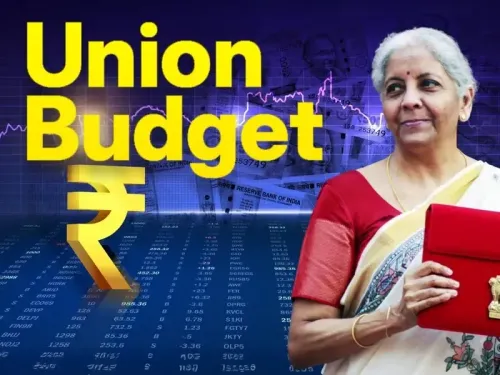
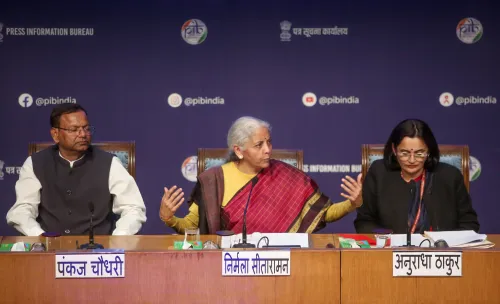
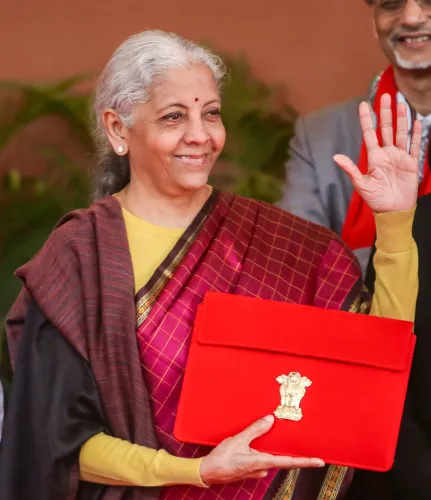
New Delhi, Feb 1 (NationPress) Finance Minister Nirmala Sitharaman’s address regarding the Budget for 2026-2027 on Sunday showcased the government's commitment to fortifying the fisheries sector and providing substantial backing for animal husbandry in both rural and peri-urban regions to stimulate growth in the agricultural sector.
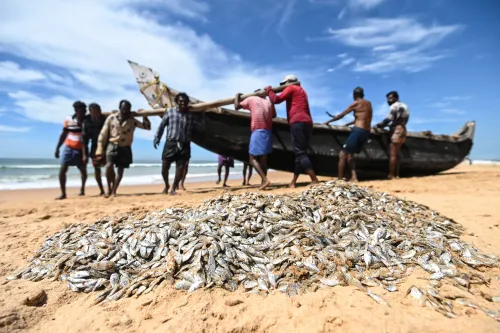
The fisheries and animal husbandry sectors are crucial components of rural livelihoods and national food security, playing a significant role in the agricultural GDP and employment.
To boost farmers’ income, the Budget proposes the integrated development of 500 reservoirs and ‘Amrit Sarovars’. This initiative aims to enhance the fisheries value chain in coastal regions and establish market connections with the involvement of startups and women-led groups alongside Fish Farmers Producer Organisations.
These reservoirs will not only aid in irrigation but also facilitate fish farming, thereby creating additional income streams, particularly for smallholding or landless farmers and promoting diversification. Integrated management will also foster water efficiency and climate resilience in areas subject to variable rainfall.
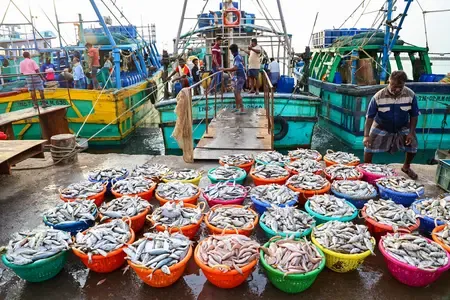
Budget 2026-2027 places a renewed focus on fisheries within coastal ecosystems, prioritizing sustainability, stock management, and infrastructure development.
Investments in landing centers, cold chains, and processing facilities are anticipated to enhance output and ensure better price realization for stakeholders in the sector.
In a bid to boost marine trade competitiveness, fish captured in the Exclusive Economic Zone and high seas by Indian vessels will be exempt from duties when brought to Indian ports and classified as exports upon landing at foreign ports. Additionally, the value limit for duty-free imports of specified inputs has risen from one to three percent of the free on board value of seafood products exported in the previous financial year.
Animal husbandry will also be pivotal in enhancing farmers’ income.
To create quality employment in rural and peri-urban locales, the government will launch various initiatives. These will include support for entrepreneurship in the sector through a credit-linked subsidy program, modernization of livestock enterprises, and the development of integrated value chains focused on livestock, dairy, and poultry, alongside promoting the formation of livestock farmer producers’ organizations.
The Budget introduces a credit-linked subsidy to stimulate entrepreneurship in animal husbandry, targeting small and medium enterprises in dairy, poultry, and related sectors, facilitating easier business initiation and expansion while attracting private investment.
It also supports the modernization of livestock infrastructure with improved breeding centers, better feeding systems, enhanced animal health services, and upgraded cold-chain logistics. These improvements aim to transition animal rearing from subsistence to organized, market-oriented operations.
Establishing strong dairy and poultry value chains is central to the rural development strategy. By enhancing collection, processing, and marketing facilities, the Budget aspires to boost efficiency, minimize waste, and provide farmers with a larger share of value-added returns.
Support for credit and enterprise is aimed at transforming livestock rearing and fish processing into sustainable small enterprises. Increased production and investment in the value chain can improve access to protein-rich foods and stabilize seasonal price fluctuations for consumers.
Overall, Budget 2026 integrates reservoirs, fisheries, and livestock into the agricultural growth narrative. By connecting water resources with allied sectors and entrepreneurial initiatives, the strategy seeks to expand farmers’ income sources, safeguard rural households from climate and price volatility, and elevate productivity across the countryside.
The Finance Minister has presented a budget aligned with India’s vision for Viksit Bharat 2047, signaling a clear policy direction for sustainable agricultural advancement, extending beyond crops to encompass allied sectors.
Budget 2026 has reframed the roles of water bodies, fisheries, and livestock as central to agricultural transformation, relying heavily on reservoir development and intensified aquaculture, with regional support to manage water quality, biodiversity, and disease risks. Achieving success will necessitate state coordination, clear tenure regulations for reservoir use, and timely credit disbursement. Additional support will be essential for establishing reliable cold chains and ensuring market access.
Point of View
The Union Budget 2026 represents a pivotal step towards enhancing agricultural resilience. It underscores the importance of diversifying income sources for farmers through strategic investments in fisheries and animal husbandry. The focus on sustainability and infrastructure development reflects a forward-thinking approach to rural economic growth, aligning with national goals for food security and employment.
NationPress
26 Sept 2026
Frequently Asked Questions
What are the key highlights of the Union Budget 2026?
The key highlights include a focus on strengthening fisheries and animal husbandry, integrated development of reservoirs, and support for entrepreneurship in rural areas.
How will the budget support farmers?
The budget aims to boost farmers' income through initiatives like credit-linked subsidies, modernization of livestock infrastructure, and improved market access.
What is the significance of reservoir development?
Reservoir development will enhance irrigation, support fish farming, and create additional income streams for farmers, particularly in coastal areas.
How does the budget impact rural employment?
The budget includes measures to create quality employment opportunities in rural and peri-urban areas through support for entrepreneurship and integrated value chains.
What is the vision for Viksit Bharat 2047?
Viksit Bharat 2047 envisions a sustainable agricultural future, integrating various sectors to bolster food security and economic resilience.