Central Railway installs 20,000 water safety points after CAG report flags gaps

Synopsis
A CAG audit of Indian Railways drinking water quality at four Mumbai-region stations has triggered a rare ministerial-level intervention — Central Railway is now racing to install water safety measures at 20,000 points across its network. Initial retesting found no contamination, but the scale of the upgrade signals the audit exposed structural gaps that routine maintenance had missed.
Key Takeaways
Central Railway is rolling out water safety measures at 20,000 points across stations, coaching depots, and passenger interface points.
The overhaul follows a CAG report flagging drinking water concerns at CSMT , Bhiwandi Road , Kalyan , and Lonavala based on 2023–24 samples.
A special retesting drive found no E. coli or bacteriological contamination at any of the four stations.
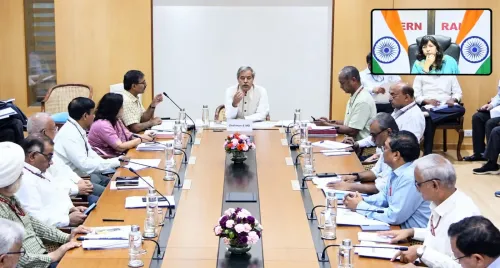
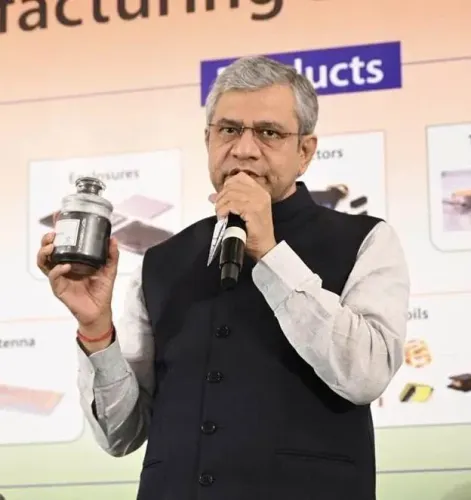
Railway Minister Ashwini Vaishnaw and the Railway Board Chairman personally directed immediate corrective action across Indian Railways.
Measures include new filtration systems, phased tank replacement, regular testing, and E. coli testing kits at Inspector of Works offices.
The Railway Board will publish periodic progress and water-quality reports to ensure public accountability.
Central Railway has launched a sweeping overhaul of drinking water quality, filtration, and monitoring systems across its network following observations in a Comptroller and Auditor General (CAG) report, officials said on Sunday, 20 September 2026. The initiative covers approximately 20,000 points across stations, coaching depots, and passenger interface points — and comes after a high-level review directed immediate corrective action across Indian Railways.
What Triggered the Overhaul
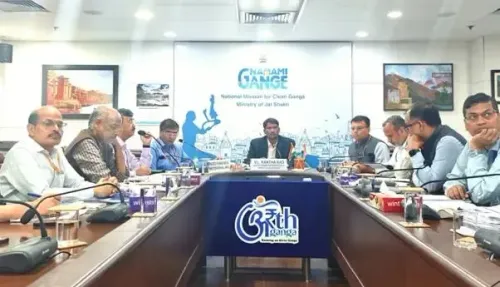
The action follows a detailed review conducted by Railway Minister Ashwini Vaishnaw, the Chairman and CEO of the Railway Board, and senior Railway Board officials, who directed Central Railway to implement corrective measures on a war-footing basis. The CAG's observations centred on drinking water samples collected during 2023–24 at four major stations: Chhatrapati Shivaji Maharaj Terminus (CSMT), Bhiwandi Road, Kalyan, and Lonavala.
In response, Central Railway conducted a special testing drive across all four stations. Water samples underwent physical, chemical, and bacteriological testing, and all results were found satisfactory. Officials confirmed that no E. coli or bacteriological contamination was detected at any of the four sites.
Key Measures Being Rolled Out
Central Railway is installing new filtration systems, including water coolers and water-quality monitoring arrangements, at roughly 20,000 points across its network. The railway is also identifying old and worn-out storage tanks for phased replacement.
Additional corrective steps include enforcing regular water-quality testing at source and outlet points, centralised monitoring, and scheduled cleaning and maintenance of storage tanks. On-ground actions have already begun: leaking taps have been replaced, missing taps installed, water-piping systems checked for leaks, and tight covers with mesh fitted on vents and overflow arrangements. Accumulated silt has been removed from water coolers at the affected stations.
E. coli testing kits have been provided at the concerned Inspector of Works offices for periodic on-site testing — a measure aimed at reducing the lag between contamination and detection.
Monitoring and Transparency Commitments
The Railway Board is directly monitoring the rollout and has committed to publishing periodic progress and water-quality reports to ensure transparency and public accountability. Officials emphasised that the drinking water currently supplied at the four flagged stations is safe and potable, based on the latest round of testing.
Broader Context
This is not the first time the CAG has flagged infrastructure gaps on Indian Railways — previous reports have cited signalling, maintenance, and safety deficiencies. However, a direct ministerial-level intervention directing network-wide water safety upgrades is relatively uncommon, underscoring the seriousness with which the current administration is treating the audit findings. With millions of passengers relying on railway drinking water daily, the stakes for consistent implementation remain high.
Execution timelines for the full 20,000-point rollout have not yet been publicly specified; the Railway Board's periodic reporting mechanism will be a key indicator of progress.
Point of View
But the real test is whether the 20,000-point rollout is completed on a verifiable timeline rather than quietly stalling after the initial headline response. Periodic Railway Board reporting is a step toward accountability, but independent third-party verification of water quality — not just internal testing — would be a more credible assurance for the millions of passengers who drink this water daily. The absence of a publicly stated completion deadline is a gap worth watching.
NationPress
20 Sept 2026
Frequently Asked Questions
Why is Central Railway upgrading its drinking water systems?
Central Railway is upgrading its water systems following observations in a Comptroller and Auditor General (CAG) report that flagged drinking water quality concerns at four stations — CSMT, Bhiwandi Road, Kalyan, and Lonavala — based on samples collected during 2023–24. Railway Minister Ashwini Vaishnaw and senior Railway Board officials directed immediate corrective measures across Indian Railways.
Is the drinking water at the four flagged stations safe now?
According to Central Railway officials, a special retesting drive found all water samples from CSMT, Bhiwandi Road, Kalyan, and Lonavala to be satisfactory. No E. coli or bacteriological contamination was detected, and the railway has declared the water currently supplied at these stations safe and potable.
What specific measures is Central Railway implementing?
Central Railway is installing new filtration systems, water coolers, and water-quality monitoring arrangements at about 20,000 points across its network. Other steps include phased replacement of old storage tanks, regular testing at source and outlet points, centralised monitoring, scheduled cleaning, repair of leaking taps, and distribution of E. coli testing kits to Inspector of Works offices.
Who is overseeing the water safety improvements?
The Railway Board is directly monitoring the implementation and has committed to publishing periodic progress and water-quality reports to ensure transparency. The initiative was directed by Railway Minister Ashwini Vaishnaw along with the Chairman and CEO of the Railway Board and senior officials.
What is the scale of Central Railway's network covered under this initiative?
The measures span approximately 20,000 points across Central Railway's network, covering stations, coaching depots, and other passenger interface points. Implementation is being expedited on a war-footing basis in compliance with Railway Board directives.