SER cleans 14,248 water tanks at Bengal stations after CAG rap
Synopsis
After a CAG audit exposed poor drinking water quality at Indian railway stations, South Eastern Railway has cleaned nearly 60% of its 24,033 water tanks, overhauled all 63 chlorination plants, and tested over 1,500 water samples. The scale of the response reveals just how far standards had slipped.
Key Takeaways
South Eastern Railway has cleaned 14,248 of 24,033 water tanks ( 59.23% ) at stations as part of a CAG-prompted overhaul.
167 locations have been identified for infrastructure attention; damaged equipment at 39 locations is being replaced on priority.
All 63 chlorination plants across SER have been inspected and chlorine dosing regulated.
52 of 55 pressure or gravity filters have been cleaned and defective components replaced.
Over 1,561 RCL, 283 bacteriological, and 21 chemical water samples have been collected for quality testing.
The drive follows a CAG report and a directive from Railway Minister Ashwini Vaishnaw to all zonal railways.
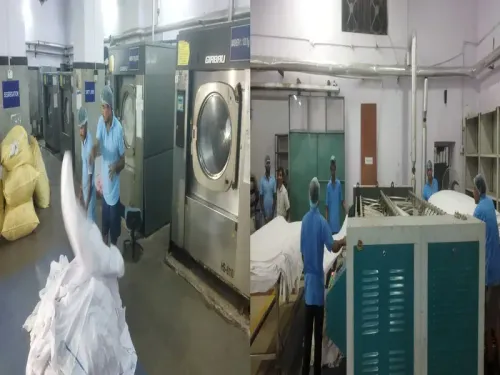
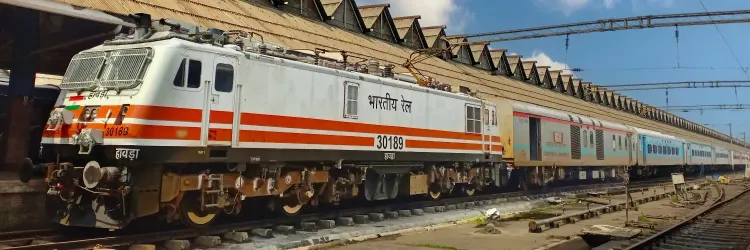
South Eastern Railway (SER) has undertaken a sweeping overhaul of drinking water infrastructure across its network, cleaning 14,248 of 24,033 water tanks — or 59.23% of the total — as part of corrective action prompted by a Comptroller and Auditor General (CAG) report that flagged substandard water quality at railway stations. Railway Minister Ashwini Vaishnaw had directed all zonal railways to take adequate corrective measures after the CAG findings were published.
Scale of the Infrastructure Drive
According to an SER official, field teams are conducting regular inspections of water sources, treatment and filtration plants, underground and overhead tanks, PVC tanks, water booths, taps, and dispensing points across all sections. Of 167 locations identified for attention due to deficient water-supply infrastructure, damaged tanks, pipelines, and filters at 39 locations are being replaced on a priority basis, work at 33 locations is currently in progress, and pipelines at 81 locations have already been repaired or replaced.
Filtration and Chlorination Overhauled
Special focus has been placed on filtration and disinfection systems. Of 55 pressure or gravity filters, 52 have been cleaned and defective components replaced. All 63 chlorination plants across SER have been inspected, with chlorine dosing regulated wherever necessary to ensure adequate disinfection. A comprehensive Annual Maintenance Contract (AMC) is operational to maintain water coolers and purification units, and scheduled cleaning of storage tanks is being carried out monthly.
Water Quality Monitoring Under Way
Water quality oversight is being conducted in coordination with SER's health and medical department. According to the official, 1,561 water samples have been collected for Residual Chlorine Level (RCL) testing, 283 for bacteriological testing, and 21 for chemical testing — all as per prescribed protocol. Field staff are also taking immediate corrective action to arrest leakages from water coolers, taps, and fittings to reduce wastage.
Context: CAG Report and Ministerial Direction
The initiative follows a CAG audit that flagged the quality of water being supplied at stations across zonal railways. This is not the first time India's railway network has faced scrutiny on passenger amenities — past CAG reports have similarly highlighted gaps in sanitation and water provision at stations. The current drive at SER signals a more structured, measurable response: each category of intervention — cleaning, replacement, testing — is being tracked with specific counts. How consistently these standards are maintained beyond the current audit cycle will determine whether the improvements are durable.
Point of View
All chlorination plants attended to, thousands of water samples collected. But the backdrop matters: these measures were triggered by a CAG audit, not proactive railway governance. The more pointed question is why water quality at stations had deteriorated to the point of warranting a national audit finding in the first place. A one-time blitz of maintenance is not the same as a sustainable quality assurance system; without independent third-party verification and publicly reported test results, passengers have little way of knowing whether the improvements will outlast the ministerial directive.
NationPress
20 Sept 2026
Frequently Asked Questions
Why is South Eastern Railway upgrading water facilities at stations?
SER is upgrading water facilities following a Comptroller and Auditor General (CAG) report that flagged poor drinking water quality at railway stations. Railway Minister Ashwini Vaishnaw subsequently directed all zonal railways to take corrective measures.
How many water tanks has SER cleaned so far?
SER has cleaned 14,248 of its 24,033 water tanks, accounting for 59.23% of the total. Cleaning of the remaining tanks is ongoing as part of the infrastructure overhaul.
What water quality tests are being conducted?
SER, in coordination with its health and medical department, has collected 1,561 samples for Residual Chlorine Level testing, 283 for bacteriological testing, and 21 for chemical testing, in line with prescribed protocol.
What is being done about damaged water infrastructure at stations?
Of 167 locations identified as deficient, damaged tanks, pipelines, and filters at 39 locations are being replaced on a priority basis, work is in progress at 33 locations, and pipelines at 81 locations have already been repaired or replaced.
How are chlorination and filtration being improved?
All 63 chlorination plants across SER have been inspected and chlorine dosing regulated where necessary. Of 55 pressure or gravity filters, 52 have been cleaned and defective components replaced.