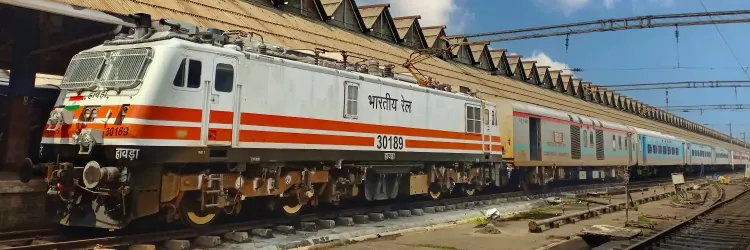
Eastern Railway cleans 7,358 water tanks, tests 1,498 sites in 9 days
Synopsis
Eastern Railway cleaned over 7,300 water tanks and tested water quality at nearly 1,500 locations in under six weeks — a scale that signals the Railway Board is treating platform drinking water as a non-negotiable public health priority, not a routine maintenance checkbox.
Key Takeaways
Eastern Railway cleaned 7,358 water tanks — including overhead, underground, and PVC tanks — between 20 August and 29 September .
Asansol Division led with 2,465 tanks cleaned; Howrah followed with 2,187 , Sealdah with 1,553 , and Malda with 1,153 .
Water quality was tested at 1,498 locations across the zone between 21 and 29 September .
The Railway Board has mandated that tank cleaning be a continuous process, with all records submitted for central assessment.
Third-party audits and surprise inspections may be introduced if quality standards are not consistently met.
Eastern Railway (ER) has significantly stepped up its drinking water safety operations across its jurisdiction, cleaning 7,358 water tanks between 20 August and 29 September and conducting quality tests at 1,498 locations over a nine-day window — moves aimed at ensuring potable water reaches passengers, railway staff, and colony residents at all railway premises.
Scale of the Tank-Cleaning Drive
The cleaning exercise, carried out across all four divisions and multiple workshops under the zonal railway, covered overhead tanks, underground tanks, and PVC tanks. Division-wise, Asansol Division accounted for the highest count at 2,465 tanks, followed by Howrah Division at 2,187, Sealdah Division at 1,553, and Malda Division at 1,153.
According to an official statement, the drive was undertaken in line with directives from the Railway Board, which has made it clear that tank cleaning must be treated as a continuous — not one-time — process.
Water Quality Testing Programme
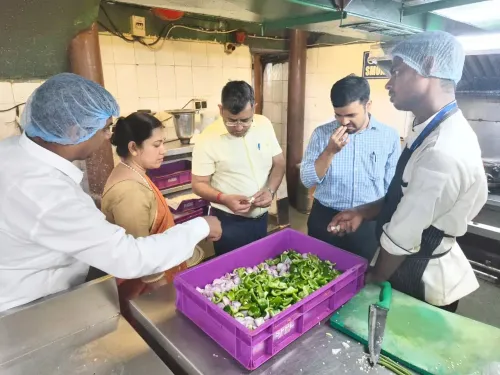
Alongside the physical cleaning, Eastern Railway launched a systematic technical testing programme. From 21 September to 29 September, water samples were collected and tested at 1,498 locations across the zone. 'The continuous testing of water samples provides an effective mechanism for pre- and post-cleaning assessment of water quality, thereby helping to ensure that potable drinking water supplied at railway premises meets the required quality standards,' an official said.
All test records are being maintained and submitted to the Railway Board for assessment, the official added.
Why This Matters for Passengers
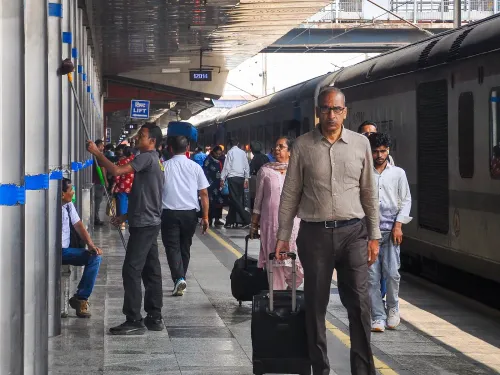
While packaged drinking water is available at stalls across most stations, thousands of passengers continue to rely on platform taps daily — making water quality a direct public health concern. A railway official based in New Delhi underscored the stakes: 'This is not optional. It has to be given top priority by all zonal railways. It concerns the health of passengers who rely on drinking water sources at stations.'
The official further noted that third-party audits and surprise inspections could be deployed if required, signalling that oversight mechanisms are being kept open.
What Happens Next
Officials in Kolkata confirmed that Eastern Railway intends to sustain these activities on an ongoing basis, with continued emphasis on cleanliness, regular maintenance of water storage infrastructure, and stringent quality monitoring. The initiative covers railway stations, offices, workshops, and residential colonies under ER's jurisdiction. The broader objective, according to officials, is to safeguard the health of passengers, railway employees, and residents of railway colonies across the zone.
Point of View
300 tanks cleaned and nearly 1,500 sites tested in a matter of weeks — reflects how far basic infrastructure upkeep had lagged on the network. The Railway Board's insistence on continuous cleaning, backed by the threat of third-party audits, suggests past self-reporting was considered insufficient. The real test is whether this intensity is maintained after the directive's spotlight fades, or whether it reverts to the sporadic drives that have historically preceded complaints about contaminated platform water.
NationPress
1 Oct 2026
Frequently Asked Questions
How many water tanks did Eastern Railway clean and in what period?
Eastern Railway cleaned 7,358 water tanks — covering overhead, underground, and PVC tanks — between 20 August and 29 September . The drive covered all four divisions: Asansol, Howrah, Sealdah, and Malda.
Which Eastern Railway division cleaned the most water tanks?
The Asansol Division cleaned the highest number at 2,465 tanks , followed by Howrah (2,187), Sealdah (1,553), and Malda (1,153).
How many locations were tested for water quality and over what period?
Water quality tests were conducted at 1,498 locations across Eastern Railway between 21 and 29 September — a nine-day window designed to assess both pre- and post-cleaning water quality.
Why has the Railway Board made water tank cleaning mandatory?
The Railway Board has directed all zonal railways to treat tank cleaning as a continuous process because thousands of passengers depend on platform taps daily, making water quality a direct public health concern. Officials have warned that third-party audits and surprise inspections may be introduced to enforce compliance.
Will Eastern Railway continue these water safety activities beyond this drive?
Yes. Officials in Kolkata confirmed that Eastern Railway will sustain cleaning, maintenance, and water quality monitoring on an ongoing basis. Regular sample testing will continue to ensure drinking water at stations, offices, workshops, and railway colonies meets required standards.