Indian Railways launches clean drinking water drive at stations
Synopsis
Indian Railways has ordered a network-wide sweep of its drinking-water infrastructure — draining and disinfecting tanks, testing water at source and point of consumption, and upgrading UV/RO systems — in what the Railway Board is framing as a mission-mode push for passenger safety, not just a routine cleanliness exercise.
Key Takeaways
Indian Railways launched a special drinking-water cleanliness drive on 24 August , covering stations across the entire network.
Zonal Railways will drain, desludge, scrub, and disinfect all drinking-water tanks, and repair or replace damaged pipelines and filters.
Water testing will cover physical, chemical, and bacteriological parameters, with daily residual-chlorine monitoring at key points.
UV/RO purification systems for water coolers will be checked, upgraded, or installed on a mission-mode basis wherever required.
The drive extends to water vending machines , hand pumps, borewells, and drinking-water infrastructure in Railway colonies and workplaces.
Zonal Railways must submit station-wise deficiency reports and corrective-action details for time-bound monitoring by the Railway Board.
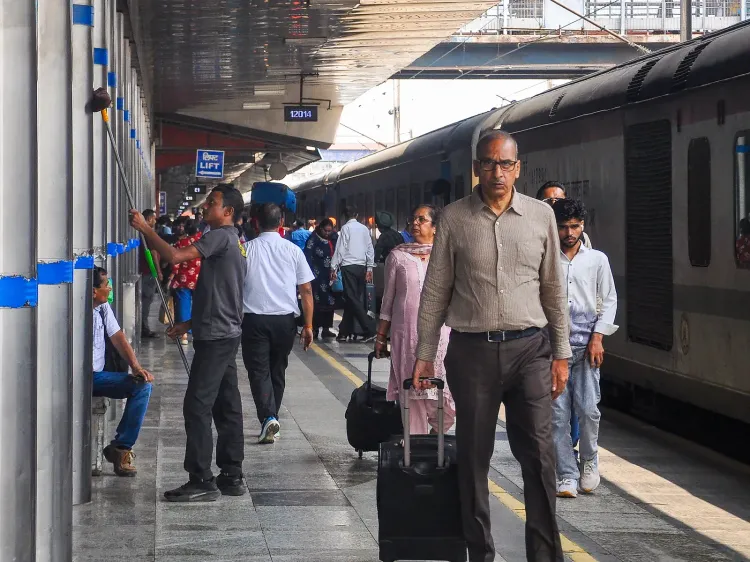
Indian Railways has launched a special cleanliness drive across its entire network, targeting the cleaning, disinfection, and quality testing of drinking-water infrastructure at railway stations, according to an official statement issued on Monday, 24 August. The initiative forms part of a broader action plan to strengthen drinking-water quality management and ensure safe, potable water for passengers travelling across the country.
Scope of the Drive
Under the drive, Zonal Railways will carry out comprehensive inspections covering water sources, treatment and filtration plants, underground and overhead tanks, PVC tanks, water booths, taps, and water-dispensing points. All drinking-water tanks will be drained, desludged, scrubbed, and disinfected. Steps will also be taken to ensure tanks have tight covers with adequate protection of vents and overflow points against birds, animals, and algae growth.
Damaged tanks, pipelines, and filters will be repaired or replaced as required. Crucially, the drive mandates that there be no cross-connection between potable and non-potable water systems — a safeguard that addresses one of the most common sources of contamination in large distribution networks. All piping within the drinking-water circuit will be checked for leakages to prevent water wastage.
Focus on Water Coolers and Purification Systems
The Railway Board has specifically directed Zonal Railways to inspect water coolers and purification systems. Tanks inside coolers will be thoroughly cleaned, leakages in coolers, pipelines, and taps addressed promptly, and full hygiene maintained around water-cooler dispensing areas. UV/RO purification systems will be checked for proper functioning and installed wherever not yet available. Scheduled maintenance, servicing, overhauling, and timely replacement of filter candles and other components will be carried out. New or replacement UV/RO systems will be taken up on a mission-mode basis based on condition and requirement.
The same hygiene and purification standards will apply to water vending machines across stations, ensuring that water dispensed through such facilities meets prescribed safety benchmarks.
Quality Testing and Monitoring
Officials will conduct physical, chemical, and bacteriological testing of water samples from identified locations — including sources, post-treatment outlets, tanks, coolers, vending machines, and representative taps or booths. Daily residual-chlorine monitoring will be undertaken, with immediate re-chlorination or other corrective action wherever levels fall short. The emphasis on testing at both the source and the point of consumption — rather than relying solely on end-of-pipe testing — marks a notable shift in the Railways' quality-assurance approach.
Special attention has been directed toward locations using hand pumps and borewells for drinking water extraction, with Zonal Railways required to ensure such sources remain free from contamination.
Infrastructure Upgrades and Accountability
The Railway Board has directed Zonal Railways to monitor and expedite works already sanctioned for the replacement and construction of new overhead and underground tanks. A summary of these sanctioned works will be prepared, and fresh sanctions processed wherever required. Zonal Railways will submit station-wise details of deficiencies identified and corrective actions taken, enabling systematic, time-bound monitoring of outcomes.
The action plan extends beyond passenger areas, encompassing drinking-water infrastructure in Railway colonies and workplaces as well. With Indian Railways serving millions of passengers daily, the drive's success will ultimately be measured by whether its station-level monitoring translates into sustained improvements — not just a one-time inspection cycle.
Point of View
But the real question is enforcement. Large-scale cleanliness drives on the railway network have been announced before; what typically erodes them is the absence of independent, third-party verification and consequences for non-compliance. Station-wise deficiency reporting to the Railway Board is a step toward accountability, but without public disclosure of those reports, passengers have no way to hold Zonal Railways to the timeline. The extension of the drive to Railway colonies is welcome, but it also signals how systemic the infrastructure gap is — this is not a passenger-area problem alone.
NationPress
9 Oct 2026
Frequently Asked Questions
What is the Indian Railways clean drinking water drive announced on 24 August?
It is a special network-wide cleanliness initiative directed by the Railway Board, requiring Zonal Railways to clean, disinfect, and quality-test all drinking-water infrastructure at stations — including tanks, filtration plants, water coolers, and vending machines. The drive aims to ensure safe and potable water for passengers across the country.
Which water infrastructure will be covered under the drive?
The drive covers underground and overhead tanks, PVC tanks, water booths, taps, water-dispensing points, water coolers with UV/RO systems, water vending machines, hand pumps, and borewells. Drinking-water infrastructure in Railway colonies and workplaces is also included.
How will Indian Railways test water quality during this drive?
Officials will conduct physical, chemical, and bacteriological testing of water samples from sources, post-treatment outlets, tanks, coolers, vending machines, and representative taps. Daily residual-chlorine monitoring will also be carried out, with immediate corrective action wherever levels are inadequate.
What happens to deficiencies found during the inspection?
Zonal Railways must submit station-wise details of deficiencies identified and the corrective actions taken. Damaged tanks, pipelines, and filters will be repaired or replaced. The Railway Board will use these reports for systematic, time-bound monitoring of outcomes.
Will UV/RO systems be upgraded as part of this initiative?
Yes. The Railway Board has directed that UV/RO purification systems for water coolers be checked for proper functioning and installed wherever not yet available. New or replacement systems will be taken up in mission mode based on condition and operational requirement.