Indian Railways runs 19 Rail Neer plants, each producing 1 lakh bottles daily
Synopsis
Indian Railways has 19 Rail Neer plants churning out 1 lakh bottles each per day — and Parliament just got the full picture. From a ₹10 crore PPP plant cost to 177 Accident Relief Trains blanketing the network, the ministerial disclosures reveal the scale of infrastructure keeping 13 million daily passengers fed, hydrated, and safer.
Key Takeaways
Indian Railways operates 19 Rail Neer plants , each producing 1 lakh bottles of packaged drinking water per day.
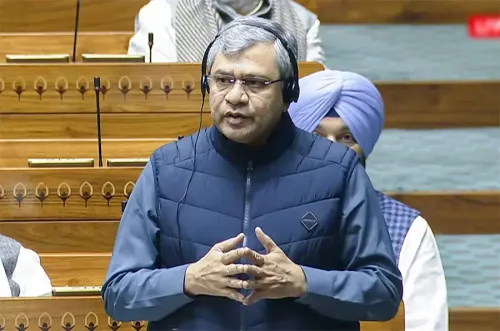
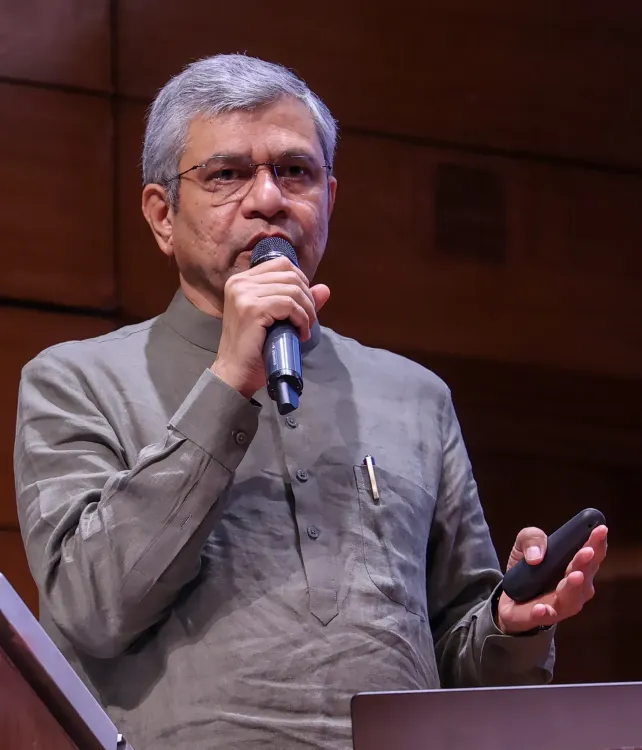
Current Rail Neer supply fully meets demand across all major trains and stations, Union Minister Ashwini Vaishnaw told the Lok Sabha on 5 August .
Setting up a new Rail Neer plant under the PPP model costs approximately ₹10 crore , excluding land.
IRCTC is responsible for identifying and setting up additional plants based on demand.
Indian Railways has 177 Accident Relief Trains , 100 high-capacity 140T cranes , and 170 ARME Scale-I units deployed across the network.
Frontline staff — including Loco Pilots, Station Managers, and Guards — are trained in fire fighting, first aid, and disaster management.
Indian Railways operates 19 Rail Neer plants across the country, each with a production capacity of 1 lakh bottles per day, the Lok Sabha was informed on 5 August. The plants collectively meet the packaged drinking water demand on all major trains and stations without shortfall, according to a ministerial statement.
Rail Neer Supply and Capacity
Union Minister for Railways Ashwini Vaishnaw told the Lok Sabha that the current demand for Packaged Drinking Water (PDW) under the Rail Neer brand is being fully met by the existing operational plants. The tentative cost of establishing a new Rail Neer plant under the public-private partnership (PPP) model is approximately ₹10 crore per unit of similar capacity, excluding land costs.
Indian Railways Catering and Tourism Corporation (IRCTC) has been assigned responsibility for setting up additional Rail Neer plants at identified locations based on demand projections across the rail network. This comes as passenger footfall on Indian Railways continues to rise post-pandemic, placing greater pressure on onboard services.
Fire Safety Infrastructure at Stations and Trains
In a separate reply in the Lok Sabha, Minister Vaishnaw stated that Indian Railways is continuously engaged in mitigation, preparedness, response, and recovery for all foreseeable hazards, including fire incidents at railway stations and aboard trains.
Safety provisions at stations include portable fire extinguishers, fire buckets, and automatic fire alarms in relay and interlocking rooms. Station masters are equipped with control phones to immediately disconnect power supply to overhead equipment (OHE) in the event of an OHE-related fire. Public address systems are in place to guide passengers during evacuations.
Staff Training and Emergency Preparedness
Frontline railway staff — including Station Managers, Train Managers (Guards), Commercial-cum-Ticket Clerks, Loco Pilots, and Assistant Loco Pilots — undergo structured training in fire fighting, first aid, and disaster management as part of their core training modules. Electrical systems at stations are maintained on a regular schedule to prevent fire risk from short-circuits.
Accident Relief Network
Indian Railways has deployed a nationwide emergency response network comprising 177 Accident Relief Trains (ARTs), 100 high-capacity 140-tonne breakdown diesel-hydraulic cranes, and 170 Accident Relief Medical Equipment (ARME) Scale-I units, all positioned at identified locations to cover the entire rail network. Together, these assets form the backbone of the railways' rapid-response capability for major incidents.
The disclosures, made during the ongoing Parliament session, offer a rare consolidated view of both the passenger services infrastructure and the safety architecture underpinning one of the world's largest rail networks.
Point of View
How quickly can new PPP plants actually come online given land acquisition timelines? The ₹10 crore per-plant cost is modest, but land exclusion is a significant caveat in land-scarce urban rail corridors. On fire safety, the inventory of extinguishers and ARTs is substantial — but the effectiveness of any safety framework ultimately depends on how rigorously training modules are refreshed and audited, not just how many staff are enrolled. Parliament gets the numbers; the follow-through happens far from the chamber.
NationPress
20 Sept 2026
Frequently Asked Questions
How many Rail Neer plants does Indian Railways operate?
Indian Railways operates 19 Rail Neer plants across the country as of August 2024, each capable of producing 1 lakh bottles of packaged drinking water per day. The plants currently meet all demand on major trains and stations.
What is the cost of setting up a new Rail Neer plant?
The tentative cost of establishing a Rail Neer plant under the public-private partnership (PPP) model is approximately ₹10 crore per plant of similar capacity, excluding land costs. IRCTC is responsible for identifying locations for new plants.
Who is responsible for expanding Rail Neer infrastructure?
IRCTC (Indian Railways Catering and Tourism Corporation) has been tasked with setting up Rail Neer plants at identified locations based on requirement and demand across the Indian Railways network.
What fire safety measures does Indian Railways have at stations?
Indian Railways stations are equipped with portable fire extinguishers, fire buckets, automatic fire alarms in relay and interlocking rooms, control phones for power disconnection, and public address systems for evacuation guidance. Electrical systems are regularly maintained to prevent short-circuit fires.
What is Indian Railways' accident relief network?
Indian Railways has deployed 177 Accident Relief Trains (ARTs) , 100 high-capacity 140-tonne diesel-hydraulic cranes , and 170 Accident Relief Medical Equipment (ARME) Scale-I units at strategic locations to cover the entire rail network in emergencies.