Vaishnaw launches 'Tank to Tap' overhaul at 20,000 railway locations after CAG water audit
Synopsis
A CAG audit of 512 railway stations found E. coli at 8 stations — including CSMT and New Delhi — and 89% failing basic amenity standards. Railway Minister Vaishnaw's 'Tank to Tap' response now puts 20,000 locations under a new filtration and monitoring regime, with the Railway Board on the hook for public progress reports.
Key Takeaways
Railway Minister Ashwini Vaishnaw has ordered a 'Tank to Tap' water-supply overhaul across approximately 20,000 locations on the Indian Railways network.
A CAG audit of 512 non-suburban stations detected E. coli in water-cooler samples at 8 stations , including CSMT , Hyderabad , Coimbatore , and Kalyan .
Total coliform contamination was found at 49 stations in 2022-23 and 56 stations in 2023-24 .
More than 89% of audited stations — 458 of 512 — failed Minimum Essential Amenities standards.
Drinking-water taps were deficient at 2,035 locations ; urinal shortfalls at 403 stations ; latrine gaps at 201 stations .
The Railway Board will oversee implementation with periodic public water-quality and progress reports.
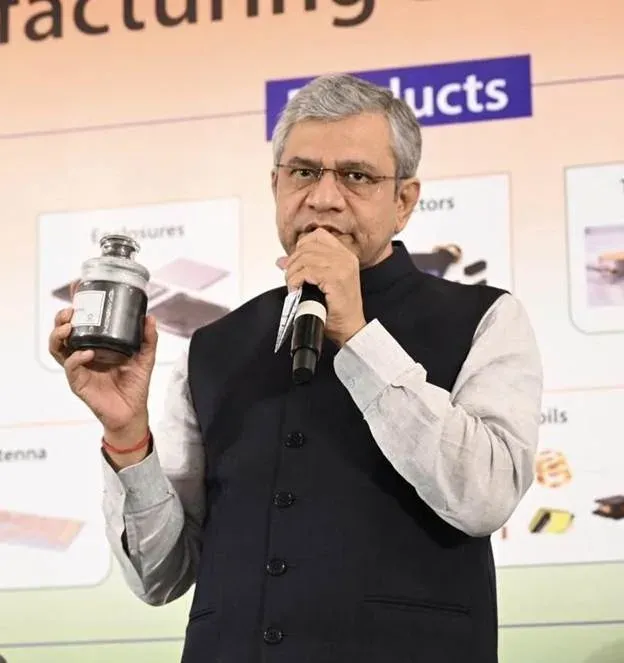
Railway Minister Ashwini Vaishnaw has ordered a nationwide overhaul of the Indian Railways water-supply system, directing the rollout of a 'Tank to Tap' filtration and monitoring programme across approximately 20,000 locations following a Comptroller and Auditor General (CAG) audit that flagged serious contamination risks and infrastructure gaps at railway stations across the country. The directive was issued on 18 August from New Delhi.
What the 'Tank to Tap' Programme Entails
The initiative will cover the full water-supply chain — from storage to point of use. The Railways plans to replace ageing water tanks, enforce regular testing at both source and outlet points, and mandate scheduled cleaning and maintenance cycles. Strengthened monitoring mechanisms will be deployed to enable timely detection and resolution of water-quality failures.
The Railway Board will oversee implementation, with periodic water-quality and progress reports to be published — a step the ministry says is aimed at reinforcing accountability throughout the supply chain.
What the CAG Audit Found
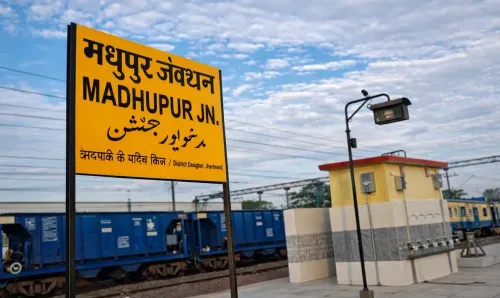
The CAG audit covered 512 non-suburban railway stations and uncovered significant deficiencies across drinking water, sanitation, and essential passenger amenities. Among the most alarming findings: E. coli was detected in water-cooler samples at eight stations — Coimbatore, Palakkad Junction, Hyderabad, Chhatrapati Shivaji Maharaj Terminus (CSMT), Bhiwandi Road, Kalyan, Lonavala, and Madhupur.
Platform tap samples showed total coliform bacteria contamination at 49 stations in 2022-23 and 56 stations in 2023-24, indicating the problem worsened year-on-year. Overall, 458 of the 512 stations audited — more than 89% — failed to meet Minimum Essential Amenities standards.
Scale of the Deficiencies
The audit documented specific shortfalls: inadequate latrine facilities at 201 stations, insufficient urinals at 403 stations, and drinking-water taps missing or deficient at 2,035 locations. Notably, even top-tier NSG-1 stations — including CSMT, Howrah, Sealdah, New Delhi, and Mumbai Central — were found lacking certain basic passenger facilities, underscoring that the problem is not confined to smaller or remote stations.
CAG Recommendations and Next Steps
The CAG has recommended stricter compliance with water-supply inspection procedures and comprehensive testing under the Uniform Drinking Water Quality Protocol. The Railways' response — the 'Tank to Tap' rollout — is framed as a direct answer to those recommendations. This comes amid growing scrutiny of railway passenger amenities, with the CAG's findings adding institutional weight to longstanding passenger complaints about hygiene at major stations.
Whether the programme translates into measurable improvement will depend on the robustness of the monitoring and reporting framework the Railway Board puts in place — details of which are yet to be made fully public.
Point of View
But its real test lies in the monitoring and reporting architecture the Railway Board builds around it — periodic public reports are promised, but enforcement teeth and independent verification remain unspecified. Without those, this risks being another announcement that does not move the needle on passenger safety.
NationPress
2 Oct 2026
Frequently Asked Questions
What is the 'Tank to Tap' programme ordered by Railway Minister Vaishnaw?
'Tank to Tap' is a nationwide water-supply overhaul for Indian Railways, directed by Railway Minister Ashwini Vaishnaw, covering approximately 20,000 locations. It involves replacing old water tanks, regular testing at source and outlet points, scheduled tank cleaning, and strengthened monitoring to ensure safe drinking water from storage to consumption.
What did the CAG audit find about water quality at railway stations?
The CAG audit of 512 non-suburban stations found E. coli in water-cooler samples at eight stations, including CSMT, Hyderabad, and Coimbatore. Total coliform contamination was detected at 49 stations in 2022-23 and 56 stations in 2023-24, with more than 89% of audited stations failing Minimum Essential Amenities standards.
Which railway stations were found to have E. coli contamination?
E. coli was detected in water-cooler samples at eight stations: Coimbatore, Palakkad Junction, Hyderabad, Chhatrapati Shivaji Maharaj Terminus, Bhiwandi Road, Kalyan, Lonavala, and Madhupur, according to the CAG audit findings.
Were major stations like New Delhi and Howrah also found deficient?
Yes. Even top-tier NSG-1 stations — including CSMT, Howrah, Sealdah, New Delhi, and Mumbai Central — were found lacking certain basic passenger facilities, according to the CAG report. The deficiencies are not limited to smaller or remote stations.
What has the CAG recommended to address railway water-quality gaps?
The CAG has recommended stricter compliance with water-supply inspection procedures and comprehensive testing under the Uniform Drinking Water Quality Protocol. The Railway Board has been tasked with overseeing the 'Tank to Tap' rollout and publishing periodic water-quality and progress reports.