Why Are Chinese Media Outlets in Afghanistan Ignoring Poverty and Human Rights Abuses?
Synopsis
Discover how Chinese media outlets in Afghanistan are shaping narratives by promoting Beijing's positive role while neglecting critical issues like poverty and human rights abuses. This report sheds light on the changing media landscape since the Taliban's rise to power in 2021.
Key Takeaways
Chinese media in Afghanistan are focusing on positive narratives about Beijing.
Many local journalists face censorship and economic pressure.
Western media outlets have largely exited the Afghan media landscape.
Collaboration with Taliban-controlled media is increasing.
The independent media sector is at risk of collapse.
Kabul, Jan 19 (NationPress) Since the Taliban took control in 2021, China's media influence in Afghanistan has grown significantly. Afghan journalists allege that Chinese media outlets in the region are focusing on content that promotes Beijing's positive contributions while steering clear of subjects involving poverty, human rights violations, or repression, according to a recent report.
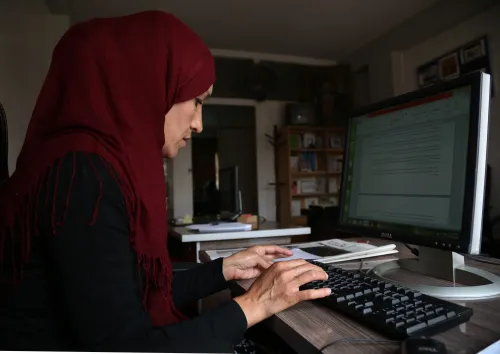
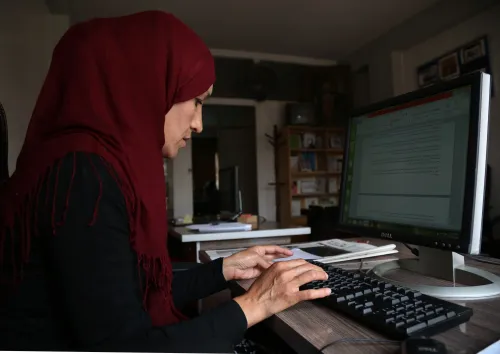
Following the Taliban's rise to power, the media environment has deteriorated sharply due to funding shortages and stringent regulations. Numerous media organizations have ceased operations, resulting in thousands of journalists losing their jobs, while those who remain face censorship, intimidation, and economic hardship. A report by Radio Free Europe Radio Liberty (RFE/RL) noted that Chinese state media is stepping in to fill this gap.
According to the report, China has significantly augmented its media presence in Afghanistan post-2021, with Afghan journalists informing RFE/RL that Chinese outlets are creating content that showcases Beijing’s favorable role while neglecting narratives about issues such as poverty and human rights abuses.
An Afghan journalist, who requested anonymity, revealed, "Our focus is solely on positive narratives. We are instructed to create documentaries and reports that bolster [China’s] relations with the [Taliban] government."
The journalist further expressed, "We observe hunger and hardship during our field visits, but those stories are unwelcome. The true situation is concealed."
Multiple Afghan journalists affiliated with Chinese news agencies in Kabul reported being directed not to engage with other media, with job loss threatened for those who do. Former employees of China Central Television (CCTV) and China Global Television Network (CGTN) disclosed that these Chinese outlets often shared content with Afghan channels that depicted Beijing’s "constructive role," despite also addressing corruption, insecurity, and political dysfunction—content reflecting Beijing’s rivalry with Washington.
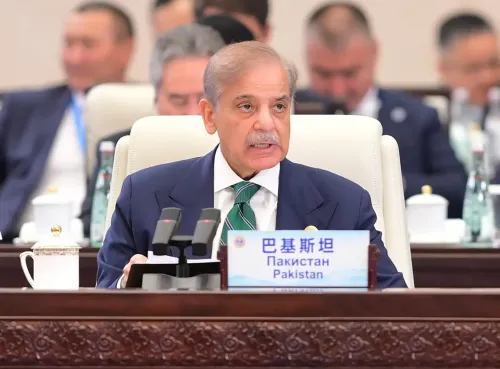
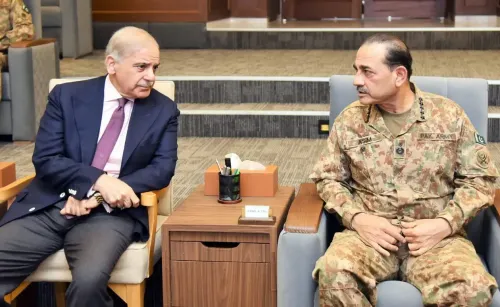
A senior Afghan manager at a Chinese media firm mentioned that these outlets now emphasize reporting on regional political and security matters after the Taliban's takeover, particularly the tensions between Afghanistan and Pakistan.
This manager noted that Chinese media have strengthened collaborations with Taliban-controlled state media, such as Bakhtar News Agency, through joint programming, content sharing, and technical assistance. Analysts suggest that China’s strategy aims to enhance its political and economic sway in Afghanistan as Western media withdraw and local outlets struggle under Taliban-imposed constraints.
The RFE/RL report highlighted that Afghanistan's independent media landscape is on the brink of collapse. Many journalists have fled, and numerous outlets face imminent closure, primarily due to the withdrawal of financial support from Western donors. Furthermore, Taliban regulations have instituted extensive censorship, banned entertainment content, and limited women's involvement in media.
Point of View
It is imperative to recognize the ongoing transformation in Afghanistan's media environment. The challenges faced by local journalists and the influence of foreign media must be reported with integrity and accuracy, ensuring that the voices of those affected are heard and represented.
NationPress
6 Oct 2026
Frequently Asked Questions
What is the current state of media in Afghanistan?
The media landscape in Afghanistan has collapsed significantly since the Taliban took power in 2021, with many outlets shutting down and journalists facing severe restrictions.
How are Chinese media outlets operating in Afghanistan?
Chinese media outlets are focusing on creating content that promotes Beijing's positive image while avoiding coverage of negative issues such as poverty and human rights violations.
What challenges do Afghan journalists face?
Afghan journalists are facing censorship, intimidation, and economic pressure, leading to job losses and a shrinking media landscape.
Why is the collaboration between Chinese media and Taliban significant?
The collaboration aims to strengthen China's political and economic influence in Afghanistan, especially as Western media withdraw from the region.
What impact does this have on independent journalism?
The reliance on Chinese media is diminishing the diversity of perspectives in Afghan journalism, leading to a potential loss of independent reporting on critical issues.