Honoring the Legacy: President Murmu and Delhi Assembly Speaker Commemorate Freedom Fighters on March 30, 1919
Synopsis
On March 30, 2023, President Droupadi Murmu and Delhi Assembly Speaker Vijender Gupta commemorated the historic Rowlatt Satyagraha of 1919. Their meeting highlighted the sacrifices made by freedom fighters, emphasizing the importance of remembering this pivotal moment in India's struggle for independence.
Key Takeaways
March 30, 1919 is remembered for the Rowlatt Satyagraha led by Swami Shraddhanand .
The Rowlatt Act allowed arrest without warrant, impacting Indian civil liberties.
President Murmu highlighted the need to keep the spirit of remembrance alive.
The meeting aimed to honor the sacrifices of freedom fighters.
The legacy of the 1919 Delhi massacre remains significant in India's fight for independence.
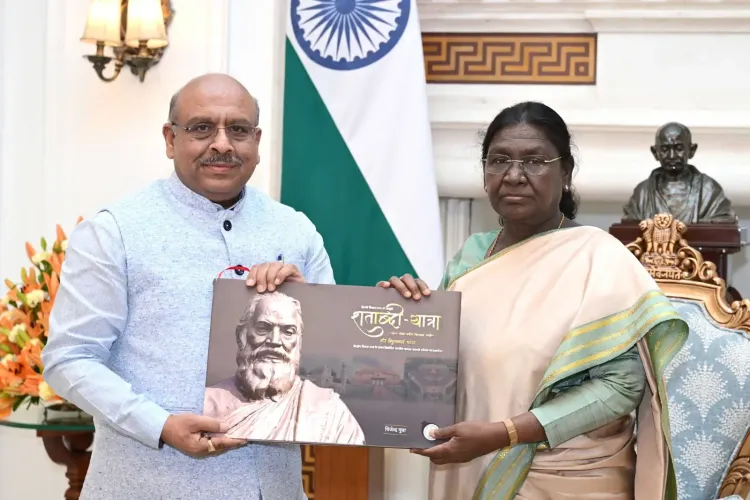
New Delhi, March 30 (NationPress) On Monday, the Speaker of the Delhi Assembly, Vijender Gupta, met with President Droupadi Murmu to commemorate the anniversary of the pivotal March 30, 1919, Rowlatt Satyagraha incident that took place in Chandni Chowk, Old Delhi.
During their discussion, Gupta highlighted the courageous actions of freedom fighters from the Capital who stood against the Rowlatt Act, a law permitting the arrest of any Indian without a warrant and allowing for detention without trial for a period of up to two years.
He elaborated on the historical importance of this day, recalling that it was on March 30, 1919, that Swami Shraddhanand spearheaded a brave non-violent demonstration against the oppressive Rowlatt Act in Chandni Chowk, Delhi.
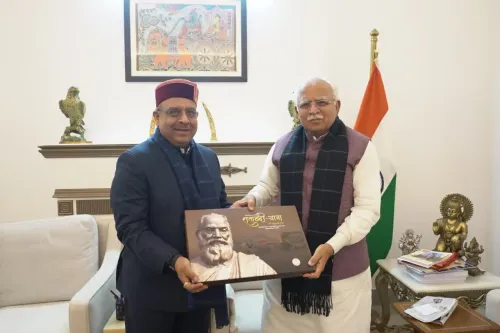
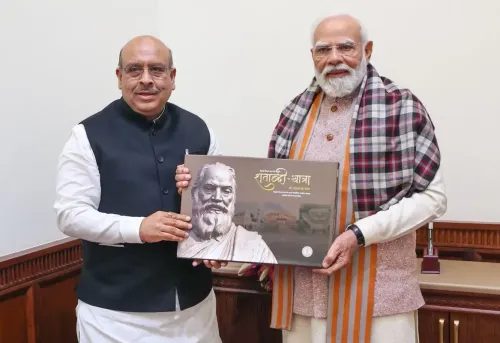
The Speaker also gifted the President a Coffee Table Book titled 'Shatabdi Yatra, Vir Vithalbhai Patel', published by the Delhi Assembly Secretariat, as per an official announcement.
The President remarked, “We must keep the flame of remembrance burning bright. The sacrifices of our martyrs fuel this flame, and we must ensure it never flickers.”
She added, “It is crucial for today’s youth to understand the significant cost of our freedom. This history should remain alive in their hearts and minds as a perpetual inspiration.”
Speaking to the aspirations of the young generation, the President stated, “In today's competitive landscape, being career-focused is admirable. Whether you aim to be a doctor, lawyer, educator, or scientist, I wish you the best. However, I implore you to always prioritize the Nation.”
“Regardless of your paths, never let the spirit of patriotism and the memory of our martyrs fade from your hearts,” she said, extending her condolences to those who lost their lives in the 1919 Delhi massacre.
The President praised the Assembly’s initiative to document this crucial history, asserting that such records play a vital role in keeping the spirit of liberty alive.
She reviewed the historical narratives surrounding the 1919 incident, acknowledging its importance in India’s quest for independence.
Gupta also informed the President about a significant event in India’s freedom struggle that unfolded after the enactment of the repressive Rowlatt Act, within the very confines of the current Delhi Legislative Assembly, then known as the Central Legislative Assembly.
He noted that the day was significant as it witnessed the presence of the Father of the Nation, Mahatma Gandhi, in the visitors’ Gallery.
Gupta’s meeting with the President served to honor the sacrifices made during one of the earliest and most defining moments of mass resistance in Delhi.
Frequently Asked Questions
What is the significance of March 30, 1919?
March 30, 1919, marks the anniversary of the Rowlatt Satyagraha, a non-violent protest led by Swami Shraddhanand against the oppressive Rowlatt Act, which allowed for the arrest and detention of Indians without trial.
Who was Swami Shraddhanand?
Swami Shraddhanand was a prominent Indian freedom fighter and social reformer known for his role in the Rowlatt Satyagraha and his efforts to promote education and social equality.
What was the Rowlatt Act?
The Rowlatt Act was a law enacted by the British colonial government in 1919 that allowed for the arrest of Indians without a warrant and permitted detention without trial for up to two years.
Why is it important to remember freedom fighters?
Remembering freedom fighters is crucial as their sacrifices shaped the nation’s history and serve as an inspiration for current and future generations to uphold the values of freedom and patriotism.
What message did President Murmu convey to the youth?
President Murmu emphasized the importance of understanding the sacrifices made for freedom and encouraged the youth to prioritize the nation while pursuing their careers.